What officials are discussing
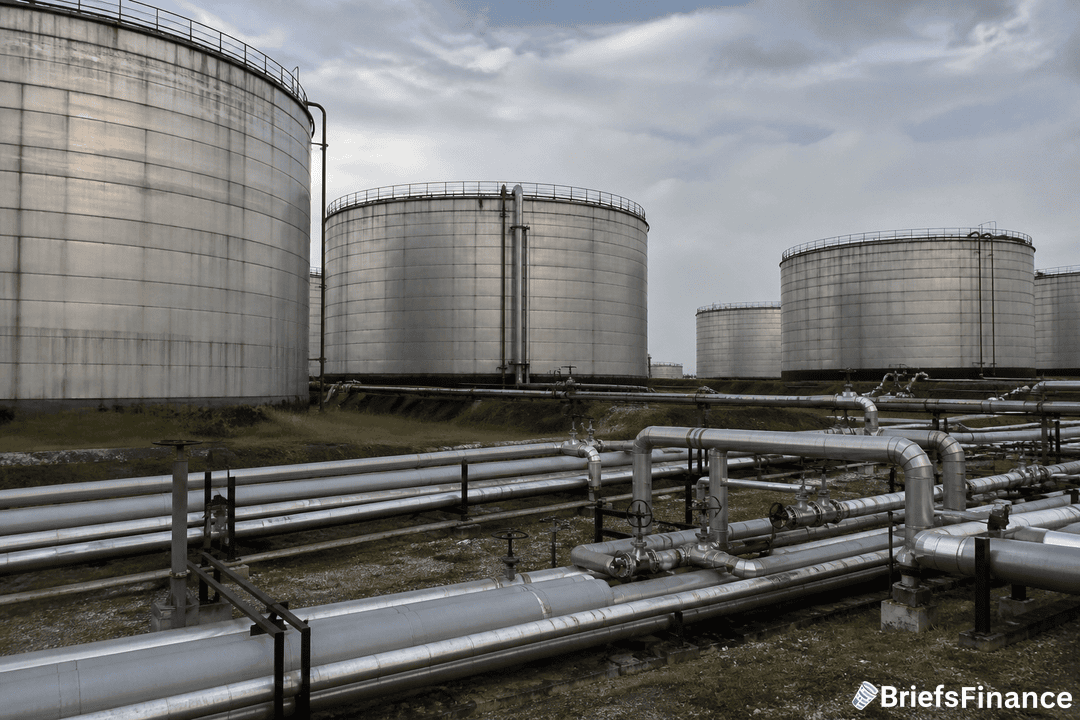
People familiar with the talks say the IEA is set to consider an emergency release of up to 100 million barrels drawn from diesel and crude inventories that G7 leaders committed to last week. The Governing Board intends to use Wednesday's meeting to figure out the mechanics and next steps. It is not known if any formal decisions will be taken. The board's routine quarterly gathering is scheduled for next week.
EU timing and coordination
On Wednesday morning, the European Union's Oil Coordination Group, which brings together the European Commission and member states, will meet to shape a common position on the potential diesel stock release. After the IEA wraps, the EU's Energy Union Task Force will pick up the topic at 4 p.m. Brussels time.
Coordinated reserve releases are one of the few tools that move oil quickly. Market Briefs covers energy policy free every morning.
Why this matters now
Following a G7 meeting on Friday, French President Emmanuel Macron said the IEA-coordinated release would roll out over the next four months, starting with diesel. That commitment helped cool worries tied to US President Donald Trump's threats to impose a diesel export ban, which had raised the risk of a global supply squeeze with potentially severe economic fallout for Europe and Latin America.
The stakes for your portfolio
Because diesel is essential to industry, farming, and transportation, supply disruptions tied to the wars in Iran and Ukraine have driven prices higher. That surge has also turned into a political liability for Trump in the run-up to November's US midterm elections. For everyday investors, the takeaway is simple: policy chatter that changes fuel flows can ripple quickly into freight costs, inflation readings, and the pace of economic activity where you live.
Whether it works depends entirely on the size and the timing. Get the free Market Briefs daily newsletter and follow the plan.