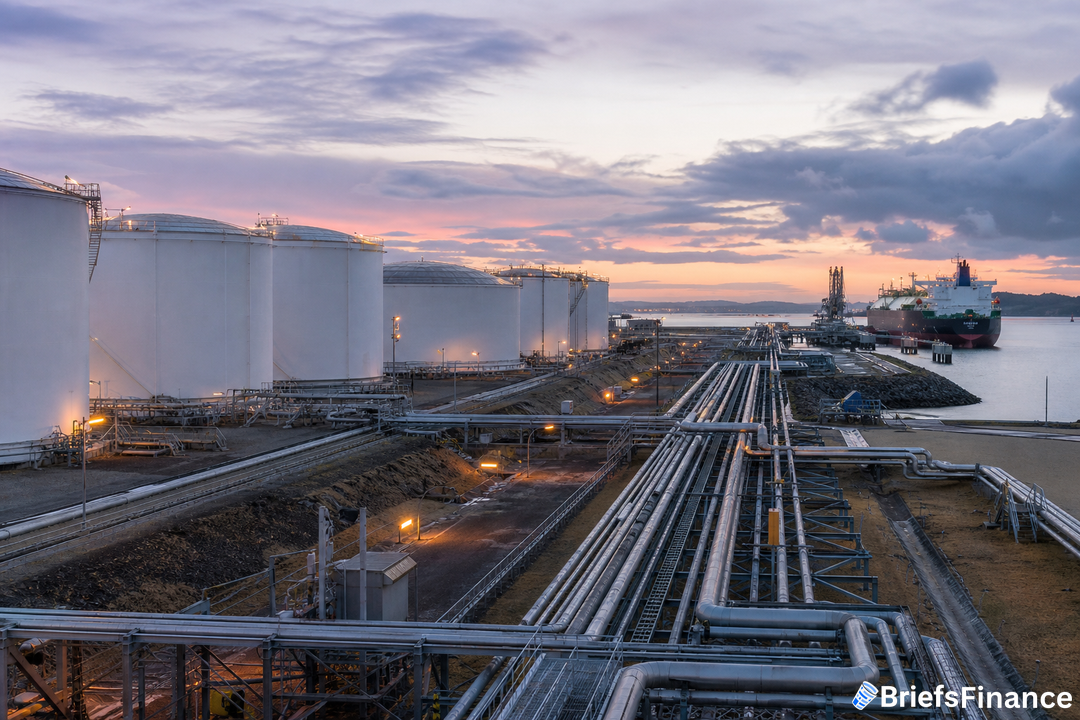
Why this is on Washington's front burner
Behind closed doors, U.S. officials are urging European counterparts to release portions of their oil and diesel reserves. People familiar with the talks say the message is straightforward: more European barrels in circulation would expand global supply and ease prices. That, in turn, could head off any potential U.S. prohibition on diesel exports that would otherwise squeeze countries heavily dependent on American fuel, including in Europe. One U.S. official framed cooperation as squarely in Europe's interest as the administration pursues multiple ways to boost fuel availability and ease the strain on consumers.
What leaders are saying out loud
On Thursday, when pressed on whether Washington might urge European countries to draw from their diesel reserves, President Donald Trump replied, "We may do that. They have some diesel, but the prices are coming down." After a G20 Trade Ministerial, U.S. Trade Representative Jamieson Greer said there is "an eagerness on both sides to work together to get more diesel to the market," noting that "France, Germany and Italy - they're sitting on reserves," and that getting some of that fuel out is "part of that equation."
Inside the administration, patience has worn thin with Europe's pace on a previously coordinated oil-reserve release arranged earlier in the Iran conflict. On Tuesday, Energy Secretary Chris Wright stated that a number of European countries "have released only a fraction of the crude oil and petroleum products they pledged." A day earlier, he hinted at movement soon, pointing to possible "announcements from our friends in Europe about new diesel supplies that'll come to the market."
Treasury Secretary Scott Bessent publicly turned up the heat too: "Our European partners should accelerate delivery on their existing commitments and make additional supplies immediately available to address ongoing disruptions," he wrote on social media. "American farmers, truckers, and businesses should not be left carrying the burden of a global diesel shortage. America is doing its part. We look to our allies to match their commitments with action."
Even when headlines focus on energy, steady investing habitually builds wealth, so get the free Always Be Buying E-Book
Europe's position and the next checkpoint
Because Europe has been slower than the U.S. to draw down emergency reserves, significant stockpiles remain. Some governments, including Germany and Spain, had previously indicated they did not see a strong case to release more barrels. After the U.S. approached some capitals directly, the EU has polled member states on their stances regarding emergency diesel holdings.
The bloc's Energy Union Task Force, which brings together the European Commission and national representatives, is set to convene Friday at 8:30 am in Brussels to review the situation. A person familiar with U.S. thinking said that a fresh diesel release now would be viewed in Washington as helping the EU deliver on its earlier pledges.
What this could mean for your wallet
Sticker shock at the pump is real: since the Iran war began, retail diesel is up 70%, averaging $6.39 a gallon as of Wednesday, and the surge has turned into a major campaign-season issue. Farm-state Republicans are calling for an export ban to safeguard domestic supplies, though oil executives and analysts warn that curbing shipments abroad might only bring fleeting relief before prices for diesel and gasoline snap back. Trump signaled Wednesday that his enthusiasm for an export ban has waned, though he said the idea is still under consideration.
If Europe opens the taps, added supply could take some heat out of prices and lessen the risk of disruptive policy moves. If not, the fuel story stays loud, and your logistics costs might keep feeling it.
No matter what the news says, consistent contributions grow over time, and our free Always Be Buying E-Book can help