What happened
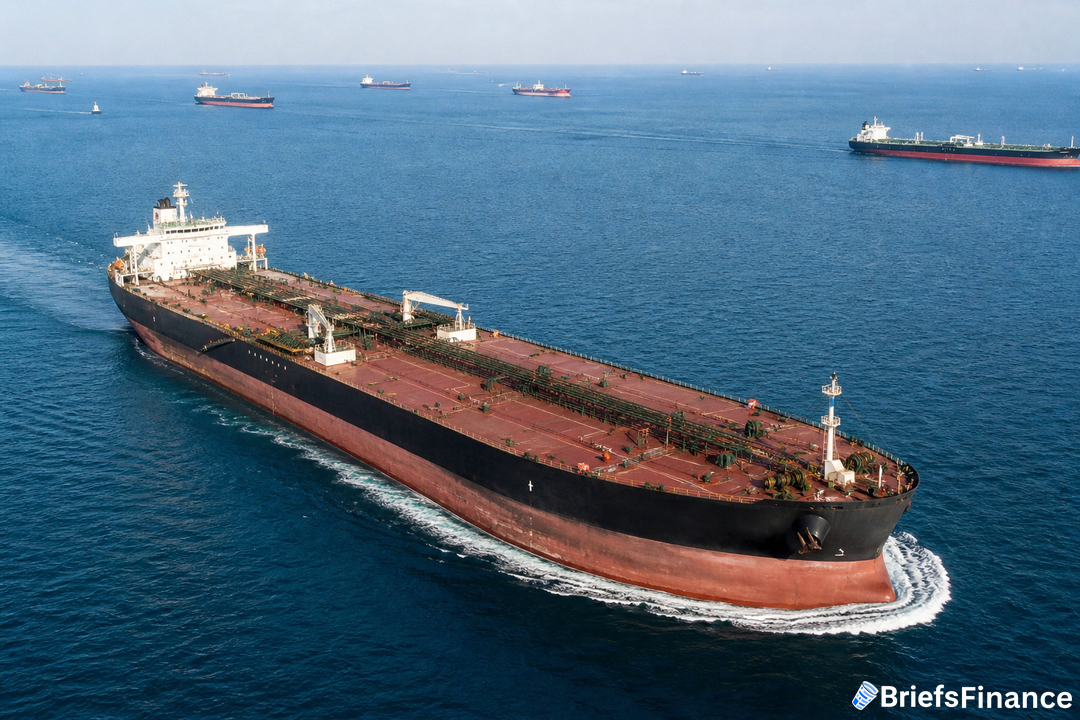
According to traders who requested anonymity, Saudi sellers have arranged nearly 100 million barrels of crude for buyers in Asia from mid-last week, with the cargoes scheduled to arrive in October and November and traveling via the Strait of Hormuz while the line that carries crude to the Red Sea remains not fully operational following the Sept. 10 attack.
Who is buying and how the market is shifting
The traders said the purchasing list includes state and private refiners in China as well as plants in India, Japan, and South Korea. The burst of sales equals roughly a single day of global demand, and it more than doubles recent Saudi flows to Asia through Hormuz. Satellite tracking shows that loadings originating inside the Persian Gulf increased over the weekend. In Asia, Chinese and Indian refiners have been weighing cuts to run rates as prices climb.
Why sellers are taking on shipping
With the pipeline disruption, Saudi Arabia is routing more barrels through Hormuz. Traders say Aramco has offered to take on logistics and ship crude directly to customers in Asia. Aramco declined to comment. In the US-Iran war era, the burden of moving oil has tilted from buyers to sellers: what was typically sold FOB is now often offered with producers assuming more shipping risk as refiners hesitate to send their own tankers due to attack threats.
When global flows shift, steady investors focus on protecting and growing their savings. Join Briefs Finance CEO Jaspreet Singh on September 29th for a FREE live investor workshop, How to Profit From A Dollar That's Losing its Value, where he shows how we're spotting investment opportunities as the dollar falls. Save your spot.
The broader flow picture and what it means for your wallet
Sanctions and risks are reshaping who buys what: Iranian exports have dried up under a US blockade, and many buyers are steering clear of Russian barrels amid rising political risk. That has tightened competition for African and Latin American grades. For sellers without in-house shipping, like Iraq's SOMO, traders and intermediaries have stepped in. Among those moving Gulf barrels: TotalEnergies SE, Vitol Group, Trafigura Group and Abu Dhabi National Oil Co. Translation for your budget: when supply routes reroute and sellers take on transport, pricing and availability can get choppy where you fill up or heat your home, especially as those October and November cargoes hit.
Mindful planning helps your money stay resilient through whatever the world brings. Our CEO Jaspreet Singh is hosting a FREE live investor workshop, How to Profit From A Dollar That's Losing its Value, on September 29th. Sign up free to join him live.