What Goldman is warning about
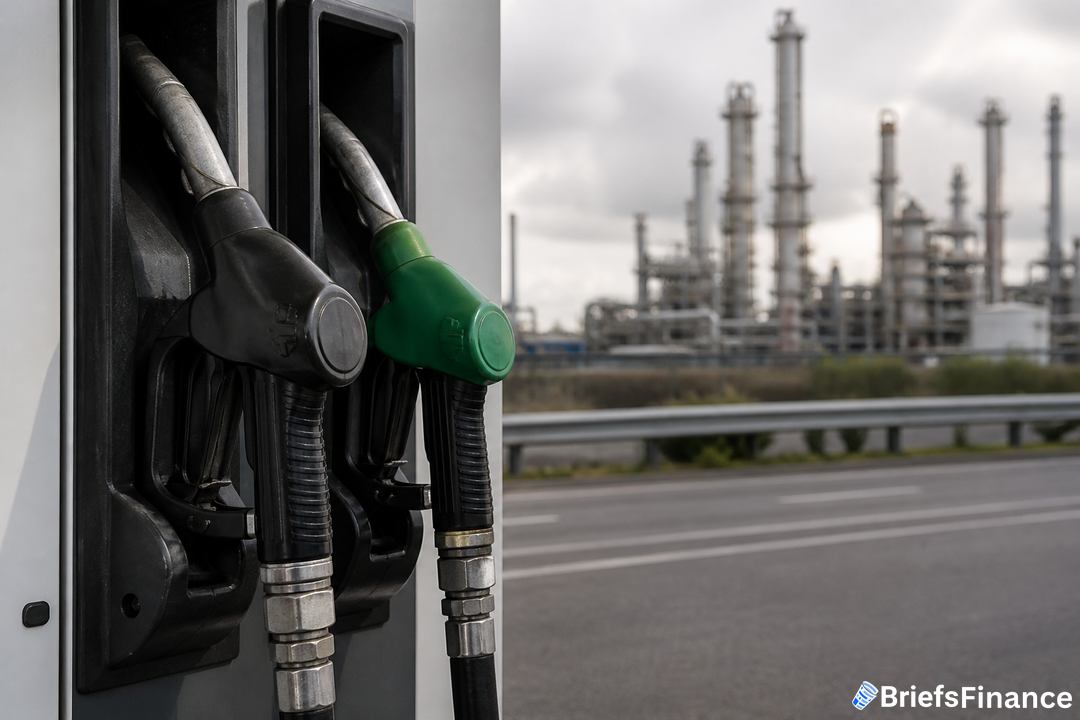
The quick take from Goldman's co-head of global commodities research: cutting diesel exports would stuff US tanks and knock diesel prices lower at home. That drop would give refiners less reason to run hard, and since plants turn out gasoline and diesel as a pair with only limited wiggle room, gasoline supply would likely tighten. Struyven added that the result would be higher prices at the pump even as diesel gets cheaper domestically.
The policy fight inside Washington
On Wednesday, Struyven spoke following President Donald Trump's move the previous day to endorse curbs on diesel exports aimed at tamping down a record-setting price spike. Trump said there is no tie to the war in Iran, even as Republican lawmakers press for relief ahead of the Nov. 3 midterms, and told reporters, "I've said, 'let's not send out the diesel.'" The idea has split senior officials: Interior Secretary Doug Burgum and Energy Secretary Chris Wright, a former energy industry executive, have argued against a ban, stressing a focus on growing supply rather than cutting foreign sales. Struyven said Treasury Secretary Scott Bessent's willingness to review the option "seems appropriate."
Details that could make or break it
"These are pretty complicated policies," Struyven said, pointing to the nuts and bolts that would shape outcomes: whether restrictions hit multiple products, whether it is a ban or a quota, how long it lasts, and if it comes with incentives that keep refiners producing. With politics and prices both in play, the design would determine how much fuel actually shows up and who pays.
Prices and ripple effects
Diesel futures have come under pressure as speculation builds over an export curb. At the pump, diesel averaged $6.52 a gallon on Tuesday. From Feb. 27 - the day before the Iran war - to now, diesel has risen 74%, beating the 50% increase in US retail gasoline.
When supply questions arise, steady investors revisit plans to protect and grow savings. Join Briefs Finance CEO Jaspreet Singh on September 29th for a FREE live investor workshop, How to Profit From A Dollar That's Losing its Value, where he shows how we're spotting investment opportunities as the dollar falls. Save your spot.
Since diesel fuels freight trains and commercial trucking, the expenses tied to it spread throughout the larger economy. If policy shifts change the balance between diesel and gasoline, it could show up in what you pay to drive and in the price of goods that need to be shipped.
A calm approach to your portfolio helps preserve purchasing power and seize opportunities. Our CEO Jaspreet Singh is hosting a FREE live investor workshop, How to Profit From A Dollar That's Losing its Value, on September 29th. Sign up free to join him live.