What the UN announced
UN Secretary-General Antonio Guterres on Wednesday rolled out a plan to help six nations in Africa and Asia turn mineral wealth into more domestic value, not just exports. The initial group includes Indonesia, Zambia, Guinea, Zimbabwe, Madagascar and Nigeria, with UN agencies set to coordinate support in each. The Country Support Mechanism on Critical Energy Transition Minerals stems from a panel Guterres set up two years ago to promote more local processing. Oversight will fall to the UN Development Programme together with the UN Development Coordination Office.
Why this matters now
As renewables scale up and EV sales climb, the world's appetite for key materials like copper, cobalt and lithium is jumping. Selwin Hart, Guterres' special adviser and UN assistant secretary-general for climate action, cautioned that "we run the risk of repeating the mistakes of the past, where these countries are trapped at the bottom of global value chains." Without a shift, he said, they would remain "mere exporters of raw materials, while others benefit enormously from their mineral wealth."
Hart said UN agencies will jointly provide "policy advice, legal and regulatory expertise, helping countries strengthen environmental and social safeguards." He added, "The system can also provide assistance with value chains."
How the six were picked and what they produce
Hart's office said the selection weighed things like government interest and commitment, how ready the UN system is to engage, the size and impact potential of mineral resources, prospects for funding, and whether lessons can be replicated elsewhere.
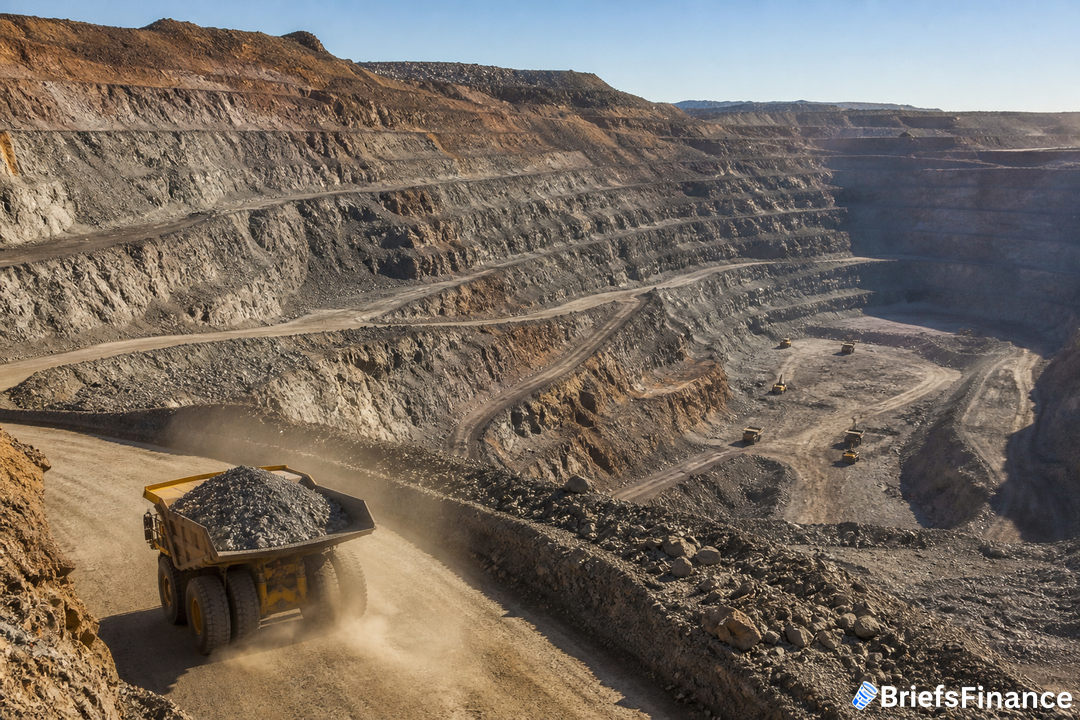
These countries sit on some of the most important deposits: Indonesia is the world's top nickel producer, Zambia is Africa's No. 2 copper producer, Zimbabwe supplies the most lithium on the continent for batteries, Guinea is the biggest bauxite producer and also holds undeveloped critical-mineral deposits, Madagascar holds deposits of cobalt, graphite and nickel, and Nigeria's mineral deposits remain largely untapped.
Steady investing habits help protect your savings and build wealth over time. Join Briefs Finance CEO Jaspreet Singh on September 29th for a FREE live investor workshop, How to Profit From A Dollar That's Losing its Value, where he shows how we're spotting investment opportunities as the dollar falls. Save your spot.
Some are already tightening policies to keep more value at home. Zimbabwe is pushing lithium miners to process locally, with a ban on exporting unprocessed ore set to take effect, and exports of tungsten and antimony are currently on hold.
What's next
Hart said the six were chosen from a list of 15 candidates that included the Democratic Republic of Congo, which leads the world in cobalt production. "The work that is already ongoing and taking place in these other countries will continue," he said. "There will be a more coordinated system of prioritized support to the six countries that have been identified."
If you track commodities or invest in resource-rich markets, this is one to watch. More local processing can shift where margins land in the supply chain, reshape export rules, and influence where infrastructure dollars get spent. For everyday investors, it could change which countries and companies capture more of the upside as the energy transition speeds up.
Keeping a clear plan for your money makes navigating change feel less risky. Our CEO Jaspreet Singh is hosting a FREE live investor workshop, How to Profit From A Dollar That's Losing its Value, on September 29th. Sign up free to join him live.