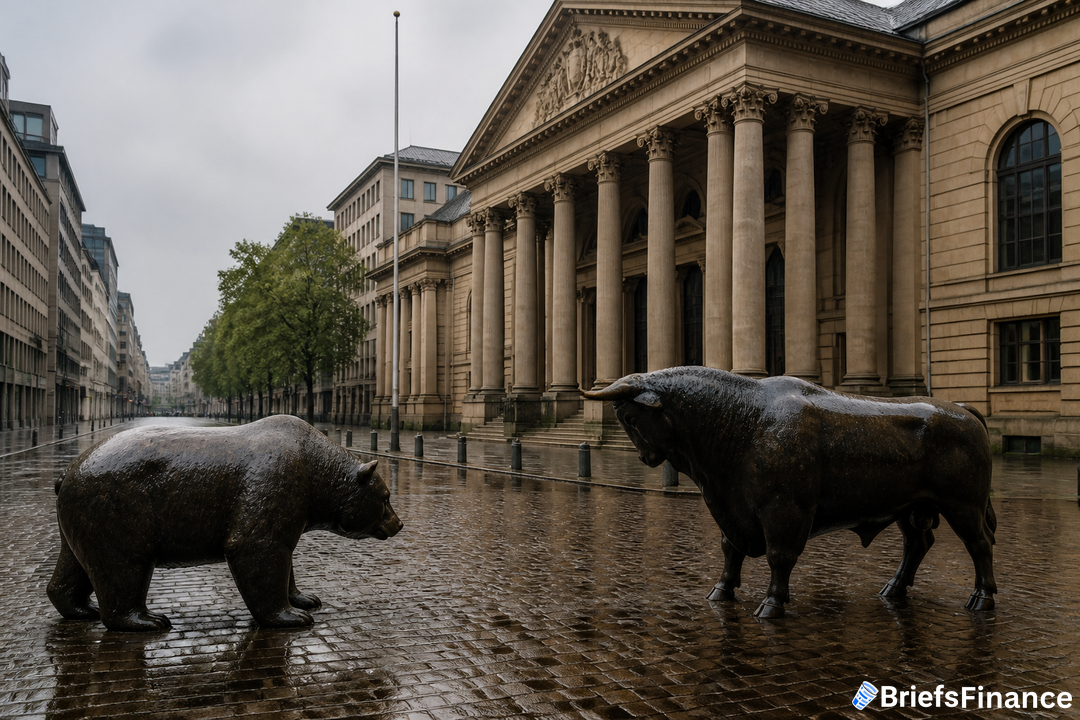
The decision and what markets will watch
The Swiss National Bank is heading into Thursday with markets looking for a steady hand on rates at zero. The spotlight will be on the inflation path the bank publishes and whether officials hint they are ready to step into the currency market again. One more cue to watch is whether policymakers bring back the intervention wording they used in June.
Swissquote senior economist Ipek Ozkardeskaya said, "If you have the luxury to be able to wait and see in the current situation, it's probably best to do so."
The SNB's stance stands out while the Federal Reserve and European Central Bank continue to tighten. Elsewhere, the Bank of Japan lifted rates again, the Bank of England has signaled a possible move in November, and Norway's Norges Bank could also raise borrowing costs on Thursday after dividing forecasters.
Why the franc matters for inflation
A weaker franc makes imports pricier, which can push up consumer prices. Recently, the currency hit its lowest in 17 months against the euro and fell to its weakest level versus the dollar since June last year. The shift appears to have unwound some of the safe haven buying linked to the conflict in the Middle East.
At home, the backdrop is still relatively calm. Inflation reached 0.8% in August, the quickest in nearly two years yet comfortably within the SNB's 0-2% range. The government last week kept its inflation projections at 0.6% for both this year and next, and the SNB's own forecasts often track that view. Switzerland has been less exposed to recent global price shocks, and electricity bills are even set to edge lower.
One potential twist is communication. Earlier this month, President Martin Schlegel did not use his usual line that medium-term inflation pressures were "virtually unchanged," and he also left out the reference to being ready to intervene in the franc "if necessary." Investors will be listening for whether those phrases return.
Debate on timing and tools
Most analysts do not expect the SNB to rush into tightening or to overhaul its medium-term inflation narrative. Still, markets are placing odds on a rate increase by March. "Since Martin Schlegel took the helm, officials have increased efforts to create a certain degree of transparency," said Brian Mandt, the chief economist at Luzerner Kantonalbank. He predicts a first hike in March. "That's why I expect that they will change their language."
Some forecasters are pulling forward their calls. Three of 19 now pencil in a move early next year, and BAK Economics Chief Economist Claude Maurer says a move could come as early as December. He describes a "window of opportunity" to rebuild room to ease later, helped by a softer currency that supports Switzerland's export-focused economy.
When headlines change, a steady plan helps protect and grow your money. Join Briefs Finance CEO Jaspreet Singh on September 29th for a FREE live investor workshop, How to Profit From A Dollar That's Losing its Value, where he shows how we're spotting investment opportunities as the dollar falls. Save your spot.
"When else would you hike?" he asked. Output excluding major sporting events jumped 1.5% in the second quarter.
Big picture, many economists still think rates will not change before 2028. That matches July signals from people familiar with internal talks, who said officials expected to keep the policy rate at zero until the close of 2027 unless a new shock emerged.
Intervention, balance-sheet talk and the human angle
If officials decide they need a stronger franc to contain imported inflation, one option would be to sell foreign-currency holdings, a playbook they used during the 2023 price spike. Some commentators want the SNB to use today's weaker currency to shrink its outsized balance sheet anyway. So far, the bank has gone the other direction, purchasing 3.9 billion francs of foreign exchange this year to limit inflows. Data on second-quarter transactions are due later this month.
Thursday's decision also marks a leadership milestone. This meeting is the last assembled under veteran Chief Economist Carlos Lenz; for more than ten years he has headed the SNB's economic affairs division. Martin Brown, who runs the central bank's academic research institute, takes over in October.
For your wallet, the moving parts to watch are simple: any tweak to the SNB's intervention language, a shift in inflation projections, and how the franc reacts. Changes there can ripple into import prices and, over time, the everyday costs you see.
Keeping a clear strategy for your savings is the best way to stay prepared. Our CEO Jaspreet Singh is hosting a FREE live investor workshop, How to Profit From A Dollar That's Losing its Value, on September 29th. Sign up free to join him live.