What Riyadh wants and where London stands
Andy Burnham is weighing how far the UK should go in helping Saudi Arabia push back against Houthi militants operating from Yemen. People familiar with the talks say Riyadh asked for diplomatic help and military backing, including operational assistance aimed at stopping the Iran-backed militants from advancing up Yemen's Red Sea shoreline toward the Bab el-Mandeb Strait. The Saudis also asked for assistance defending their oil infrastructure from strikes.
It is not yet clear whether Burnham will approve those requests, which the UK government has not made public. A UK spokesperson said Britain intends to collaborate with allies to bolster regional stability and refused to provide details. The Saudi government didn't answer a request for comment.
What the UK is doing now, and who else is being asked
People familiar with the move say Burnham has signed off on sending a team of British advisers from the military to Saudi Arabia to bolster its operations. On Saturday, Foreign Secretary Ed Miliband held a phone call with Saudi Foreign Minister Faisal bin Farhan about the Houthi attacks. "I made clear that the UK stands firmly with Saudi Arabia and the internationally recognized Government of Yemen," Miliband said on X.
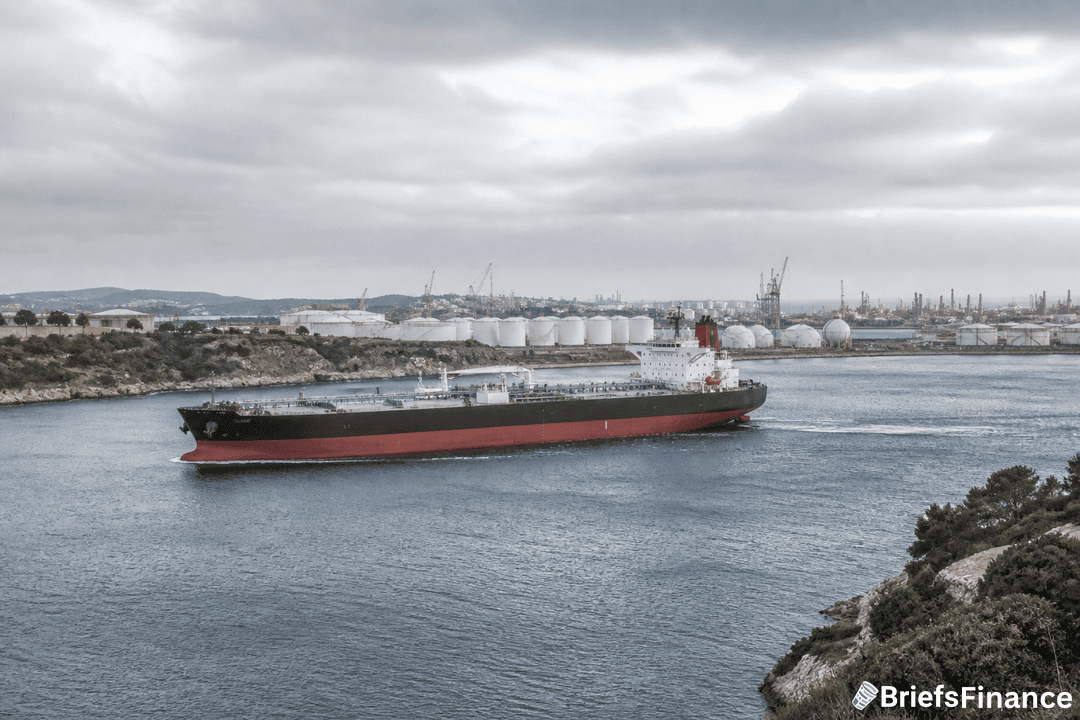
British officials have warned Burnham that a Houthi seizure of the Bab el-Mandeb Strait would have a "catastrophic" impact on international shipping and deliver another blow to the global economy through a further increase in oil prices and inflation. Officials warn the East-West pipeline might take as much as six weeks to come back online, calling it Saudi Arabia's most crucial bypass since the Iran war choked off most exports through the Strait of Hormuz.
Saudi Arabia is seeking help elsewhere too. Axios reported that Crown Prince Mohammed bin Salman called Donald Trump last week urging strikes against the Houthis, and to date Washington has avoided direct involvement in the fighting, aside from dispatching military advisers.
Geopolitical uncertainty reminds us that steady planning helps protect and grow your savings. Join Briefs Finance CEO Jaspreet Singh on September 29th for a FREE live investor workshop, How to Profit From A Dollar That's Losing its Value, where he shows how we're spotting investment opportunities as the dollar falls. Save your spot.
Oil shock, rates jitters and the Oct. 28 budget clock
Houthi gains in recent days, and Saudi Arabia's halt of its East-West pipeline following attacks, have pushed Brent toward $110 as worries grow that a key route used as a workaround to the Strait of Hormuz at the time of the US-Iran war could face renewed pressure. Gilts fell further on Monday as money markets increased wagers on tighter policy amid inflation worries. Traders now fully price five quarter-point Bank of England hikes by the end of 2027, which would make it far tougher for Burnham to fulfill his pledge to lower the cost of living.
The timing is awkward for the Treasury. The Office for Budget Responsibility is preparing the Oct. 28 budget's economic and fiscal projections, and Chancellor John Healey had hoped inflation pressures lifting borrowing costs would ease during the OBR's window. Instead, markets are moving the wrong way, potentially leaving him with even less headroom under his fiscal rules.
The backdrop and what it means for your money
This is one of Burnham's first big foreign policy and economic tests since taking office in July. The UK is set on avoiding another Middle East entanglement, especially after it declined to back President Donald Trump's war on Iran. There is recent precedent for action: in 2024, when Rishi Sunak was prime minister, the British armed forces carried out strikes on Houthi sites in Yemen after the group launched attacks in the Red Sea, and Labour's then opposition leader Keir Starmer backed those strikes. After becoming premier, Starmer subsequently sent military hardware to Saudi Arabia, and in March the UK's Sky Sabre air-defense system was set up there, comprising radars, a control center and missile launchers.
For your wallet, the through-line is straightforward. If the Bab el-Mandeb chokepoint is threatened and Saudi's main workaround stays offline for weeks, fuel costs and inflation can stick higher, and markets may keep leaning toward pricier money. That filters into what you pay at the pump and the rate on your mortgage or savings this year.
Keeping a clear investment plan makes it easier to guard and build wealth. Our CEO Jaspreet Singh is hosting a FREE live investor workshop, How to Profit From A Dollar That's Losing its Value, on September 29th. Sign up free to join him live.