What Iran and Oman are lining up
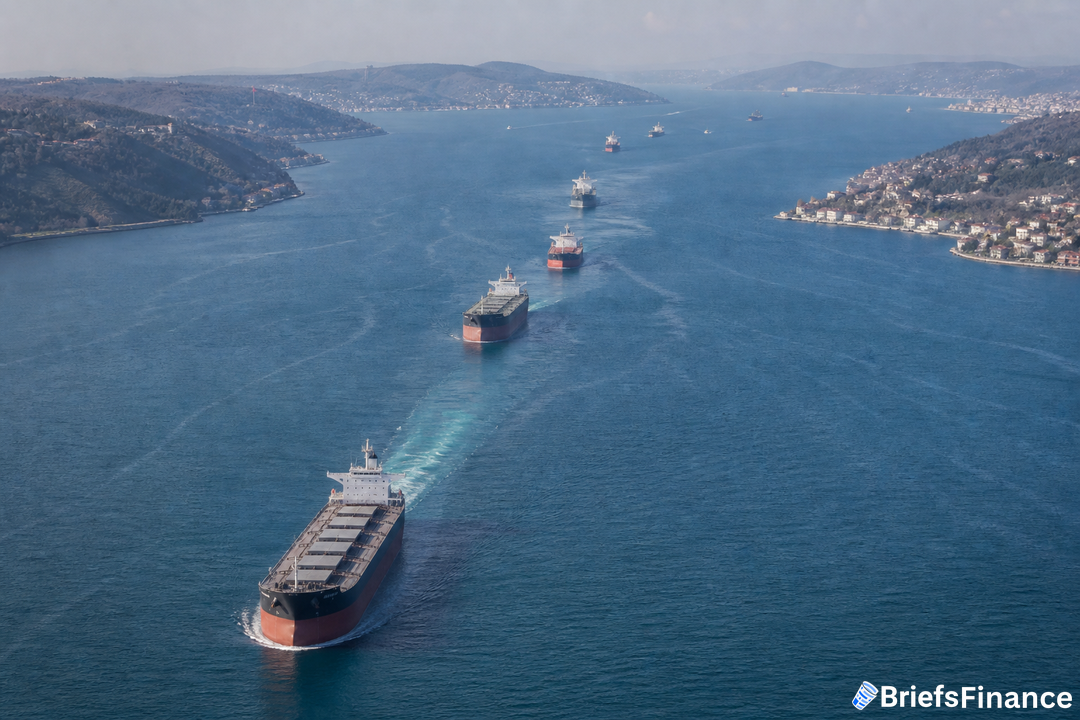
Iran says weeks of talks with Oman are nearing the finish line on a plan to manage traffic through the Strait of Hormuz, the narrow passage that carries a big slice of the world's energy. Foreign Ministry spokesman Esmail Baghaei told reporters in Tehran on Monday the arrangement is in its final stage, called it an "understanding," and said it will include a temporary safe route through the strait. He said the document will be recorded with the International Maritime Organization, and added he hoped there would be no interference from unnamed third parties.
Iran and Oman, the two countries bordering the waterway, have been working to formalize control and are likely to seek service fees. Washington has been enforcing a blockade on Iranian ports to stop oil shipments from the Islamic Republic, and it seeks a return to the waterway's pre-war, open-access status.
Markets and oil flows
Oil's early rally eased on optimism that a Hormuz framework could help more ships move through and reduce the risk of strikes on commercial vessels from Tehran. Around 12 p.m. in London, Brent was near $97 a barrel after an earlier print of $97.93.
On Monday, analysts at Macquarie reported, based on discussions with clients, that roughly 7 million barrels per day of crude and refined products are transiting Hormuz. By contrast, before the war the flow was about 20 million barrels a day. They added that a narrow group of shipowners is still willing to sail the route for the right price, keeping significant volumes flowing.
Rates, prices and policy all end up in your budget eventually. Get the free Market Briefs daily newsletter and see it coming.
Flashpoints around the strait
Word of the pending Iran-Oman arrangement followed Iranian statements over the weekend that it hit three ships using an unauthorized route and separately targeted three vessels linked to the US. Bloomberg was unable to verify the assertions right away, and participants in the transits said they saw no signs of significant incidents from Iranian attacks in recent days.
Earlier, the US military reported hitting three Iranian crude tankers - destroying one - after the Islamic Revolutionary Guard Corps fired ballistic missiles at two US Navy warships. Separately, Saudi Aramco's Jazan facilities on the Red Sea were struck, and an evaluation of the damage is underway, the Financial Times said, citing people familiar. In earlier incidents, storage tanks there were attacked by Yemen's Houthi militants backed by Iran.
The broader backdrop for energy prices
Following strikes by the US and Israel at the end of February, Iran essentially shut the strait. Diplomatic efforts have stalled, leaving an uneasy stalemate with occasional tit-for-tat strikes. Seven months in, the war has pushed up prices for oil, fuels and natural gas and threatened to stoke global inflation. In the US, retail diesel has hit a record, and President Donald Trump's administration is under pressure to end the conflict, a dynamic that has put Republicans at risk of surrendering their majority in Congress during November's midterm elections.
For your wallet, the bottom line is simple: a managed lane could help, but with potential fees, ongoing military risks and tighter flows, energy and fuel prices will likely keep reacting quickly to any shift in the Strait of Hormuz story.