A New Kind of Futures Contract
AI needs more than clever code. It needs raw computing power, and that power is about to trade like a commodity.
A futures contract is a bet on the future price of something. You can trade futures on corn, oil, gold, even stock indexes.
Now the market wants to add computing capacity to that list.
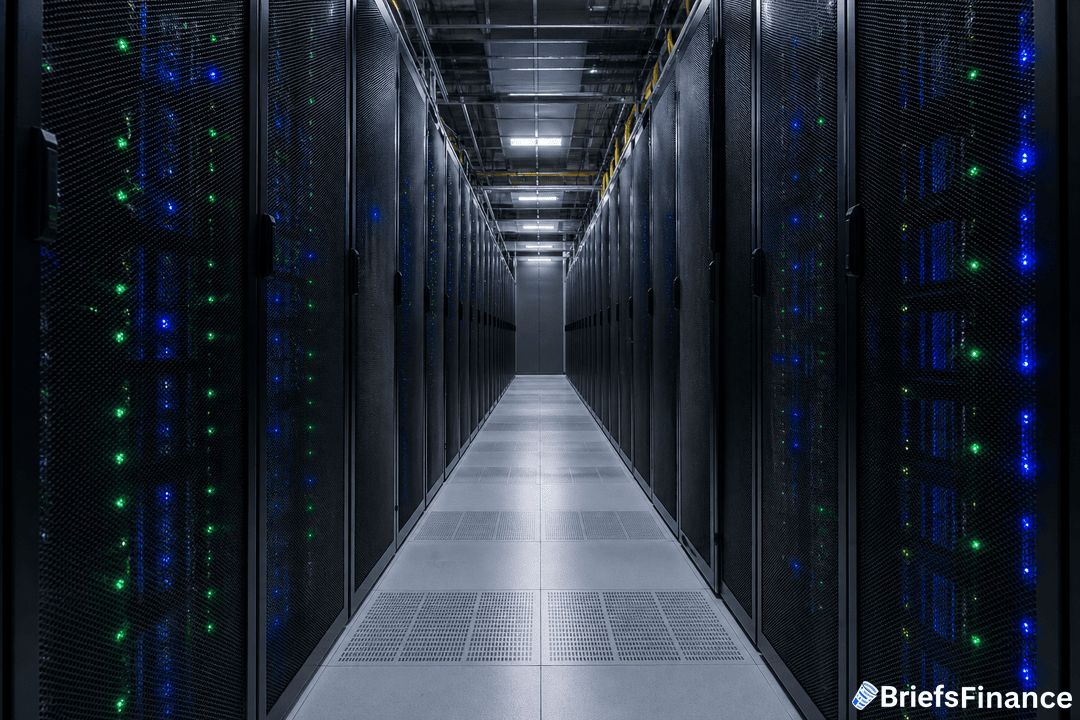
The Commodity Futures Trading Commission, the agency that oversees these markets, is inviting the public to weigh in on contracts tied to computing capacity. That is the raw computing muscle AI developers need to train and run their models.
Think of it as the engine room behind every AI chatbot and data model. Without enough computing power, nothing runs, which is why companies are spending billions on data centers and specialized chips.
That demand has made computing capacity worth trading.
Once the Office of Management and Budget finishes its look, the CFTC typically opens a 30- or 60-day public comment period.
Feedback from that period could end up in new agency policies or rules.
The money story behind the headlines is usually the part that matters. Join Market Briefs free and get it every morning.
That step could slow down exchanges that want to start trading these contracts soon.
Who Wants to Trade Computing Power
Three exchanges have their eyes on this market: CME Group, Intercontinental Exchange, and Architect Financial Technologies.
CME is the furthest along. Market-intelligence firm Silicon Data will supply the index data those contracts are based on.
These contracts would work like other futures. A buyer agrees to pay a set price for a certain amount of computing capacity at a future date. That gives both sides a way to manage the risk of prices moving against them.
Architect already trades similar products in other countries, so it has a head start on experience.
This year the regulator has already asked for input on other topics, including extending trading hours for traditional commodity futures and managing conflicts of interest among brokers, exchanges, and clearing houses.
What This Means for Your Portfolio
Computing power is becoming a commodity in its own right, the way oil or wheat are. As more money piles into AI, the companies that supply the hardware and the electricity to run it become more important.
A futures market for computing capacity would give businesses a way to lock in prices, the same way an airline locks in fuel costs. That could smooth out some of the wild swings in AI infrastructure spending.
For everyday investors, the bigger picture is simpler. The fact that regulators are spending time on this tells you how serious the AI buildout has become.
A futures market adds another layer to that story, giving investors another way to see what computing power is really worth.
Futures markets help industries plan ahead, and computing power is the next one lining up for that tool.
The comment period gives the public a chance to weigh in before these products launch. If the timeline slips past CME's October target, that just means regulators are taking the time to get this right before anyone's money is on the line.
Understanding what moved a market beats knowing that it moved. Get the free Market Briefs daily newsletter and follow the drivers.