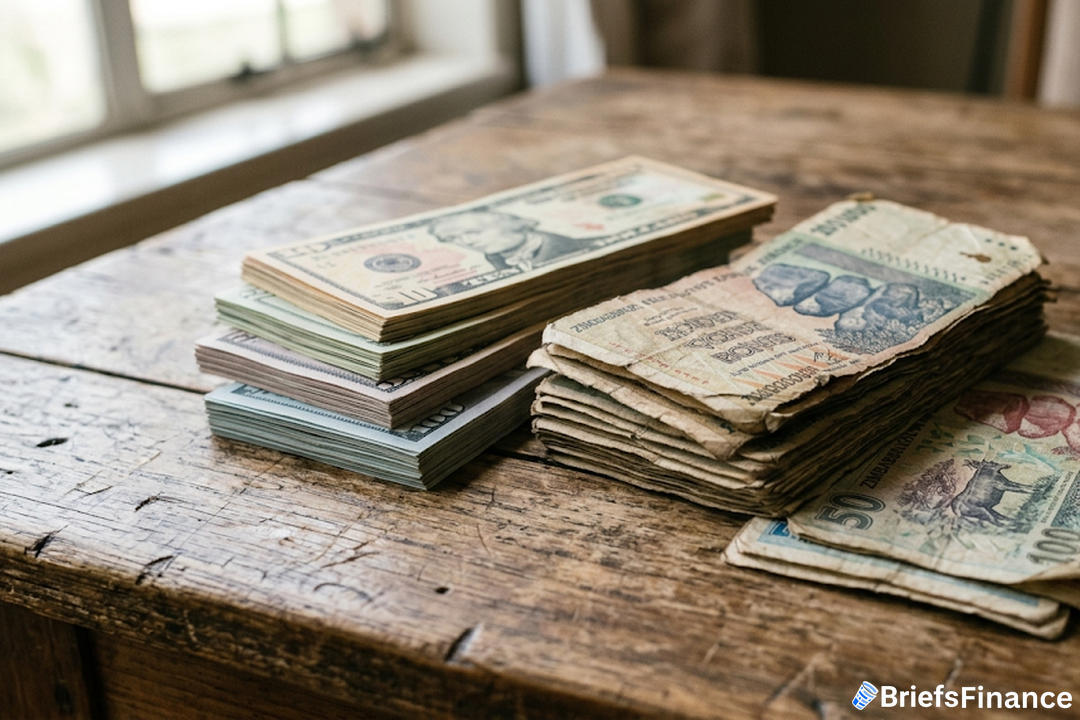
Why Zimbabwe Isn't Ditching the Dollar
Most countries eventually want their own money to be the only thing you use to pay for stuff. Zimbabwe does not, at least not yet.
On Wednesday, August 5, 2026, Finance Secretary George Guvamatanga told business leaders in Harare that the government will keep using the US dollar. The ZiG, the country's local currency, won't become the sole option until inflation and the exchange rate are stable.
"We are not rushing to a single currency until we have a stable exchange rate, stable inflation," he said.
That is a big deal for a country that has spent years trying to build a local currency that actually lasts. The ZiG, short for Zimbabwe Gold, arrived in April 2024 as the country's sixth attempt at a lasting currency.
It is backed by gold, and the original national target was for it to become the only currency by 2030. Guvamatanga's comments, made at a budget review meeting, put that timeline in doubt.
The government is not saying the 2030 goal is dead. It is saying the date matters less than the conditions.
The dollar has been part of everyday life in Zimbabwe, and this decision keeps it that way.
For a currency to last, people have to trust that it will still buy the same things tomorrow. Zimbabwe learned that trust is hard to win and easy to lose.
Get the free Always Be Buying eBook and learn the simple system for building wealth on any income
The Inflation History Behind All the Caution
Zimbabwe has seen what happens when a currency loses trust.
That is hyperinflation, which is when prices rise so fast that money becomes hard to trust. It is the reason the country is being careful this time.
Low inflation is a good sign, but Guvamatanga is not treating it as the finish line. He also wants a stable exchange rate and stronger reserves before the country goes all-in on the ZiG.
A stable exchange rate means the ZiG's value against the dollar is not jumping around. If the rate swings wildly, prices tend to follow, and people lose confidence.
That is what happened in past crises. To understand what needs to happen, think of foreign-currency reserves as the country's cash cushion.
Zimbabwe currently has enough to cover 1.6 months of imports. The government wants to build that up to two months.
A bigger cushion means the government can step in and defend the ZiG's value if the currency comes under pressure. Reserves give a government room to steady things when markets start to panic.
What It Means for Your Portfolio
For investors, the message from Harare is one of restraint. The government is saying it will not force the ZiG on anyone until the numbers give it room.
That lowers the odds of a sudden currency shock in the near term.
There is a cost, though. Every month the US dollar stays in use is a month Zimbabwe gives up control over its own interest rates and money supply.
It is the price of anchoring the economy to something stable, and given the inflation history, it is a price the government seems willing to pay.
Zimbabwe has chosen a slow, careful path. The dollar is staying, the ZiG is waiting, and the message for investors is that Zimbabwe is not going to repeat the currency mistakes of its past.
After a history of hyperinflation and failed currencies, "nothing sudden happens today" is about the best headline Zimbabwe can offer.
Download the free Always Be Buying eBook and start putting your money to work today