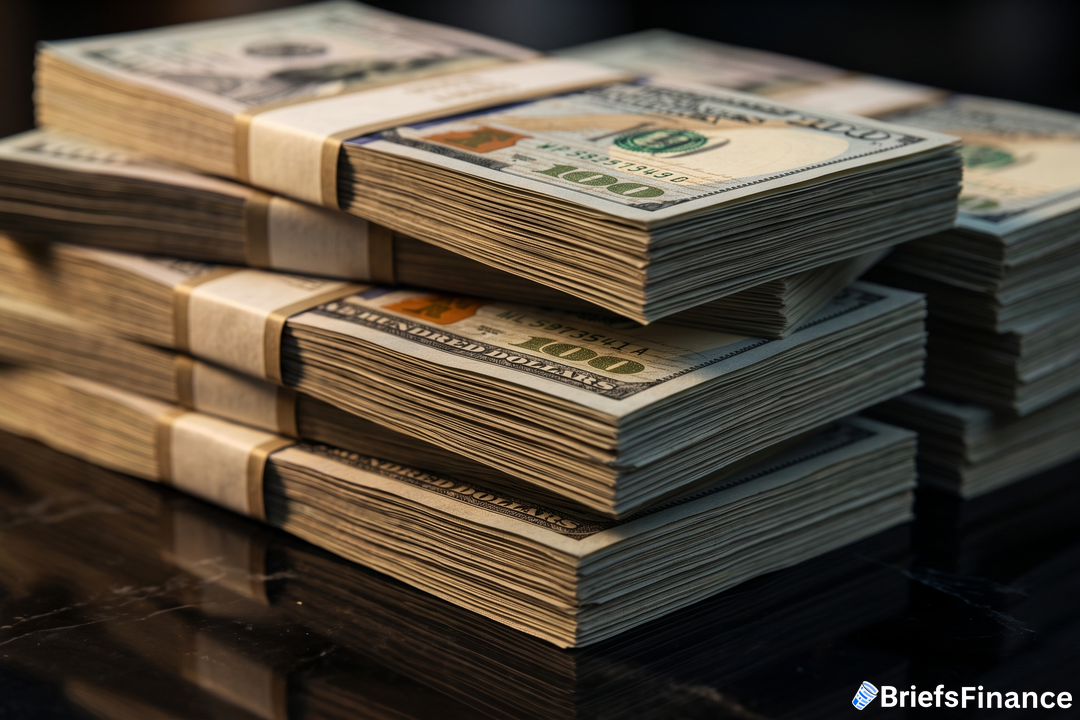
They think the dollar is too expensive and too popular.
The Dollar's June Surge
Speculative traders jumped in.
But some big banks disagree with the bullish view. Morgan Stanley said last week it is "reluctant to 'chase' the dollar higher." Credit Agricole's head of G-10 currency research, Valentin Marinov, says: "The dollar is looking overbought and overvalued." He adds: "The Fed may not be as hawkish as expected by the US rates markets." Hawkish means favoring higher interest rates.
Eurizon SLJ Capital, run by Stephen Jen and Joana Freire, also thinks the dollar could weaken. They wrote: "A dovish repricing of the Fed could help temper the dollar appreciation." Dovish means less aggressive on rate hikes.
The Fed and the Jobs Report
The rally started because traders thought the Federal Reserve would keep raising rates. New Chairman Kevin Warsh stressed his commitment to fighting inflation at a June 17 press conference. That pushed the dollar up.
Get your free investing masterclass bonus when you join Market Briefs, our free daily newsletter
But a US jobs report on July 2 changed things. Hiring slowed sharply. That made traders lower their bets on future rate hikes.
Before the Iran war began in late February, traders had even expected the Fed to cut rates in 2026.
Some banks still see more dollar strength. Samara Hammoud, strategist at Commonwealth Bank of Australia, says: "Expect US interest-rate differentials to move further in the dollar's favor as the US economy continues to outperform its peers." JPMorgan, Bank of America, and Goldman Sachs also argue for a stronger dollar.
But even some bulls see limits. Erik Nelson at Wells Fargo says there is a "very high bar" for more dollar gains. He means a Fed hike in July would be needed, and that is not certain. HSBC warns that a sharp dollar rise could become a "pain trade" for investors who bet against it.
TD Securities, led by Jayati Bharadwaj, sees the dollar falling later this year. They say: "As global growth stabilizes, risk premia fade, and central banks narrow rate differentials versus a Fed on hold, dollar downside should re-emerge later this year." Risk premia means extra returns investors demand for risky assets.
The dollar rally is like a rubber band stretched too far. Many analysts think it will snap back.
What to Watch
Traders now look to the Fed's next moves. If the Fed stays on hold and global growth stabilizes, the dollar could weaken. Japanese authorities may step in to support the yen if it keeps falling. The yen hit a 40-year low against the dollar this week.
For now, the dollar bulls and bears are in a tug-of-war. The next jobs report and the Fed's July meeting will decide who wins.
Subscribe to Market Briefs, our free daily newsletter, and claim your bonus investing masterclass