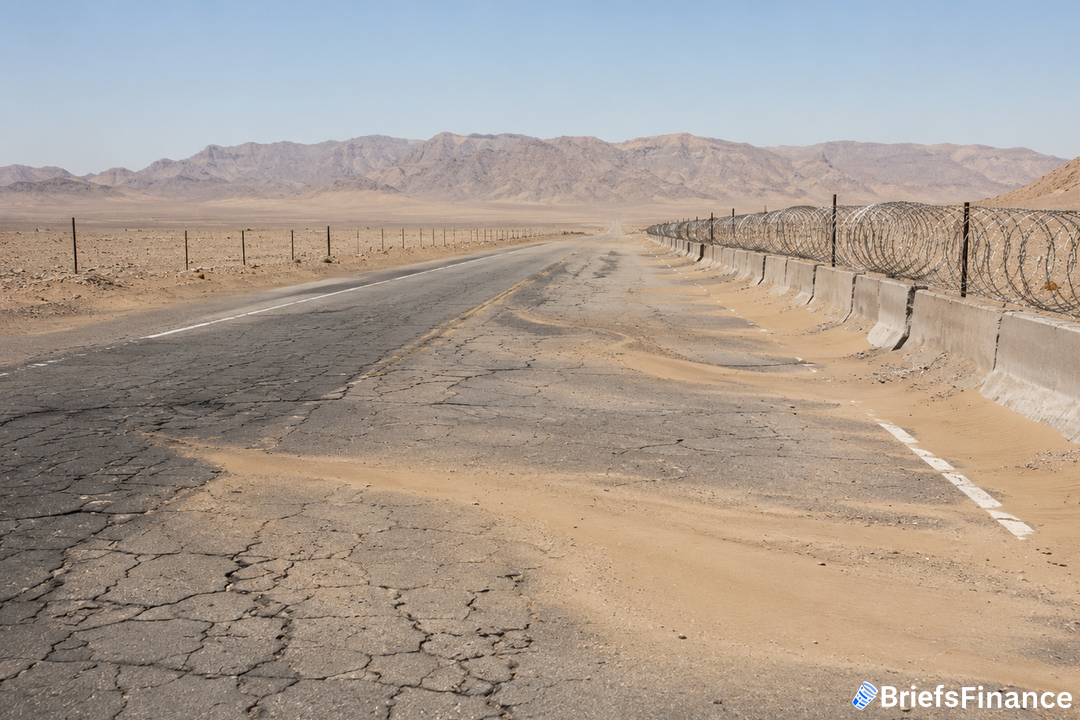
A War Without a Way Out
The fighting started in late February after a U.S.-brokered ceasefire with Iran fell apart. Five months later, there is still no agreement to stop it, and President Trump is growing visibly frustrated.
The human cost keeps climbing.
The prolonged conflict has exacted a heavy toll, with 18 U.S. soldiers dead, including four killed in the latest week. Despite 13 straight nights of airstrikes, Iran has not capitulated, and diplomatic efforts remain stalled. Analysts warn that both sides are prepared for a lengthy war, with no clear end in sight.
Trump has sent mixed signals. "We're locked and loaded and ready to go. But we're talking to them, so I think while we're talking, we'll see what comes of it," Trump said, adding he saw Iran "getting more and more serious as the days go by, for maybe the obvious reason." White House Press Secretary Karoline Leavitt was less diplomatic, warning that "Iran is paying in massive bombs, night after night, and they will continue to pay until they come to the table in, what President Trump deems, a meaningful way."
Get the market news that matters in a five-minute read with Market Briefs, our free daily newsletter
Carnegie Endowment for International Peace senior fellow Aaron David Miller was blunt: "If you ask me what is the way out of this, I will tell you, on July 23, I don't see one."
The Economic and Political Toll
Oil prices are already feeling the heat.
Trump briefly announced a 20% toll on shipping through the Strait of Hormuz, a key oil passage, but he withdrew it under pressure from Gulf allies.
The political picture is shifting, too. A Fox News survey indicated Democrats held a nine-point advantage on economic management. With midterm elections in November, the war is becoming a central campaign topic.
Trump, who has predicted he would face impeachment if Democrats retake the House, said at a Georgia rally that oil prices would fall "maybe lower than when we even started" but pleaded with voters to "just give me a little time."
The administration is weighing whether to launch bigger strikes or keep up the current bombing pace. Either way, analysts expect the fighting to continue for many more months. Michael Knights, research director at the advisory firm Horizon Engage, said both sides can sustain the conflict "for many months to come."
Michael Ratney, who served as U.S. ambassador to Saudi Arabia under President Biden, added: "I don't think Iran wants endless escalation. They can absorb a lot of pain, but it doesn't serve their interests to have so much infrastructure destroyed. That said, Iran does seem to believe that the Gulf and other US partners are more susceptible to pain than they are."
Join Market Briefs, our free daily newsletter, for a quick daily rundown of the markets