The Biggest Short Bet in Two Years
Something is stirring in currency markets, and it involves one of America's closest trading partners.
Hedge funds have placed more bets against the Canadian dollar than at any point in the last two years.
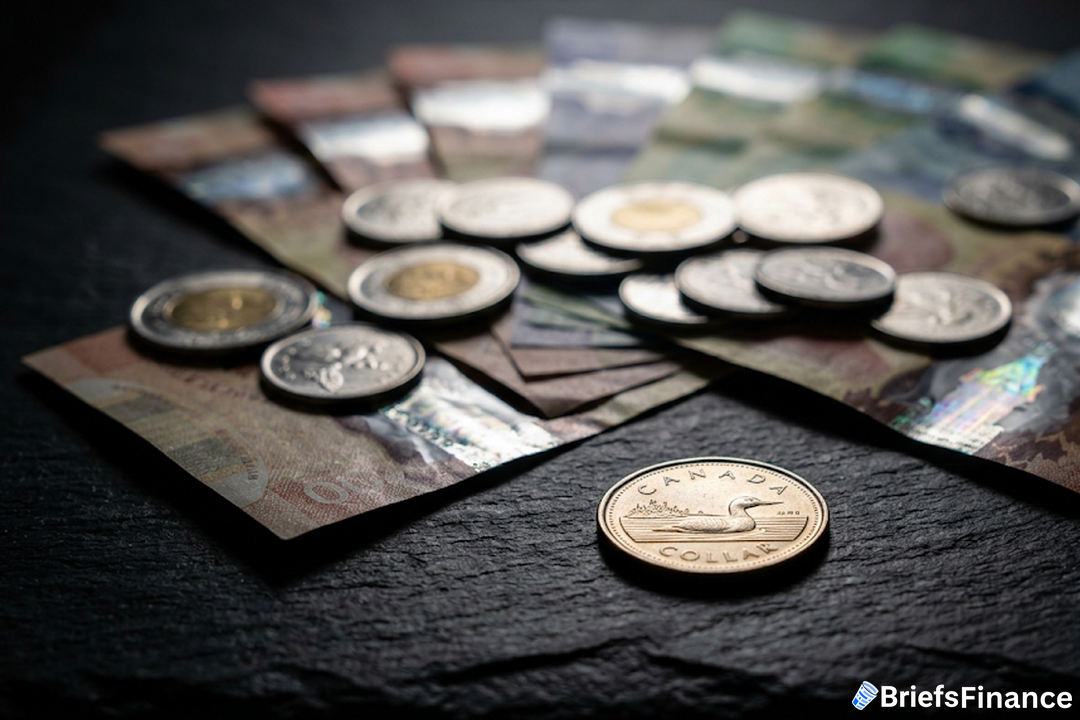
The Canadian dollar - popularly nicknamed the loonie - is already feeling the pressure.
Why the Loonie Is Taking Heat
The big driver here is trade tension - and it is getting personal between Washington and Ottawa.
Get the market news that matters in a five-minute read with Market Briefs, our free daily newsletter
The Trump administration said it would place a 50% tariff on certain Canadian products, marking a new escalation. US officials said the tariffs respond to what they call "unfair treatment of American alcohol, automobiles, and dairy."
On top of the tariff threat, the Canadian economy has been running slow. Add an interest-rate gap that favors the US - meaning US bonds pay more than Canadian ones - and you get a currency that looks like an easy target for short sellers.
The exchange rate now sits at about 1.41 Canadian dollars for one US dollar, up another 0.13% from where it was before.
The current bearish positioning extends a trend that has built over many months. The Canadian dollar has been gradually losing ground against its American counterpart as the Bank of Canada cut borrowing costs more aggressively than the Federal Reserve, while Canada's economic growth has lagged. The tariff escalation adds a fresh catalyst to a currency already under structural pressure from diverging monetary policies and weaker domestic demand.
The last time bearish bets on the loonie were this high was in August 2024, when the exchange rate hovered around 1.38. Since then, the currency has continued its decline, and the tariff dispute could accelerate that slide. The persistent interest-rate differential has made Canadian bonds less attractive to international investors, pulling capital away from the loonie and reinforcing the bearish outlook.
What the Bets Mean for the Broader Market
Traders are not just betting on a weaker loonie out of speculation; they are reacting to real economic headwinds. That interest-rate differential makes Canadian bonds less attractive to international investors, pulling capital away from the currency.
Meanwhile, the tariff dispute threatens key export sectors such as automotive manufacturing and dairy. If the 50% tariff goes into effect, it could further dampen Canadian exports and corporate earnings, reinforcing the bearish case for the loonie. The current short position - the largest in two years - suggests that many hedge funds see little reason for the currency to rebound in the near term.
With the exchange rate already at 1.41, further weakness could push it toward the 1.45 level, a threshold not seen since 2020.
Join Market Briefs, our free daily newsletter, for a quick daily rundown of the markets