Saudi Forces Hit Houthi Military Sites
Major General Turki Al-Malki, the coalition spokesperson, said the strikes were aimed at military equipment the Houthis used to threaten commercial ships. He called the earlier Houthi attacks on vessels a "reckless and cowardly act."
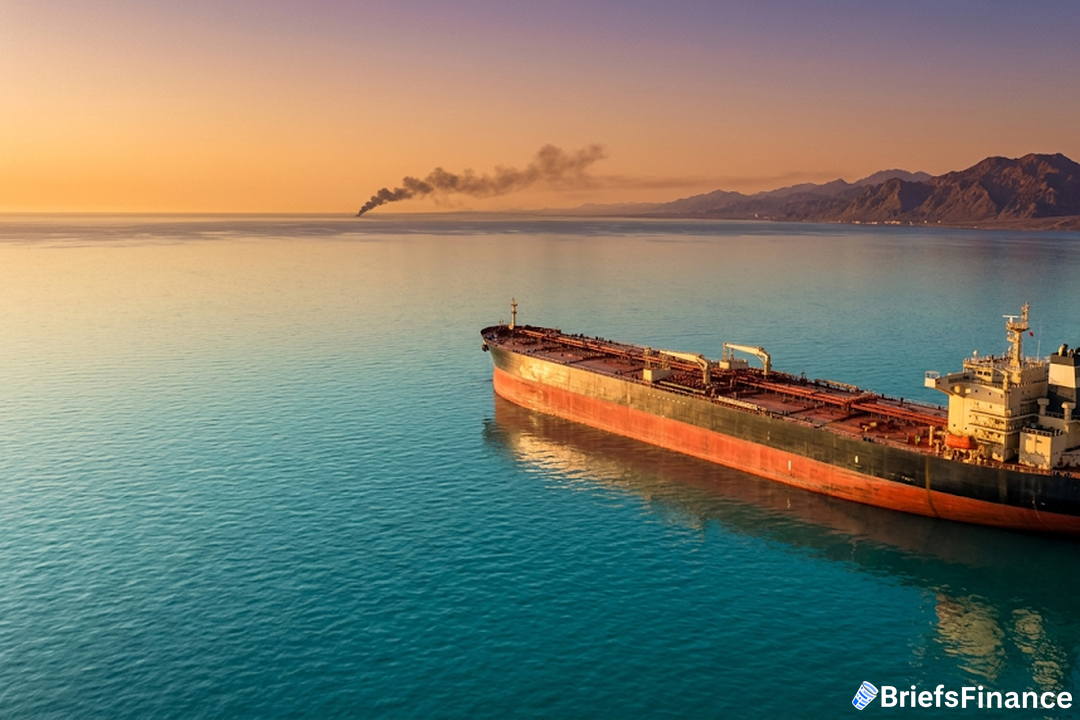
Saudi air defenses intercepted two ballistic missiles fired from Yemen. That came after the Houthis claimed they had hit two Saudi oil tankers earlier in the week and announced a maritime blockade against the kingdom. Blocking Red Sea shipping is a serious threat to Saudi Arabia because a huge portion of its oil exports move through those waters.
The U.S. has its own military operation running at the same time. American forces have carried out 13 straight nights of airstrikes on Iran as of late July. The U.S. has also disabled four merchant vessels that tried to run the American blockade of Iran's ports.
In the Gulf of Oman, American troops halted the M/T Lavine, as stated by Capt. Tim Hawkins of U.S. Central Command, after the vessel attempted to evade the blockade on four separate occasions.
What This Means for Oil and Shipping
When a major oil producer starts trading fire with a militia that sits right next to a key shipping lane, the oil markets tend to notice. The Red Sea connects to the Suez Canal and the Bab el-Mandeb strait, where roughly 10% of global seaborne oil passes through. Any disruption there can push prices higher.
Get the market news that matters in a five-minute read with Market Briefs, our free daily newsletter
The Houthis have proved they are willing to target commercial vessels. Their claim of hitting two Saudi tankers signals they see oil tankers as fair game. That puts every ship moving through the area on alert. Insurance costs for Red Sea shipping have already climbed in similar incidents over the past year.
The US military's separate campaign against Iran, including 13 consecutive nights of airstrikes and a naval blockade, has heightened the overall risk in the region. Pakistan's efforts to mediate peace talks between Washington and Tehran have so far yielded little progress.
The bottom line: This adds another layer of risk to an already volatile region. The U.S. is bombing Iran. Saudi Arabia is bombing the Houthis.
And President Trump has made it clear he sees Iran as ultimately responsible. In a Truth Social post, he said any further Houthi attacks will mean "major military punishment" for Iran. He also told Axios he wonders whether Iran has "received enough pain yet."
What Comes Next for Your Portfolio
For investors, the key question is how far this escalates. If the conflict stays between Saudi Arabia and the Houthis, the impact on oil markets may be contained. The Saudis have the military power to strike Houthi positions without disrupting their own production.
But if the U.S. follows through on Trump's threat and launches a major attack on Iran, the calculus changes completely. Iran sits on the other side of the Strait of Hormuz, where even more oil flows every day.
Right now, the smart move is to watch the headlines. Every new attack or threat sends a small ripple through oil prices. A full-blown conflict between the U.S. and Iran would send a wave.
That does not mean you should dump stocks and buy barrels of crude. It does mean paying attention to how much of your portfolio relies on calm energy markets. Because the Red Sea is anything but calm.
Join Market Briefs, our free daily newsletter, for a quick daily rundown of the markets