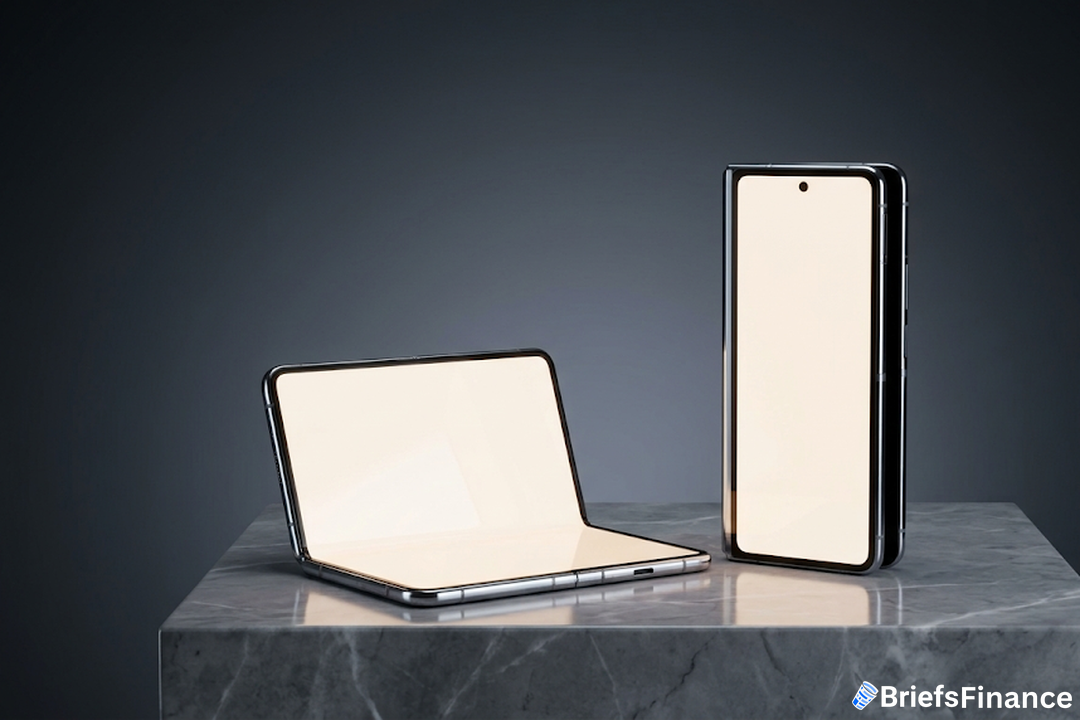
New Phones, Higher Price Tags
Samsung just showed off its latest foldable lineup, and the price tags are a little bigger than last year's.
The Galaxy Z Fold8 Ultra will cost $2,099. The standard Galaxy Z Fold8 comes in at $1,899. And the smaller Galaxy Z Flip8, the one that folds like a clamshell, starts at $1,199.
All three were announced at an event in London on July 22. Two of them went up by $100 compared to their predecessors. The Fold8 Ultra costs $200 more than the Fold8, which is a relatively small gap for a premium device.
That might not sound like much to someone shopping for a $2,000 phone. But for Samsung, every dollar counts - especially when costs are rising behind the scenes.
Why the Prices Went Up
The main reason for the price hike is simple: memory chips got more expensive.
Samsung uses those chips in its phones, and the cost has shot up lately. The cause: soaring demand in the artificial intelligence sector, combined with limited supply. When supply is tight and buyers are hungry, prices go up. That ripple eventually lands in your phone.
Get the market news that matters in a five-minute read with Market Briefs, our free daily newsletter
So Samsung passed some of that cost along to customers. CCS Insight's Ben Wood expressed surprise at the modest increase, indicating that Samsung is likely shouldering a portion of the higher costs instead of transferring them fully to customers. "That underlines the fact that Samsung is keen to maintain a competitive price point," Wood said.
Inside the higher-end models, you will find Qualcomm's Snapdragon 8 Elite Gen 5 processor. That is another reminder that the phone supply chain is tied to the same chip industry that dominates headlines these days.
The Apple Factor
Samsung is not just dealing with higher costs. It is also facing a new competitor that could reshape the foldable phone market.
Apple is widely expected to release its first foldable iPhone later in 2026. As Ben Wood, chief analyst at CCS Insight, put it: "2026 is a huge year for foldables with the near certainty that Apple will be unleashing a foldable iPhone later in the year."
That is a big deal. Apple's entry into any product category tends to shake things up. Samsung has had the foldable space largely to itself for years.
Now it will have to convince buyers that its phones are worth it. Why would someone choose the cheaper one? Samsung will need a clear answer. Wood noted that the Z Fold8's reduced capabilities mean Samsung must present a persuasive case for customers to opt for it over the Ultra.
The bottom line: This is a competitive moment for Samsung. Higher component costs and an incoming rival mean margins could get squeezed, and the company will need to keep selling phones at higher prices without losing customers.
What This Means for Your Portfolio
If you own Samsung stock - or shares of Qualcomm, which makes the chips inside these phones - this launch matters.
More phones sold means more chips sold. But higher component costs could slow demand if customers balk at the price jump.
For Apple investors, the foldable iPhone is a wild card. If Apple pulls it off, it could open a whole new revenue line for the company. If it flops, the market will move on.
The bigger story here is the memory chip market. AI demand is not going away. That means chip prices could stay high for a while, which affects every company that builds devices - including Samsung and Apple. Investors should keep an eye on how those costs flow through quarterly earnings.
Foldable phones are still a small slice of the overall market. But with Apple about to jump in, that slice could get a lot bigger - or a lot more crowded. For now, Samsung is betting that customers will pay extra for a screen that folds. We will find out soon enough whether that bet pays off.
Join Market Briefs, our free daily newsletter, for a quick daily rundown of the markets