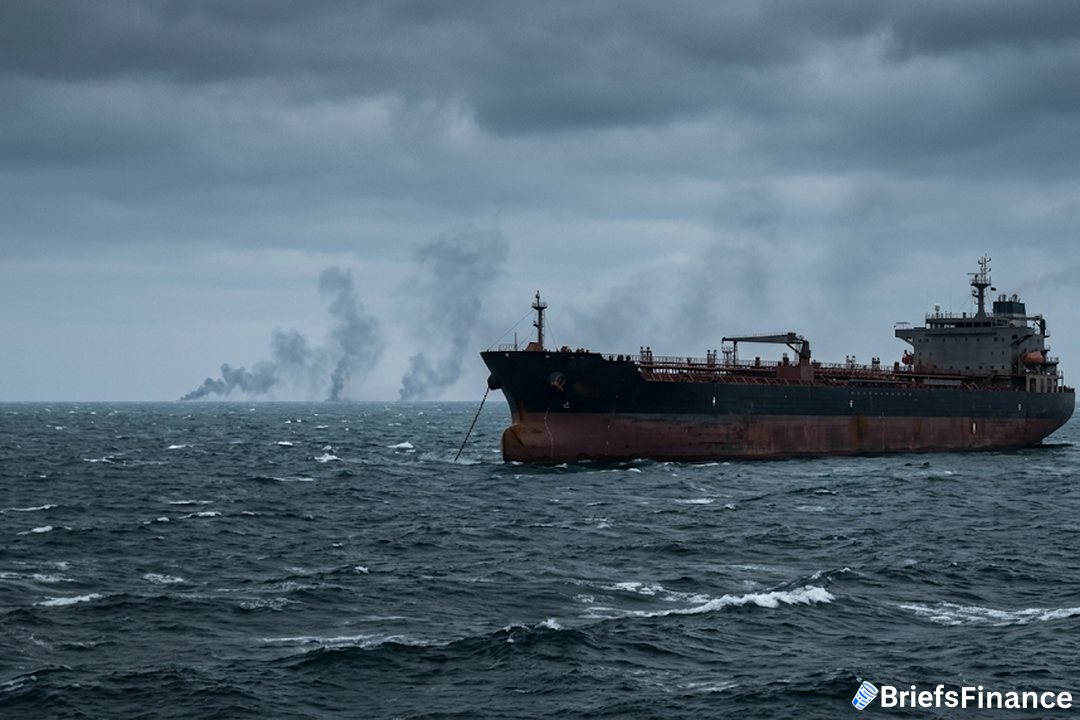
What Actually Happened at the Port
Though weather-related shutdowns sometimes occur at the Sheskharis oil terminal, the storm alert for the Sheskharis region was not announced until late Thursday, which came two days following the final crude load.
Transneft PJSC, the Russian oil-pipeline company that owns the terminal, did not immediately reply to a request for comment.
This week, a wave of drone assaults stopped tankers from picking up crude at the nearby CPC Terminal.
Get the market news that matters in a five-minute read with Market Briefs, our free daily newsletter
Why This Matters for Global Oil Markets
Russian oil exports heavily depend on Black Sea routes, and the Novorossiysk port complex carries a large portion of the nation's crude shipments by sea. The simultaneous disruption at both the Sheskharis and CPC terminals - the latter transporting oil from Kazakhstan and Russia - has already caused shipping insurance premiums to rise, adding to the costs for tanker operators. This combination of factors could exacerbate the existing supply tightness in global markets, which have been under pressure from the ongoing Middle East conflict.
This disruption follows a major escalation by Ukraine, which has sharply increased attacks on ships in Russia's Black Sea and Sea of Azov regions, aiming to pressure Moscow into negotiations. "Moscow has cautioned all vessels operating inside its Black Sea exclusive economic zone, declaring that travel is hazardous due to the threat of attacks from Ukrainian drones, both aerial and seaborne," Russian officials said.
Background on the Terminal's Strategic Importance
The Sheskharis terminal plays a pivotal role in Russia's energy export infrastructure. Located at the port of Novorossiysk, it handles the largest volume of Black Sea crude shipments for the country. Any extended closure not only disrupts Russian export flows but also heightens global supply uncertainty at a time when the Middle East crisis has already driven oil prices higher.
Russia's warnings to commercial vessels in the Black Sea further complicate shipping operations, raising costs and discouraging traffic.
The combined effect of these disruptions could tighten the global supply-demand balance, particularly if the halt at Sheskharis persists for more than a few days. Analysts will be watching for any official statements from Transneft regarding a resumption timeline.
The Sheskharis terminal has long been a linchpin of Russia's energy exports, handling the largest volume of Black Sea crude shipments. Its operations are often affected by weather, but the current shutdown is uniquely driven by military threats. The port's critical role means any prolonged disruption could have ripple effects across global supply chains, especially given the simultaneous halt at the CPC terminal, which also moves Kazakh crude. This dual disruption has already spiked shipping insurance costs and may force tanker operators to seek alternative routes, further tightening supply.
Join Market Briefs, our free daily newsletter, for a quick daily rundown of the markets