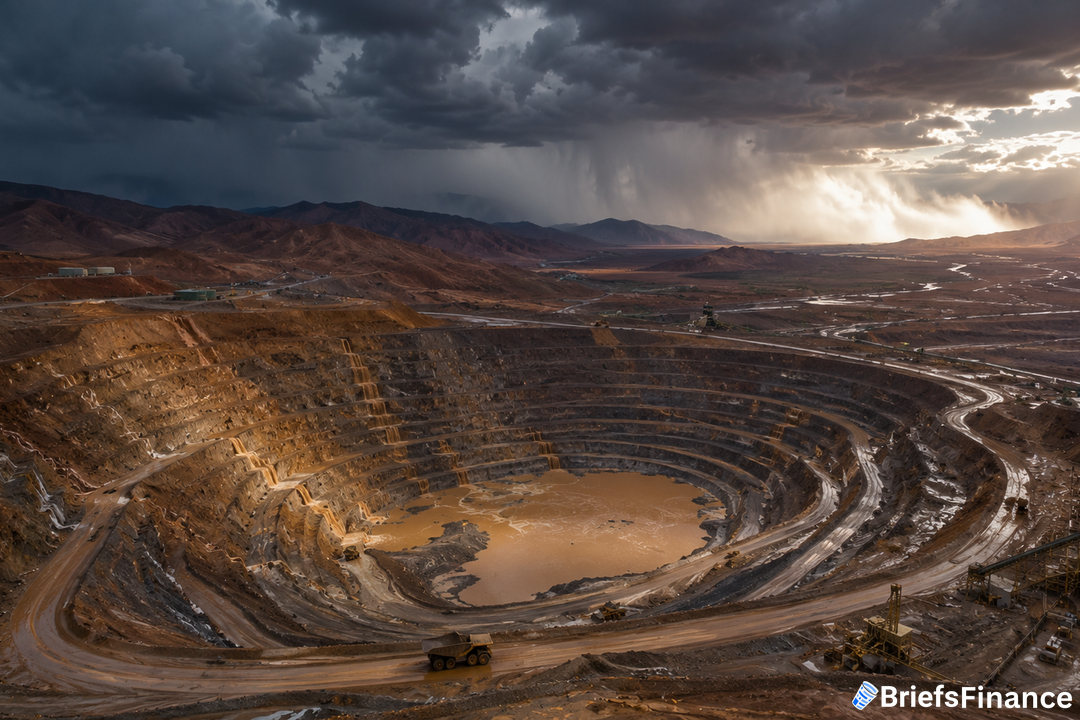
Emergency Meeting as Storm Approaches
Earlier this week, Economy and Mining Minister Daniel Mas convened an urgent meeting with major copper miners such as Teck Resources Ltd., Codelco, and Antofagasta Plc to discuss flood contingency plans. The meeting included representatives from state-owned Codelco, private operators Antofagasta Plc and Teck Resources Ltd, along with Sernageomin, Chile's mining oversight body. The regulator has already activated a crisis committee to watch for landslides and mudslides. The whole group spent the meeting talking through emergency plans - making sure mines have the right equipment, enough staff, and clear procedures to protect workers, operations, and communities.
Why This Storm Is Different
This is not your typical winter rain squall. Forecasters are calling it an atmospheric river - basically a long, narrow band of very moist air that can dump huge amounts of water over days. The prolonged nature of the storm, not just one big downpour, is what has everyone worried.
Open-pit mines are especially vulnerable. Heavy rain can flood them, damaging roads and interrupting concentrate shipments. And if port operations shut down, those shipments sit on the docks instead of heading to buyers. Since this nation extracts nearly one-fourth of the world's mined copper, a brief halt in operations carries significant weight.
Get the market news that matters in a five-minute read with Market Briefs, our free daily newsletter
The big unknown is how far north the storm will push. The main copper districts sit in the northern part of central Chile. If the rain stays farther south, the damage is limited. If it creeps north into areas that rarely see rain, the impact gets a lot bigger.
Atmospheric rivers are not uncommon in Chile's southern regions, but their occurrence in the central and northern mining zones is rare. The Andes mountains often trap moisture, leading to heavy orographic precipitation. Mining infrastructure in the arid north is not built to handle such intense and prolonged rainfall, raising the risk of flash floods and slope failures in open pits. Additionally, the timing of the storm during the Southern Hemisphere winter increases the likelihood of snowmelt exacerbating runoff.
Ongoing Challenges for Chile's Copper Industry
Chile's copper sector has long been strained by declining ore grades at major deposits, persistent water shortages in the Atacama Desert, and periodic labor strikes that have already curtailed output. These structural pressures make the industry acutely vulnerable to any additional disruption, such as the flooding from this atmospheric river. The combination of existing constraints and a sudden weather event could amplify the impact on both production and global supply chains.
The Stakes for Global Supply
Chilean mining operations have been facing production delays and declining mineral grades, prompting substantial capital expenditure merely to sustain current production levels. This storm is the latest threat.
The country's major mines, mostly in the Atacama Desert, are engineered for dry conditions, so sudden heavy rain can halt operations and damage infrastructure. A comparable storm in 2024 temporarily shut down several operations and drove a sharp increase in copper prices, illustrating how quickly weather events can ripple through global markets.
What It Means for Your Portfolio
Copper finds applications across a vast range, including cooling systems, electric cars, and server farms. A weather event that knocks out even part of Chile's production could shift the math for the whole market.
The bottom line: Keep an eye on copper prices in the coming days. If the storm hits the mining zones hard, the reaction could be sharp. But remember that the actual disruption depends on where the rain falls and how long it lasts. For now, miners are preparing for the worst and hoping for a miss.
Join Market Briefs, our free daily newsletter, for a quick daily rundown of the markets