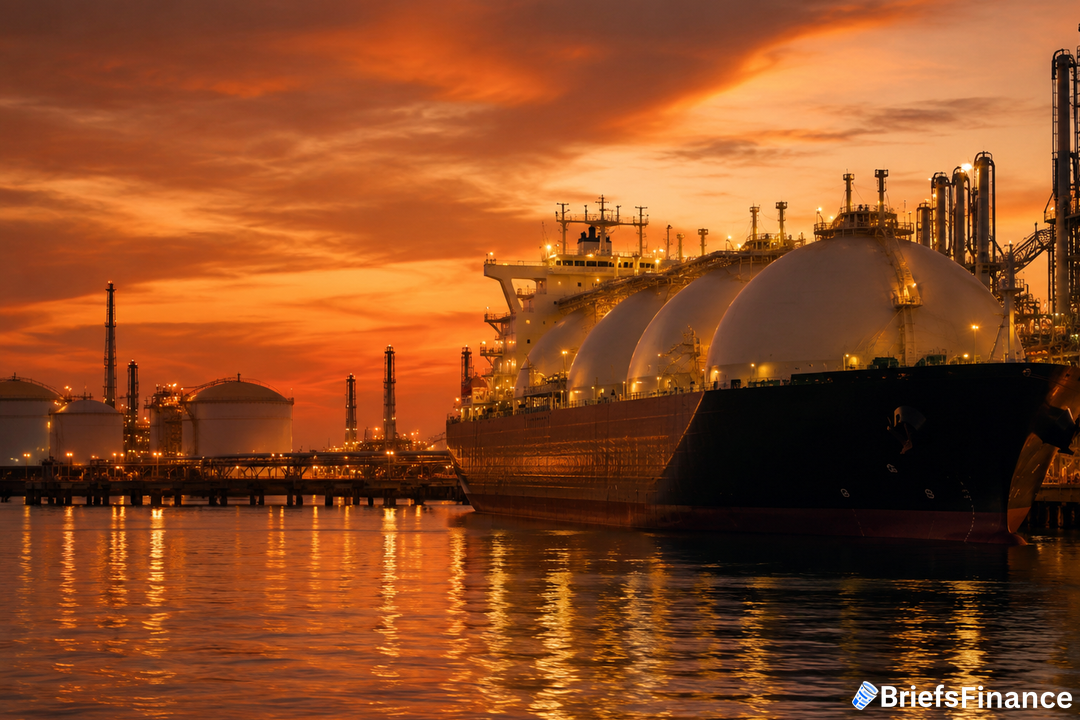
A Longer Pause on Gas Deliveries
Sources familiar with the matter stated, "QatarEnergy intends to keep its force majeure declaration on LNG deliveries in place until around mid-October." This legal provision is used when unforeseen events stop a business from honoring its contract terms.
In June, QatarEnergy notified various purchasers in Asia and Europe that shipments would be paused during August and September. If the suspension is prolonged further, it would place additional strain on global supply at a time when both European and Asian buyers are vying for scarce cargoes, spurred by hot weather driving up demand in some nations and the need to refill storage before winter.
Before the recent Middle East crisis, roughly 20% of worldwide LNG shipments passed through the Strait of Hormuz.
Why the Delay Is Growing
The expected longer pause comes as Middle East hostilities escalate, reducing hopes for a quick recovery in regional gas flows. This week, both Washington and Tehran dismissed the possibility of swift negotiations, causing a sharp rise in gas prices across Europe and Asia.
Get the market news that matters in a five-minute read with Market Briefs, our free daily newsletter
Multiple purchasers in Europe and Asia have indicated that they anticipate an official notice within the next few weeks. QatarEnergy did not reply to a request for comment sent by email.
Geopolitical and Market Context
Qatar's role as a top LNG exporter makes the prolonged halt especially consequential. For European nations weaning themselves off Russian pipeline gas, Qatari cargoes have become a critical alternative. Asian economies, meanwhile, rely on steady LNG flows to power industry and air conditioning during summer heatwaves.
The Strait of Hormuz remains a volatile chokepoint: any escalation in hostilities could disrupt shipping lanes further, compounding supply anxiety. With storage inventories still recovering from last winter's drawdown and peak demand months ahead, the continuation of force majeure threatens to keep prices elevated and intensify competition among buyers for the limited volumes available.
Broader Energy Security Concerns
QatarEnergy's force majeure declaration occurs against a backdrop where energy security has become a top priority for many governments. The company, which operates the world's largest LNG export capacity, originally halted August and September deliveries after a sharp spike in Middle East tensions. This extended suspension not only disrupts immediate cargo schedules but also raises doubts about long-term contractual reliability, especially for European and Asian buyers that have come to depend on Qatari gas to replace Russian pipeline volumes and to meet soaring summer cooling demand.
European nations, already grappling with higher energy costs, have been accelerating storage fill rates, but the prolonged force majeure threatens to slow that progress. Asian buyers, facing record heat in some areas, are competing fiercely for alternative cargoes from the United States and Australia, though those supplies are also limited.
Join Market Briefs, our free daily newsletter, for a quick daily rundown of the markets