Why Canada Is Looking Beyond the US
Canadian Prime Minister Mark Carney has been pushing a defense strategy that shifts away from US suppliers. The US has threatened a 50% tariff on a wide range of Canadian goods.
Canadian Defense Minister David McGuinty was in London for the announcement alongside his counterparts from the other three countries.
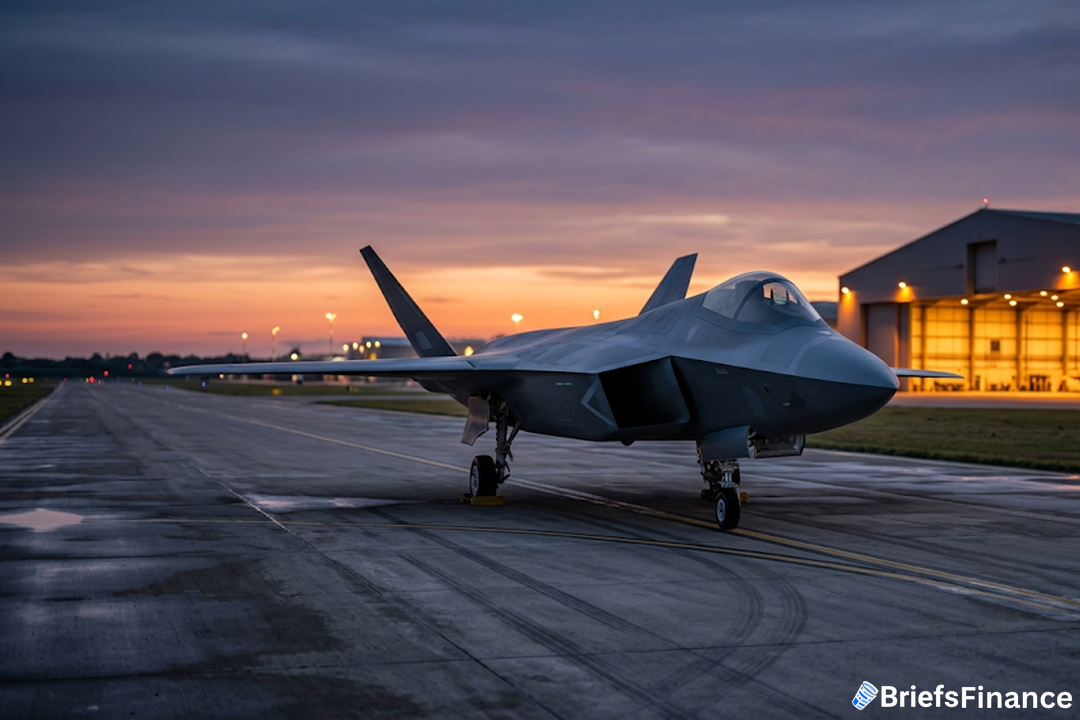
The program is already massive. The Edgewing consortium - comprising BAE Systems, Japan Aircraft Industrial Enhancement Co., and Italy's Leonardo - was recently awarded a £4.6 billion contract to speed up the fighter jet's design work.
What Canada Gets by Joining
As an observer, Canada does not get a vote. It has no decision-making role in the program. What it does get is privileged access - early information on the jet's technology, capability development, and long-term delivery plans.
Get the market news that matters in a five-minute read with Market Briefs, our free daily newsletter
That access matters for industrial collaboration, meaning Canadian companies could eventually build parts for the jet. UK Prime Minister Andy Burnham stated, "GCAP is one of the world's most ambitious defense and industrial partnerships," and added that Canada's involvement makes it stronger.
Canada is still reviewing its contract to buy 88 F-35 jets from Lockheed Martin. The country is also looking at a competing offer from Sweden's Saab AB, which has proposed building its Gripen E jets in Canada. Canadian Prime Minister Mark Carney launched the review shortly after taking office. He also introduced a plan for domestic defense manufacturing that aims to cut reliance on American contractors and keep a larger share of Canada's rising military expenditures within its borders.
The decision to join GCAP as an observer comes amid broader shifts in Canada's defense posture.
Lockheed Martin's F-35 program relies heavily on US supply chains, a vulnerability Carney's government seeks to mitigate. Meanwhile, the Swedish Gripen offer includes a proposal for full in-country assembly and maintenance, which could create Canadian aerospace jobs.
The GCAP program is still in early design stages, with a projected in-service date later this decade. Canada's observer role allows it to monitor progress and decide on future participation without immediate contractual obligations. This mirrors the country's cautious approach to the F-35 review, where it is weighing cost, sovereignty, and industrial benefits.
Canada's defense diversification strategy also encompasses its domestic manufacturing ambitions. Carney's plan seeks to ensure that a larger portion of the country's increasing defense budget stays within Canada, supporting local aerospace employment and reducing exposure to US trade measures. The GCAP observer status provides a path to collaborate with European and Japanese partners, offering potential future industrial involvement without committing to full program membership.
Adding to this strategic shift, Canada's growing unease over US political unpredictability and trade threats has accelerated interest in alternatives to American defense systems. By engaging early with the GCAP, Ottawa positions itself to shape future procurement decisions while keeping options open on the F-35 and Gripen proposals.
Join Market Briefs, our free daily newsletter, for a quick daily rundown of the markets