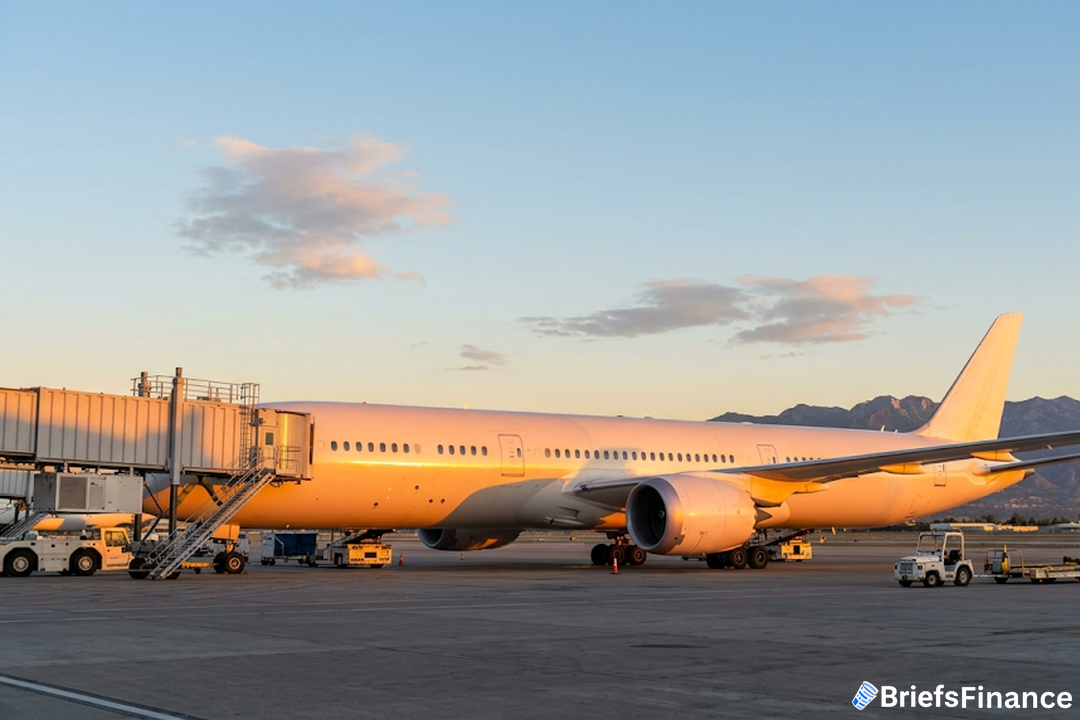
A Long-Awaited Return to Boeing
A Boeing spokesperson said, "That is a long wait, but wide-body jets like these take years to build, and Boeing's order book is already packed."
Philippine Airlines currently flies a mixed fleet of 82 aircraft, according to its annual report. Its current fleet comprises ten 777s and four A350s on long-distance routes, along with eleven A330s for intra-Asia-Pacific services. Adding up to 20 new Dreamliners would be a meaningful expansion. The new planes will be powered by GE Aerospace's GEnx-1B engines, which the company signed on to supply.
Instead of buying planes directly from makers, Philippine Airlines has often used leasing companies for its fleet in the past. This return to direct orders reflects a stronger financial position and a long-term commitment to Boeing's wide-body lineup.
Why Philippine Airlines Is Growing Now
Two big things are driving this order.
Get the market news that matters in a five-minute read with Market Briefs, our free daily newsletter
Together, those two factors create a clear growth path. The airline needs more planes to serve the expected surge in travelers coming through the new airport and to feed passengers into its new alliance partners.
Boeing's Busy Week at the Farnborough Airshow
Philippine Airlines was not the only customer Boeing picked up at the Farnborough Airshow. The manufacturer also landed two other big orders.
Jet lessor SMBC ordered 100 planes. Riyadh Air, a Saudi carrier, ordered 28 jets of its own. That is a lot of business for one week.
For Boeing, these orders are a vote of confidence. The 787-10 Dreamliner is the largest version of the 787 family, designed for long-haul routes and better fuel efficiency. The airshow, held biennially in the UK, is a key venue where airlines and lessors announce major fleet decisions, often signaling their confidence in a manufacturer's product lineup. This year's event underscored Boeing's rebound after years of production challenges, as the 787-10's range and capacity make it a strong competitor against Airbus's A350.
What This Means for Investors
New planes do not roll off the assembly line overnight. The Dreamliners Philippine Airlines ordered will not arrive until 2031. But the decision to order them now tells you something about where the company thinks the industry is heading.
For investors watching airlines more broadly, the Philippine Airlines order is a reminder that air travel in Asia is still growing fast. A $15 billion airport project and a new global alliance are big bets that demand is going to keep climbing.
The catch is that planes are expensive, and financing them takes years. Orders placed today may not affect earnings for a while. But if you are watching for trends - where airlines are putting their money, which regions are expanding, which plane makers are winning - this deal is one more data point that Asian carriers are planning for the long haul.
Join Market Briefs, our free daily newsletter, for a quick daily rundown of the markets