The latest price comparison comes against a backdrop of persistent inflation that has strained household budgets across the country.
Kroger Comes Out Cheapest in 15-Item Basket
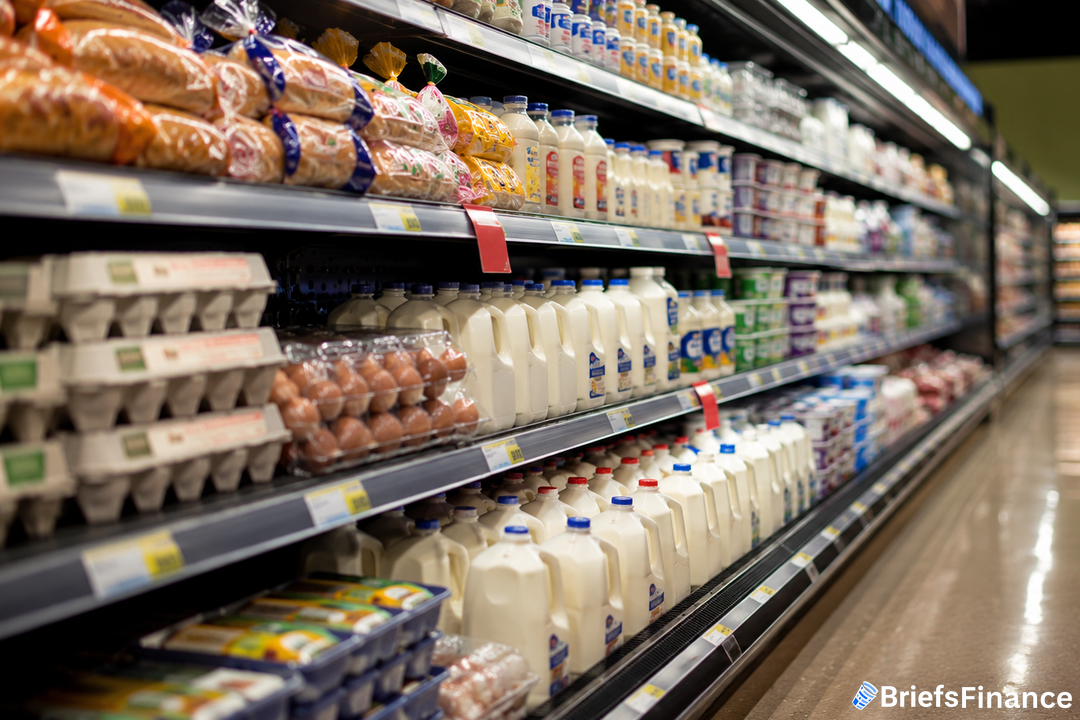
If you have walked into a grocery store lately and felt like everything costs more, you are not imagining it. A recent study by Restaurant Furniture Plus, a company that supplies furniture and equipment to restaurants, looked at the price of 15 standard store-brand items at four of the biggest grocery chains in the country. For the comparison, researchers compiled a basket of 15 common store-brand items such as eggs, milk, chicken breast, bread, spaghetti, canned beans, and baking supplies.
The winner? Kroger. The Ohio-based chain rang up at $30 for the whole basket.
According to Southern Living, Walmart's basket cost $30.95, placing it second, while Aldi and Albertsons totaled $33.15 and $35.58, respectively.
Kroger did not just win on total price. It also had the lowest individual price on 10 of the 15 items - more than any other chain. That suggests its pricing power is pretty broad, not just a few loss leaders designed to get you in the door.
Get the market news that matters in a five-minute read with Market Briefs, our free daily newsletter
The study did not include Costco, Trader Joe's, H-E-B or Piggly Wiggly. Trader Joe's was left out of the study since it lacked certain products in the basket, and Costco's bulk packaging complicated per-item price comparisons.
Food Prices Have Climbed 32% in Five Years
This study did not happen in a vacuum. Food costs have been on a steady tear.
For many households, that squeeze has pushed them into debt.
Groceries are not a luxury. They are a non-negotiable expense, and when the price of essentials climbs faster than wages, something has to give.
The report said: "Groceries are one of the largest household budget items for families. Over the past five years, food costs have increased substantially. This means that families today face persistently higher prices when they go to the grocery store, and food affordability remains a key concern for many."
The Urban Institute data also suggests that these rising costs are forcing consumers to cut back on discretionary spending, such as dining out and entertainment, as they prioritize essential food purchases. This shift in household spending patterns further illustrates the financial strain that persistent grocery inflation places on American families.
The Pressure on Household Budgets Isn't Letting Up
So what does all of this mean for your wallet? The short answer is that grocery prices are still high and are expected to stay that way for a while. The Urban Institute report makes clear that families keep facing higher bills at the checkout, and food affordability will remain a major concern.
Kroger operates about 1,229 stores across 16 states, and its ability to beat competitors on price - especially Walmart, which has long been the low-price king - could give it a lasting edge. When shoppers are watching every dollar, a store that consistently comes in cheapest wins loyalty.
The bottom line: whether you are filling your cart or filling your portfolio, the battle over grocery prices is not over. And the chain that helps people stretch their dollar further is the one worth watching.
Join Market Briefs, our free daily newsletter, for a quick daily rundown of the markets