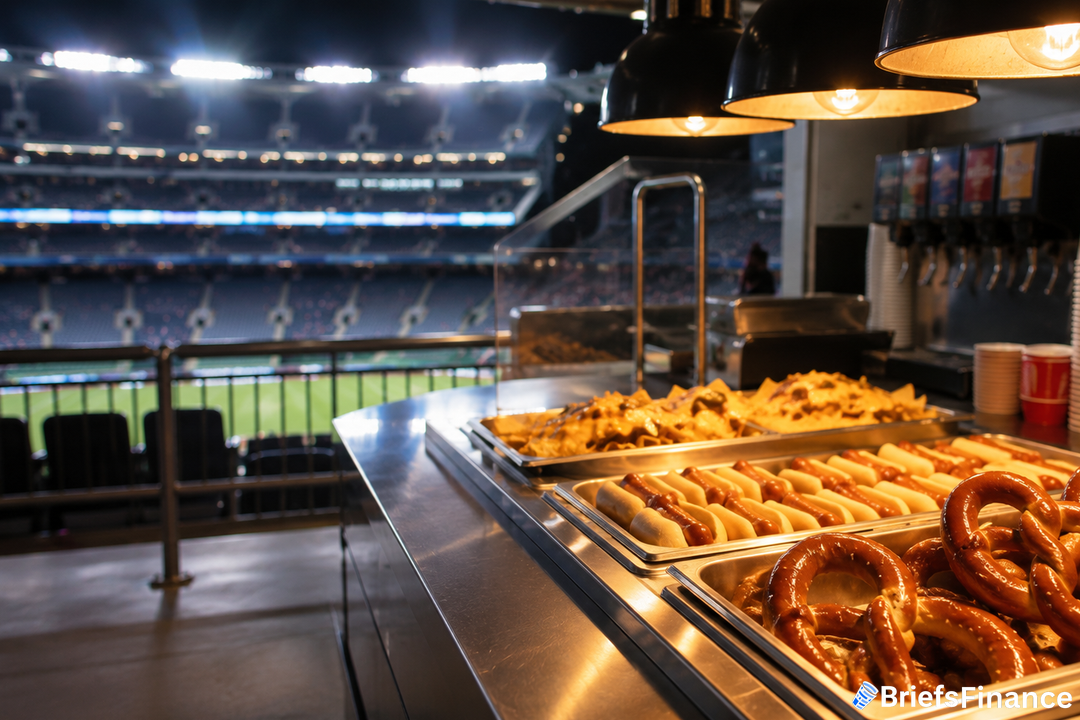
You have probably noticed it at the last game you went to. A hot dog that costs less at the grocery store somehow runs you more inside the stadium. A soda? That is easy to see as well.
It is not just a coincidence. It is a business model designed to leave you with exactly one option: pay up.
The Captive Market Inside Every Stadium
Walk into many ballparks or arenas and you have limited or no ability to bring your own snacks. Outside food and drinks are often restricted. The concession stands are run by a single vendor under a long-term exclusive contract, leaving you with few other choices.
When fans have zero other options, teams and their food partners can charge more. There is no competition inside the building. No food truck parks next to the seats.
No nearby store sells a cheaper soda that you can bring in. The vendor has a monopoly on every hungry fan in the seats.
This is what economists call a captive market. And it is extremely profitable for the people running the show.
Get the market news that matters in a five-minute read with Market Briefs, our free daily newsletter
The twist? Many of these stadiums were built with taxpayer money. Cities and states provide public subsidies for new arenas and renovations. Then the same public foots the bill for overpriced nachos on game day.
A Proposed Fix That Faces Tough Odds
Lawmakers have noticed the disconnect. Some lawmakers have introduced bills that would set a maximum concession price based on a specific markup over what the same items cost at nearby stores.
It sounds fair. If a hot dog sells for one price down the street, the stadium could charge a smaller markup instead of a much larger one.
The catch: enforcing that is a legal mess. Many stadiums are run by private companies or teams, not by the city directly. The public subsidy might have paid for the concrete, but the day-to-day operations are in private hands. Courts tend to be wary of telling private businesses what to charge, even when public money was involved.
So the proposed laws sit in legislative limbo. Fans keep paying.
What This Means for Your Money
As an investor - and as a fan - this pricing model matters in two ways.
First, on the consumer side, you are carrying the cost. Every time you buy a beer or a bag of popcorn, you are funding the very system that makes it hard to change. The next time a city votes on a stadium subsidy, the math is worth remembering: your tax dollars built the building, and then you pay again every time you get hungry inside it.
Second, from an investing perspective, this captive pricing is a feature, not a bug. Teams and their concession partners have a reliable, high-margin revenue stream that few outside events can replicate. That consistent cash flow is part of what makes sports franchises valuable. It is also part of why they fight so hard against any regulation that would cap those prices.
For now, the system holds. The exclusive contracts stay in place. The outside food stays outside.
And the prices remain high. Whether that changes depends on how much political pressure builds around those stadiums built with your money.
For your portfolio, the lesson is simple. When a business controls the only access to a hungry crowd, it tends to do very well. Just do not expect the hot dog to get cheaper anytime soon.
Join Market Briefs, our free daily newsletter, for a quick daily rundown of the markets