The Same Tech That Saves You a Trip to the Dealer
You probably do not think twice when your phone gets a software update overnight. Your car? That is a different story.
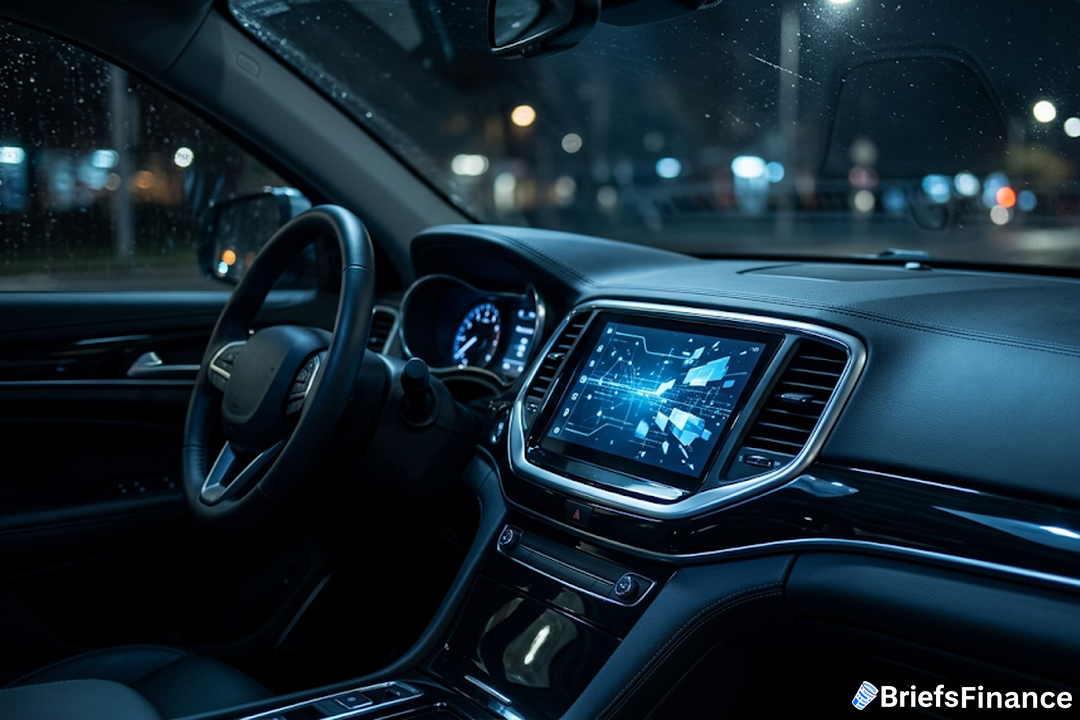
Tesla started the trend back in 2012, using over-the-air (OTA) wireless updates to fix bugs and add features to the Model S without a visit to the shop. Other automakers quickly followed. It saves time and money - no recalls, no sitting in a waiting room. "The technology is increasingly welcomed as it is a quick and cost-effective way to manage systems on vehicles," said Siraj Ahmed Shaikh, a professor at Swansea University in the UK.
But here is the catch: the same convenience creates a new door for attackers. OTA systems can send software, firmware, and data to a car wirelessly. In theory, that wireless link can also give someone outside the car access to critical controls - things like the battery and the power supply.
Get the market news that matters in a five-minute read with Market Briefs, our free daily newsletter
A Bus Test Showed the Problem Is Real
This is not just a theory anymore. Late last year, Ruter, a Norwegian bus operator, conducted tests on two electric buses from Chinese maker Yutong. One of them had a potential security risk. The company said there was "access to the control system for battery and power supply via mobile network through a Romanian SIM card." As Ruter put it, "in theory, therefore, this bus can be stopped or rendered inoperable by the manufacturer."
Gabriel Lim, a senior analyst at Singapore's S. Rajaratnam School of International Studies, called OTA technology "a unique national security concern." He added that "aside from data privacy concerns, the potential of a foreign actor sabotaging the controls of a moving vehicle is a possibility that countries like Norway, Denmark, and Britain have expressed concerns about."
That test kicked off investigations in the UK and Denmark. The UK Department for Transport is now looking into OTA risks together with the National Cyber Security Centre. A May statement from the American Enterprise Institute cautioned: "to protect against foreign espionage threats, the US should consider additional security reviews, implement restrictions on certain foreign-made hardware and software in vehicles, and mandate increased data-collection disclosures."
What This Means for Your Portfolio
OTA technology is not going away. It is expanding into ships, trains, drones, and industrial robots. "Other sectors adopting OTA include other transport modes such as maritime and rail, aerospace (particularly drones), industrial machinery and robotics," Shaikh said.
Jason Van der Schyff of the Australian Strategic Policy Institute pointed out that OTA systems have become deeply integrated throughout the automotive industry. Lim put it plainly: "It is crucial for us to be aware of this technology, and to hold entities and governments accountable for how OTA systems are applied, especially how they run quietly in the background of the technologies we use in our everyday lives."
Join Market Briefs, our free daily newsletter, for a quick daily rundown of the markets