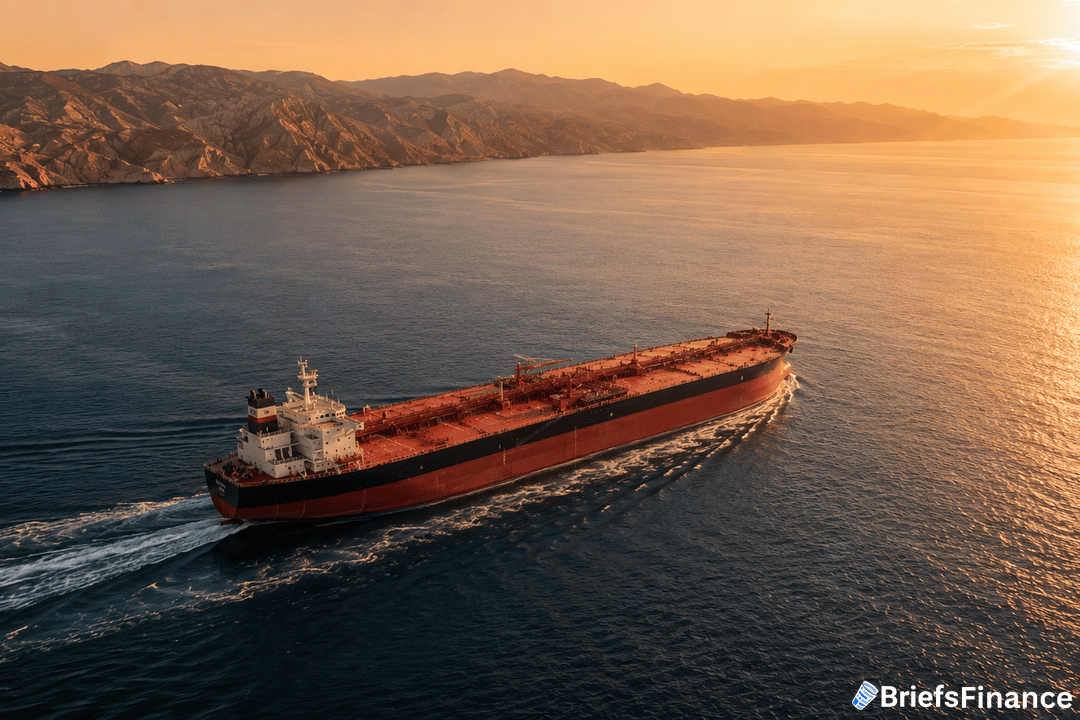
Crude got slammed Wednesday on a report that Iran agreed to reopen the Strait of Hormuz. There's one problem: the White House says no such deal exists. Oil dropped anyway, with WTI down almost 5% and Brent close behind.
About 20% of the world's oil moved through Hormuz before the war started. So even a rumor of normal traffic returning can move prices fast.
What Actually Happened
Iranian state television cited a draft memorandum of understanding. It said Tehran would bring commercial traffic through the strait back to prewar levels within a month of a U.S. agreement, with Oman helping manage the shipping flow. Reuters picked up the report before the White House called it "a complete fabrication."
Secretary of State Marco Rubio said the U.S. is giving talks "every chance to succeed." But he kept military options on the table.
President Trump said Iran won't control Hormuz under any deal, and he was blunt about it.
"The strait is going to be open to everybody. It's international waters, nobody's going to control it," Trump said at a Cabinet meeting.
The headline whiplash is becoming a daily feature. A similar draft deal report earlier this week sent crude swinging both ways within hours.
Iran also said it would help manage shipping through the strait after a deal. That has not been verified by any U.S. source.
We unpack the moves that actually shift oil markets in Market Briefs every weekday morning. You also get a free 45-minute investing masterclass as a bonus when you join.
The Supply Math Doesn't Match The Price Move
Hormuz is the only road in and out of the Persian Gulf for tankers. One chokepoint, no detour. So when traders price in a fast reopening, they're betting on a clean restart of a system that just isn't there yet.
Even if a deal landed today, traffic wouldn't snap back. Sultan Ahmed al-Jaber, who runs Abu Dhabi National Oil Company, said last week that getting Hormuz back to 80% of normal would take at least four months. Full normalization? Not until early or mid-2027.
So traders priced in a one-month timeline floated by Iran. The actual operator timeline runs closer to a year.
That gap is why some buyers are already lining up other routes. The UAE, for one, is halfway done with a pipeline built to skip the strait.
What To Watch
The on-again-off-again Iran headlines are now the single biggest driver of oil prices. A real deal would push crude lower. A breakdown or another round of strikes sends it back up fast.
U.S. forces hit southern Iran this week in what the Pentagon called a defensive strike. Tehran said it would retaliate. And Japan's oil imports are already rebounding on every hint of normal flow.
The next headline moves the price.
If you want a five-minute market read every morning, join 350,000+ investors reading Market Briefs. Signup also comes with a free investing course thrown in.