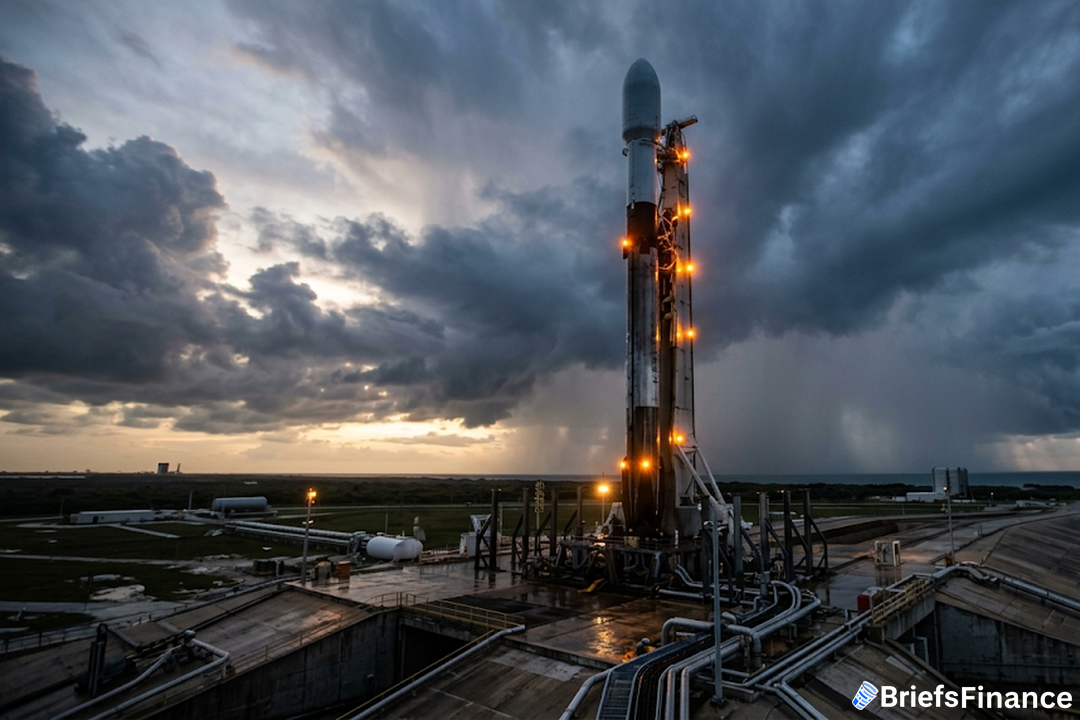
What Just Happened With SpaceX Stock
Short sellers have piled into SpaceX, and the numbers are getting harder to ignore. S3 Partners estimates that these short positions amount to roughly 206 million shares, worth about $25 billion.
Just one week earlier, short interest was 29% of the float, or about 185 million shares. A month ago it was only 5% to 7%, around 40 million shares. The surge is dramatic, even by the standards of a company that is still new to public markets.
SpaceX's stock closed Tuesday at around $128, up about 7% on the day. That is below its initial public offering price of $135 per share, which means anyone who bought at the IPO and held is sitting on a small loss so far.
Get the market news that matters in a five-minute read with Market Briefs, our free daily newsletter
Why Short Sellers Are Loading Up
The timing is not random. S3 Partners research leader Matthew Unterman observed that bearish traders have been increasing their positions in anticipation of multiple upcoming catalysts. The most noteworthy is the company's maiden earnings release since its IPO, scheduled for after market hours on August 4.
Lock-up agreements are also set to expire soon. When those restrictions lift, early investors and employees will be free to sell shares they have held since the IPO. That could flood the market with extra supply, pushing the stock price down - exactly what short sellers hope for.
Elon Musk has a different view. In a response to the rising short interest, he wrote on X: "The survival probability of firms who maintain a significant short position in SpaceX over time is very low." He also stated: "I said SpaceX will be worth more than Earth if we achieve our goals. Obviously true."
Not everyone on Wall Street is betting against the company. Macquarie, an investment bank, reiterated an outperform rating on SpaceX, recommending that investors purchase shares during this dip.
The Bigger Picture
SpaceX, founded by Elon Musk in 2002, has become a dominant force in the aerospace industry with its reusable Falcon rockets and the growing Starlink satellite network. Its public debut earlier this year attracted massive attention, but the stock has struggled to hold above the IPO price. Lock-up expirations often introduce volatility as early backers cash out, and the upcoming earnings report will be the first real test of the company's financial disclosure as a public entity.
Starlink, which now counts over a million subscribers, generates recurring subscription revenue that complements SpaceX's launch contracts, reinforcing the company's financial foundation. Musk has a long history of battling short sellers, famously targeting them during Tesla's rise. The sharp increase in short interest suggests some traders doubt SpaceX can maintain its valuation amid these near-term uncertainties, though Musk remains confident in the company's long-term trajectory.
Join Market Briefs, our free daily newsletter, for a quick daily rundown of the markets