Overview
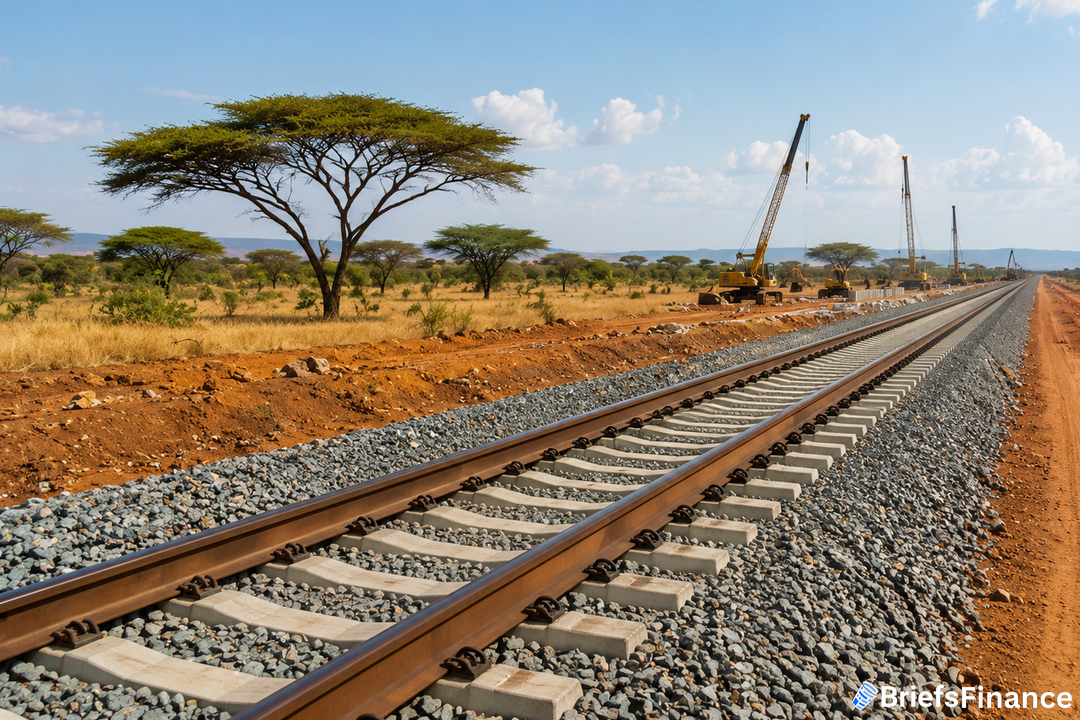
The Tanzanian government's objective is to extend railway connections from its primary port, Dar es Salaam, to the landlocked countries of Burundi, the Democratic Republic of Congo, and Zambia.
Project Context
These railway developments are part of Tanzania's broader strategy to transform itself into a regional logistics hub. By improving rail connectivity to its landlocked neighbors, the country hopes to capture a larger share of the region's import and export traffic, which currently moves largely through roads or ports in other countries. The projects also align with China's Belt and Road Initiative, which has financed numerous infrastructure projects across Africa.
This push to modernize transport infrastructure includes several Chinese-backed undertakings. The upgrade of the Tanzania-Zambia railway and a spur line to a nickel mine in Burundi are key components, all aimed at reducing shipping costs and travel times for landlocked nations. However, challenges such as land acquisition disputes, environmental impact assessments, and the need for skilled maintenance personnel remain, and Tanzania is addressing these through technical training programs.
Get the market news that matters in a five-minute read with Market Briefs, our free daily newsletter
Economic Impact
These infrastructure projects are crucial for Tanzania's economic development. By facilitating faster and cheaper movement of goods, the new railway network is expected to boost trade with neighboring landlocked countries. The standard gauge technology will allow trains to travel at up to 160 km/h, significantly reducing travel time compared to old meter-gauge lines.
Tanzania also benefits from Chinese financing under the Belt and Road Initiative, which has provided billions in loans for African infrastructure. However, the country must invest in maintenance and training to ensure the railways operate efficiently over the long term.
The upgrade of the Tanzania-Zambia railway, originally built with Chinese assistance in the 1970s, is particularly significant as it provides a direct link to Zambia's copper belt. Meanwhile, the spur line to the nickel mine in Burundi will support resource extraction and export.
Contractors and Financing
The main contractors for Tanzania's railway projects over the past decade have come from China and Turkey, with Yapi Merkezi Insaat VE Sanayi SA playing a leading role. In April, a syndicated loan of $2.3 billion for a Yapi Merkezi project was organized by Standard Chartered Plc.
For China, these railway deals strengthen its economic ties with Tanzania and provide a route for exporting equipment and expertise. At the same time, the projects face challenges such as land acquisition, environmental concerns, and the need for maintenance capacity.
The broader network aims to reduce reliance on road transport and lower shipping costs for inland African nations. Currently, much of the region's trade passes through ports in Kenya, South Africa, and Mozambique. By offering a direct rail link from Dar es Salaam, Tanzania hopes to attract a larger portion of cargo traffic from the Democratic Republic of Congo and Burundi, shifting volumes away from longer and more expensive routes. China's involvement also brings standardized gauge technology, which improves speed and capacity compared to the older meter-gauge lines that still serve parts of East Africa.
Join Market Briefs, our free daily newsletter, for a quick daily rundown of the markets