Free NewsletterPro Login

Maine Is About to Become the First State to Ban New Data Centers

Published Apr 9, 2026
Share:
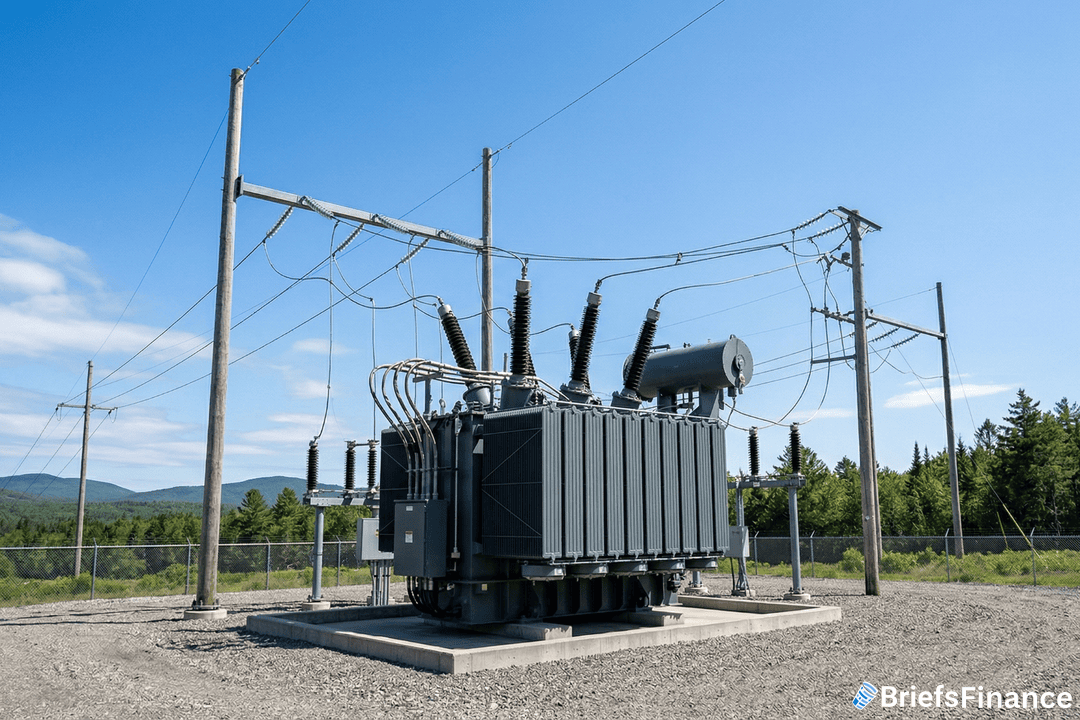
Large electrical transformer at a power substation, surrounded by gravel and fencing, with power lines and trees in the background under a clear sky.
Summary:
  • Maine's House passed a bill banning data center construction until November 2027 with bipartisan support, voting 82-62 this week.
  • The state fears the AI boom will spike electricity costs that are already among the highest in the nation.
  • At least a dozen other states, including Virginia and Georgia, have introduced similar moratorium bills.

Maine just pumped the brakes on the data center gold rush. While tech companies race to build massive computing centers across America to power AI, Maine became the first state to say: not here, not yet.

The House voted 82-62 this week to ban data center construction until November 2027.

The Electricity Problem

Data centers are power hogs - they run thousands of servers 24/7 and need enormous amounts of electricity to keep those servers cool. Maine already has some of the highest energy rates in the country. Adding data centers could push bills even higher for regular residents.

Seth Berry of Our Power, an energy nonprofit, put it bluntly: "If data centers are allowed to increase those costs even more, it could really be devastating especially for our lower- and working-class populations."

The Business Pushback

Tech groups and the Maine State Chamber of Commerce are pushing hard against the ban. Patrick Woodcock, the Chamber's CEO, argues Maine already has a robust permitting process: "A moratorium is the wrong approach."

Glenn Adams of Maine construction firm Sargent Corp. warns: "If Maine says 'no,' we're saying no to all these companies, to potential developers and investors, and they can quite quickly go somewhere else."

The Political Twist

Governor Janet Mills asked for exemptions allowing data centers in certain areas. The House crushed that amendment 115-29. Now Mills faces a veto decision complicated by her Senate campaign - she's trailing in primary polls and can't afford to anger voters who support the ban.

Worth Noting

Maine isn't alone - bills to pause data center construction have been introduced in at least a dozen states, including data center hotspots Virginia and Georgia. What Maine does next could set the template for how America handles the collision between AI ambitions and electricity costs.

Disclosure

Get Market Briefs delivered to your inbox every morning for free!

No fluff. No noise. No politics. Just finance news you can read in 5 minutes.

Blogs

May 30, 2026
Financial Literacy Books That Actually Build Wealth
  • The best financial literacy books don't just teach budgeting, they shift how you think about money.
  • Two classics stand out: The Intelligent Investor for valuing investments, and Rich Dad Poor Dad for the owner's mindset.
  • Reading is only step one. The real wealth comes from acting on what you learn.
Read More
May 30, 2026
What Is a Roth Conversion? A Simple Guide
  • A Roth conversion moves money from a traditional retirement account into a Roth account.
  • You pay taxes on the money now, in exchange for tax-free growth and withdrawals later.
  • It can pay off if you expect higher taxes or more income in the future, but the timing and tax hit matter a lot.
Read More
May 30, 2026
Trailing Stop Loss: How to Protect Your Gains
  • A trailing stop loss is an order that automatically sells a stock if it falls a set percentage from its recent high.
  • As the stock rises, the sell point rises with it, locking in gains while capping losses.
  • It's most useful for active strategies like momentum investing, not for long-term buy-and-hold.
Read More
May 30, 2026
5 Types of Wealth: Why Money Is Only One of Them
  • Real wealth is more than a bank balance. It spans your finances, health, mind, purpose, and freedom.
  • Money is powerful, but it amplifies the life you already have rather than fixing a broken one.
  • True financial wealth means your cash flow covers your expenses, so your money works while you live.
Read More
May 30, 2026
How to Invest in Private Equity: A Beginner's Guide
  • Private equity means investing in companies that aren't listed on the stock market.
  • Traditional private equity is built for experienced, high-net-worth investors with large amounts to invest.
  • New rules have opened more accessible paths, like startup crowdfunding and real estate deals, often starting around $100.
Read More
May 30, 2026
What Is a Call Option? A Simple Guide With Examples
  • A call option gives you the right to buy a stock at a set price by a set date.
  • Investors buy calls when they expect a stock to rise, using less money than buying the shares outright.
  • The most you can lose buying a call is the premium, but time works against you, so it's an advanced tool.
Read More
May 30, 2026
EBITDA Formula: How to Calculate It Step by Step
  • EBITDA stands for Earnings Before Interest, Taxes, Depreciation, and Amortization, a measure of a company's core profit.
  • The formula adds those four items back to net income to show what the underlying business earns.
  • Investors use EBITDA to compare companies and to judge how many times earnings a stock is selling for.
Read More
May 30, 2026
What Is a Stock Option? A Plain-English Guide
  • A stock option is a contract giving you the right, but not the obligation, to buy or sell a stock at a set price by a set date.
  • There are two types: calls (the right to buy) and puts (the right to sell).
  • Options are powerful but risky, so they suit investors who already have the basics down.
Read More
May 30, 2026
Put Option: What It Is and How It Works
  • A put option gives you the right to sell a stock at a set price by a set date.
  • Investors use puts to bet a stock will fall, or as insurance to protect shares they own.
  • The most you can lose buying a put is the premium you paid, which makes it a defined-risk tool.
Read More
May 30, 2026
Operating Margin: What It Is and How to Calculate It
  • Operating margin shows how much profit a company keeps from its core business after paying its running costs.
  • The formula is operating income divided by revenue, shown as a percent.
  • A strong, steady operating margin signals a well-run business that controls its costs.
Read More
1 2 3 22
Share via
Copy link










