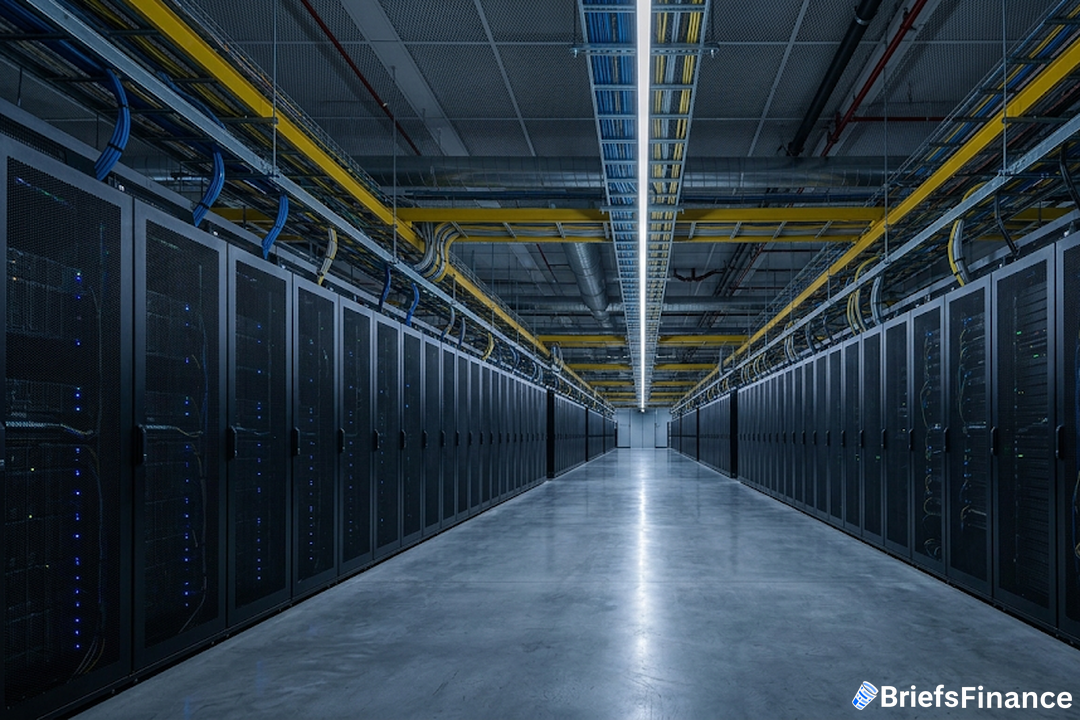
Data center bonds have seen intense demand as technology companies compete to expand their AI computing capabilities. This particular project - a 1-gigawatt campus in El Paso, one of the largest of its kind - is backed by Meta. Yet the sheer volume of similar debt financings is starting to weigh on investor appetite.
BlackRock's deal is just the latest in a wave that includes Hut 8 Corp.'s $4.25 billion raise last month and Blackstone-backed QTS's $4.6 billion bond for a Microsoft-tied project. The pattern is clear: the market is asking for a higher price to take on this risk.
The entity's name, Sopaipilla, follows a pattern seen in other BlackRock data center bonds, such as the Beignet offering, which also used a food-themed moniker. That earlier bond now trades at a narrower spread, making the new deal's pricing more expensive by comparison.
A Deal That Did Not Quite Land
Wall Street loves a good AI story. But even the best story gets old if you hear it too many times.
BlackRock found that out this week. The asset manager is trying to raise $12.3 billion through a bond sale to fund a massive data center campus in El Paso for Meta. The facility is expected to have 1 gigawatt of computing capacity - enough to make it one of the larger projects of its kind.
The response from investors? Lukewarm at best.
Get the market news that matters in a five-minute read with Market Briefs, our free daily newsletter
The gap between orders and the amount on offer is narrow enough to make the deal's pricing team work a little harder.
This spread is 0.4 percentage point larger than the current trading level of a comparable bond from a different BlackRock-related offering, called Beignet. "The bottom line," said a bond market participant, "the market is not handing out easy money for AI projects anymore."
Why Investors Are Getting Picky
This deal did not land in a vacuum. It arrived in a market that has been drowned in tech debt.
Amazon recently sold $25 billion in bonds, and its order-to-offer ratio came in at just 1.6 times. That is well below this year's average of four times for investment-grade bonds. Meta itself faced weak demand for a $25 billion bond offering back in April 2026, which followed a $30 billion deal six months earlier.
The pattern is clear: investors are starting to ask whether all of this spending on AI infrastructure will actually pay off. That question got louder after Alphabet raised its 2026 capital spending forecast. Higher spending on data centers and AI gear means more debt, and more debt means more supply hitting the market.
On top of that, oil prices have climbed because of the Iran conflict, which tends to make investors nervous across the board. The Sopaipilla bonds are due in 2048, which gives investors a long time to wait and see if the AI boom delivers. Right now, they are asking for more compensation for that wait.
What It Means for Your Portfolio
The pricing of this bond matters beyond Wall Street trading desks.
Some context: this is not the only big data center project looking for money. The numbers keep getting bigger. But the market is sending a signal.
When spreads widen - meaning bond yields go up - it makes borrowing more expensive for companies. If the cost of financing AI projects rises, that could slow down the whole building boom. And if that happens, the stocks of companies tied to AI spending could feel the pinch.
For investors holding bonds or bond funds, there is a different story. Wider spreads mean higher yields, which can be attractive for people looking for income. The Sopaipilla bonds are set to price on Monday, and during the syndication process the spread could tighten a bit - that is normal in these deals. But the initial numbers suggest the market wants a premium.
Join Market Briefs, our free daily newsletter, for a quick daily rundown of the markets