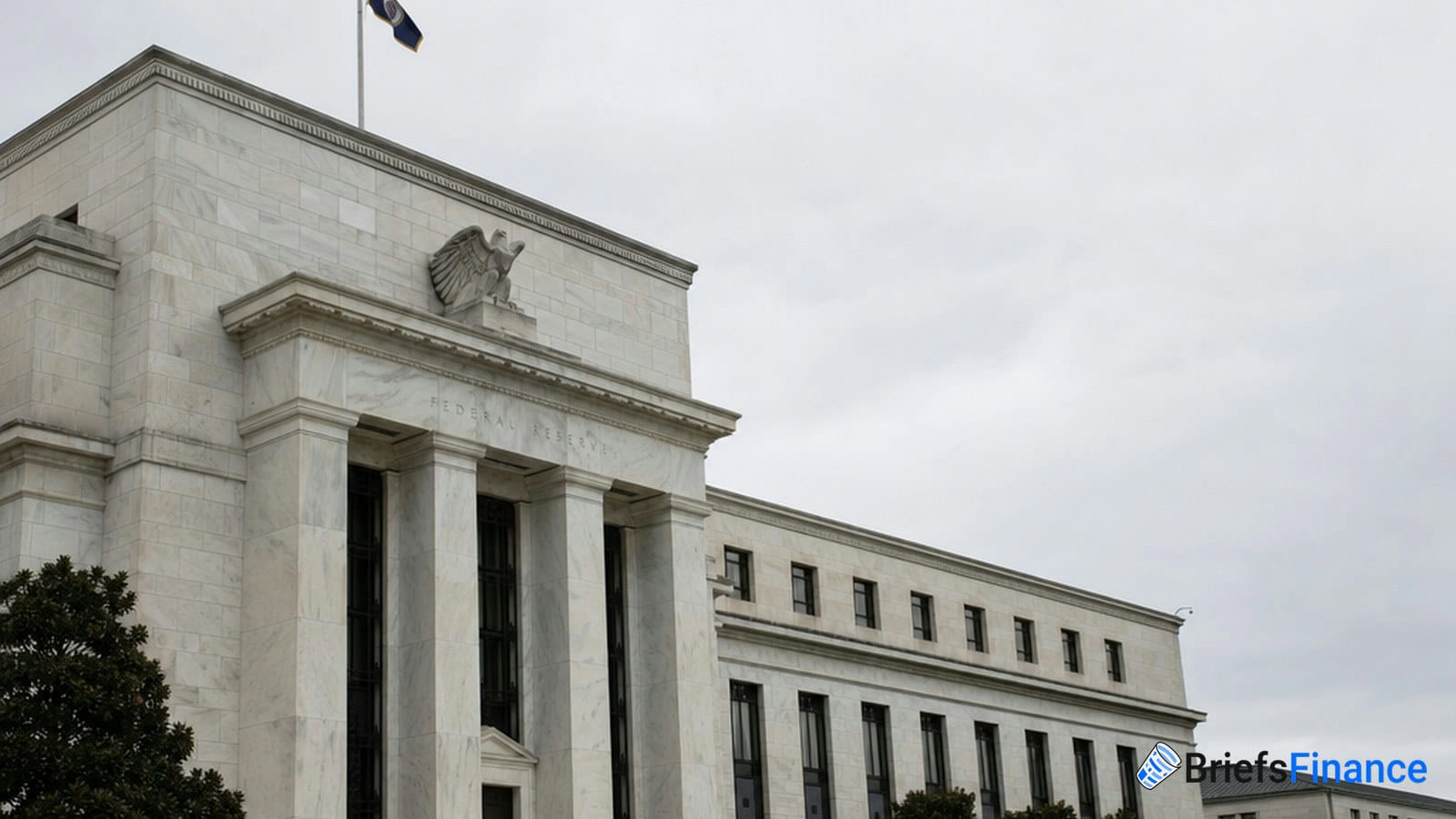
Kevin Warsh took over the Fed last month, and the first jobs report waiting on his desk came in hot - not the welcome most new chairs would pick.
Hiring came in well above what economists expected, pointing to a labor market that's still running warm despite months of higher rates.
That's a problem for anyone hoping for fast cuts.
The Jobs Number Came In Hawkish
Hawkish means the data is strong enough to keep the Fed cautious about cutting rates.
When a jobs report runs this hot, it tells the Fed the economy doesn't need help - and with no need for help, there's less reason to lower borrowing costs.
Wage growth came in line with expectations, with average hourly earnings up 0.3% on the month - enough to keep inflation pressure alive and give the Fed another reason to wait before cutting.
Bond markets reacted right away, with yields pushing higher as traders pulled back bets on a near-term cut.
The bottom line: the rate cuts that looked close just weeks ago slid further out the moment the report hit.
Warsh Walks In At An Awkward Moment
Kevin Warsh isn't new to the building - he served as a Fed governor from 2006 to 2011 and sat on the board through the 2008 financial crisis alongside then-Chair Ben Bernanke.
In the years since, he's been one of the louder hawkish voices in monetary policy debates, regularly warning about the long-term cost of easy money and loose policy.
His reputation: caution on inflation, skeptical of low rates, and not afraid to push back on the consensus.
What This Means For Markets
Higher-for-longer rates put pressure on the parts of the market that depend on cheap borrowing - small caps, real estate, and growth stocks with profits sitting years out.
Names that ran up on rate-cut hopes are the most exposed, since a Fed forced to stay on hold pulls the rug out from under the trade that drove them.
The flip side: banks and value stocks tend to hold up better when rates stay high.
How Warsh Plays It
A first meeting is part policy decision, part audition, with markets watching every word for clues about the new chair's bias.
If he holds rates steady and uses cautious language about inflation, the message is clear: cuts come later, not sooner.
A softer tone would surprise traders and likely set off a rally in rate-sensitive names, but anyone betting on that pivot is fighting a jobs report that just made the easing case much harder to argue.
What To Watch
The next Fed meeting on June 16-17 is the first real test, with Warsh's tone, the language in his press conference, and any pushback from other governors revealing how aggressive he plans to be.
Watch the dot plot too - the chart that shows where each Fed official sees rates heading - for any sign the committee is shifting hawkish under new leadership.
The jobs report set the table. Warsh decides what's on it.