A Different Path for India's Roads
Most of the world's auto giants are racing toward electric vehicles. Honda's two-wheeler business in India is taking a detour.
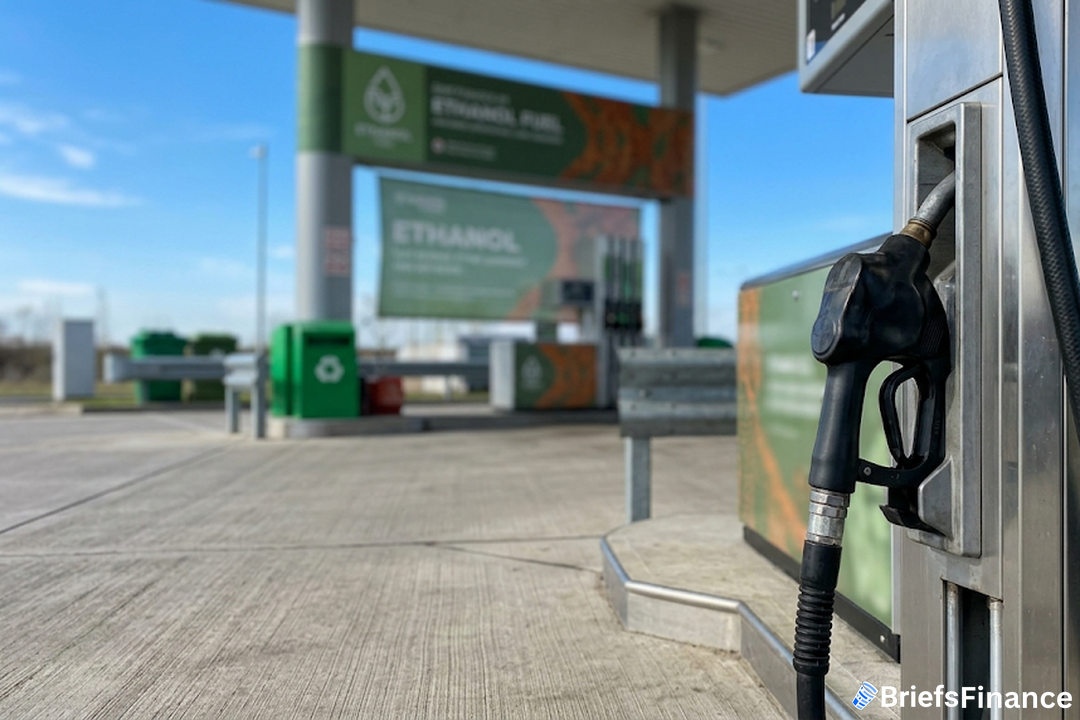
Instead of betting big on battery power, the company is pushing ethanol-blended gasoline - specifically E85, which is 85% ethanol, and even 100% ethanol as a possible option. The idea is to cut emissions without forcing drivers to rely on a charging network that is inconsistent in many parts of the country.
Tsutsumu Otani, the president and CEO of Honda's Indian two-wheeler unit, put it plainly: "Sustainability must also be practical."
That practical view comes from looking at the ground truth. Every year, more than 20 million two-wheelers are sold in India.
Why Honda Is Holding Back on EVs
The data reveals a market where electric vehicle uptake is heavily focused in southern India, where the charging network is more robust, while rural areas still prefer conventional petrol engines, according to Otani. He pointed to power outages and uneven charger availability as reasons for adopting a "multi-pathway approach" that includes ICE, electric, and alternative fuels instead of a full shift to EVs.
Get the market news that matters in a five-minute read with Market Briefs, our free daily newsletter
Honda also observed its Japanese parent company stopping the sale of its EVs in America. That experience reinforced a cautious approach for India.
In contrast, domestic competitors such as TVS Motor and Bajaj Auto are aggressively launching electric models. Pure-play startups like Ather Energy and Ola Electric dominate the battery-powered scooter segment. So Honda isn't ignoring electric - it just doesn't think now is the moment to go all in.
Instead, the company is favoring a "multi-pathway approach" that includes internal combustion engines, battery power, and other fuel types, rather than committing exclusively to electric vehicles.
Ethanol as a bridge fuel comes with its own trade-offs. E85 requires modified engines and typically delivers lower mileage per liter than pure petrol. But Honda sees these challenges as more manageable than building a nationwide EV charging network from scratch. The company is engineering models that can run on any blend from standard gasoline to 100% ethanol, giving dealers and customers gradual flexibility as fuel infrastructure evolves.
The bottom line: Honda is betting that ethanol works as a bridge fuel - less pollution than gasoline, easier to roll out than chargers - while it waits for the EV infrastructure to catch up.
What It Means for Your Portfolio
This isn't just a story about one company's strategy. It reflects a bigger debate playing out across markets like India.
India is a major two-wheeler market by volume. How that market shifts toward electric matters for anyone invested in auto companies, battery makers, or fuel suppliers. Honda's approach suggests that the road to zero emissions may be longer and more winding than the hype suggests.
Honda also exports its vehicles from India to about 60 nations, predominantly in Latin America and Africa. Those markets face similar infrastructure challenges. So the ethanol strategy could spread well beyond India's borders.
Otani summed up the mindset with a line worth remembering: "Customers don't really care about ICE or EV. Customers simply want what's good value." That is a reminder that technology wins only when it solves a real problem at a price people can stomach.
For investors, the takeaway is not about picking sides. It is about watching which companies match their technology bets to the real-world conditions of the markets they serve. Honda is playing the long game - and it is placing a big bet that practical beats perfect.
Join Market Briefs, our free daily newsletter, for a quick daily rundown of the markets