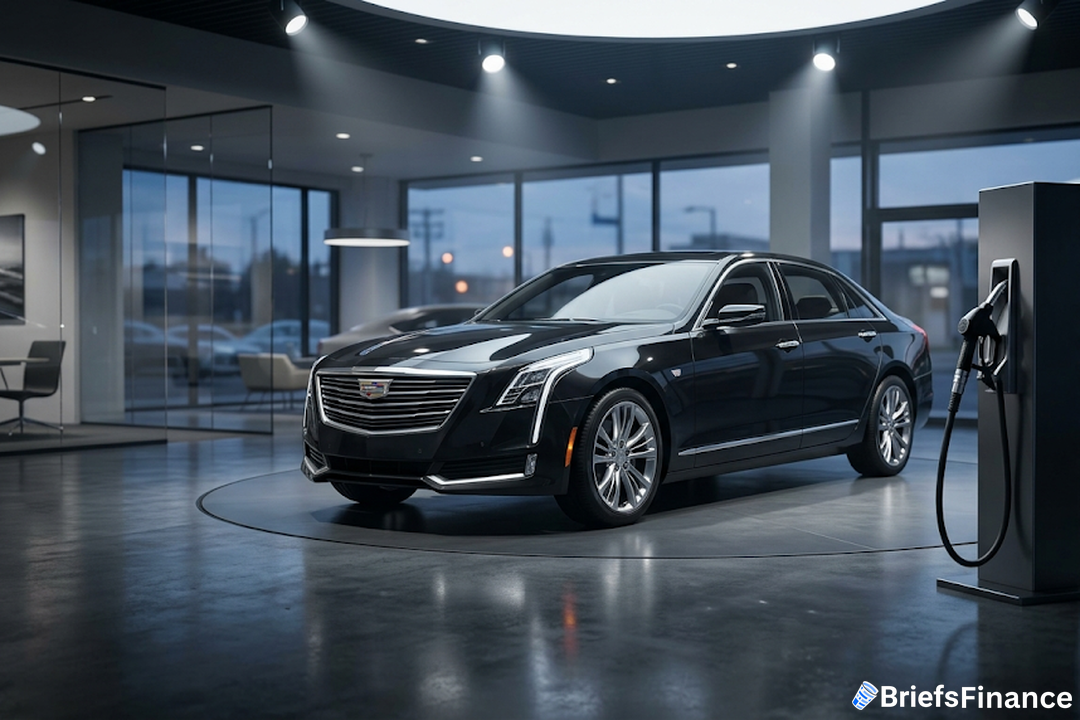
What GM Just Announced
That means new versions of the gas-powered CT5 sedan, the XT5 midsize SUV, and the three-row XT6 SUV are on the way.
This decision marks a departure from GM's previous commitment to make Cadillac a fully electric brand by 2030. Additionally, GM has scaled back its electric vehicle targets for other nameplates and ramped up output of traditional engines, notably V-8s.
This shift reflects broader industry trends as automakers grapple with uneven consumer demand for electric vehicles. GM's substantial financial charges underscore the cost of recalibrating production targets. The company's decision to increase V-8 engine production and postpone its Cadillac EV-only deadline highlights a pragmatic response to current market realities, where gas-powered vehicles still generate consistent profits and buyer interest.
Get the market news that matters in a five-minute read with Market Briefs, our free daily newsletter
The decision represents a significant reversal for GM, which had positioned Cadillac as its flagship EV brand under former CEO Mary Barra's vision. The company's original plan to eliminate gasoline models from Cadillac's lineup by 2030 was part of a broader push toward an all-electric future. However, as EV demand softened and profitability from traditional vehicles remained strong, GM opted to hedge its bets by reintroducing gas-powered models alongside its electric offerings.
Barra reiterated that GM's plans include "onshoring significant manufacturing" starting next year, with the company adding full-size SUV assembly at a Michigan facility that had been intended for electric vehicles. Currently, GM's large SUVs - including the Cadillac Escalade, Chevy Tahoe, Suburban, GMC Yukon, and Yukon XL - are manufactured exclusively at the Arlington Assembly facility in Texas, though that will change as Michigan production comes online.
These latest model introductions further signal GM's retreat from its electric vehicle ambitions. The Detroit automaker had originally aimed to have Cadillac sell only EVs by 2030.
The Broader Context
GM's pivot highlights the difficulty major automakers face in balancing long-term electrification goals with near-term profitability. The $10.9 billion in charges since the second half of 2025 stem from consumer EV demand lagging forecasts and from U.S. policy shifts that relaxed emissions rules and cut incentives for electric vehicles. U.S. policy changes - including relaxed fuel-economy standards and the phase‑out of some EV purchase incentives - have further cooled the market.
Meanwhile, internal combustion vehicles remain highly profitable, especially large SUVs and trucks. GM's decision to repurpose an EV‑designated Michigan plant for full‑size SUV production illustrates how quickly legacy automakers can redirect resources to meet actual consumer preferences. The company has not abandoned electric vehicles entirely; it still plans to offer EVs across most of its brands, but at a slower pace and with less aggressive targets than originally stated.
Investors have reacted favorably to the flexibility, viewing it as a prudent way to protect margins while the EV market matures.
This strategic pivot does not mean GM is abandoning EVs altogether, but it signals a more cautious, demand-driven approach. The company continues to invest in electric vehicle technology and plans to introduce new EV models on a slower timeline, while leveraging its profitable gas-powered lineup to fund the transition.
Join Market Briefs, our free daily newsletter, for a quick daily rundown of the markets