Electric trucks have a price problem. GM thinks the fix is inside the battery.
The Bet On A Cheaper Battery
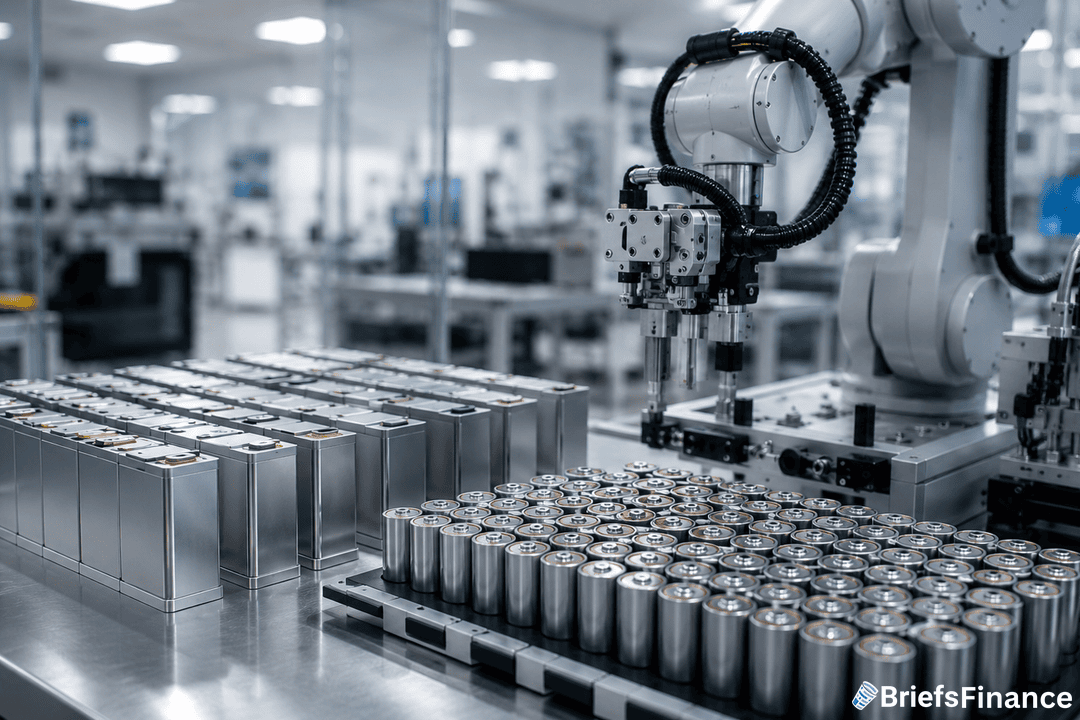
At its tech center outside Detroit, GM just opened a new Battery Cell Development Center. The site sits between the lab and the factory floor.
Its job is simple. It turns new battery ideas into cells GM can build at scale.
Inside, engineers test new recipes in small batches before any factory commits to them.
The center can also tweak a design fast when a test falls short. That speed is the point of building it.
The big idea is a battery type called LMR. The name is short for lithium manganese-rich.
LMR leans on manganese, a cheap and common metal. It uses less of the pricey stuff most EV batteries need.
That swap is the whole point, since it cuts cost without chasing rare materials.
The man behind it is Kurt Kelty, GM's battery chief. He ran battery tech at Tesla before he joined.
Kelty has made LMR his signature bet in his short time at the company. His Tesla past gives that bet extra weight inside GM.
We break down the firms behind big bets like this in Market Briefs. It is a quick read each morning, plus a free investing masterclass when you sign up.
Why $6,000 Matters
The battery is the most costly part of an electric vehicle. Bring its price down, and the whole truck gets cheaper.
That math is why GM is spending $900 million on the new chemistry.
Take the Silverado EV. GM says the switch could cut at least $6,000 from the cost.
And it should keep most of the truck's 400-plus mile range.
A $6,000 cut is real money on a truck sticker. It could pull in buyers who want electric but hate the price.
GM is building the cells with a partner, LG Energy Solution. The goal is to lower EV costs by close to 10%.
The timing helps, since high prices are still the main reason buyers skip electric trucks. EV sales have cooled as drivers balk at the cost. A cheaper truck could help win some of them back.
Range usually drops when a carmaker cuts battery cost. Keeping the miles is the hard part GM is trying to crack.
GM has leaned on its older Ultium battery system for years. LMR is the next step, aimed at the cheaper end of the lineup.
The plan also keeps more of the work at home, with cells made in the United States.
What To Watch
The first cells should come off the line later this year. They are for testing, not for customers.
So the early batches are about proving the chemistry works. GM built the new development center to speed that step up.
The real test comes in 2028. That is when GM wants LMR trucks in driveways, not labs.
If the math holds, a cheaper battery could reset how GM prices its whole EV lineup.
If you like spotting shifts early, read Market Briefs every weekday and get a free 45-minute course on finding investments thrown in.