What's Happening
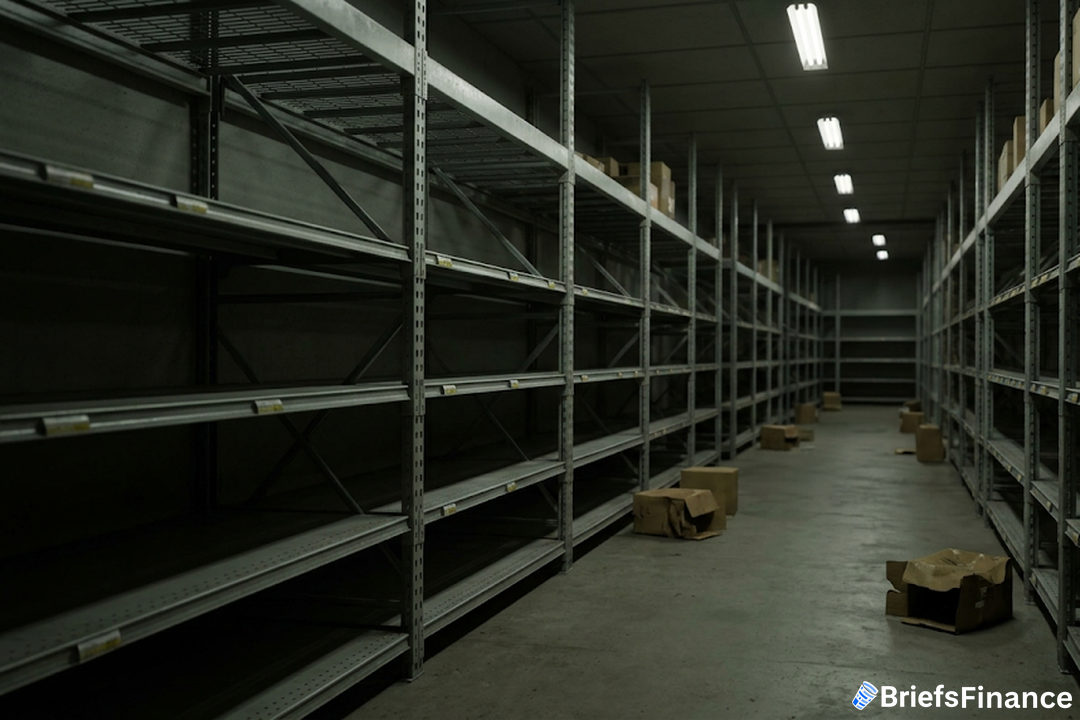
American wine and spirits may not be back on Canadian shelves anytime soon.
Several Canadian provinces are holding firm on their bans of U.S. alcohol, despite another tariff threat from the Trump administration. The bans are costing American producers millions of dollars in lost sales, according to the July 21 report.
Ontario Premier Doug Ford made it personal. "We have to negotiate through strength, not weakness. And we need to throw everything on the table," he said. Ford also called Trump "nothing but a bully."
British Columbia Premier David Eby was even blunter. "There is not a chance in hell that US alcohol is going back on the shelf," he said.
The U.S. Treasury Secretary, Scott Bessent, shot back. He called Canada's policies "highly discriminatory on dairy products, US alcohol" and described the new tariff threat as "just reciprocity to what they've done to our great US companies."
Get the market news that matters in a five-minute read with Market Briefs, our free daily newsletter
Why the Bans Stay
The alcohol bans are not random. They are a bargaining chip.
Provincial leaders want the U.S. to drop sectoral tariffs on autos and steel. Until that happens, they say the alcohol bans stay in place.
According to Prime Minister Mark Carney, each province has the authority to decide whether to lift a ban. And he added a condition: "should only be taken - in my judgment - as part of an overall agreement."
Saskatchewan Premier Scott Moe expects the federal government to eventually ask provinces to remove the bans to help trade talks. "That'll be a decision each province will have to make, but that ask should come from the federal government," he said.
International trade lawyer Mark Warner pointed out a problem with the approach. "The booze ban is problematic because it's kind of a blunt instrument," he said. He also questioned whether a ban was even necessary.
"If Canadians will not buy American bourbon and Californian wine, you don't need a ban," Warner said. "Put it back on the store and nobody will buy it."
Background of the Trade Dispute
The boycott measures were introduced following the onset of a trade conflict initiated by President Trump in the prior year. A number of Canadian provinces, such as Ontario and Quebec, removed American wine and spirits from their government-run retail outlets. The tariffs on Canadian steel and aluminum, along with automotive imports, have been central to the dispute.
The province-run liquor boards have kept the bans in effect for months, creating a substantial blow to U.S. alcohol exports.
Ottawa continues to pursue a broad trade agreement with Washington, and it seems determined to leverage alcohol as a negotiating tool. The U.S. currently has sectoral tariffs on autos and steel.
Join Market Briefs, our free daily newsletter, for a quick daily rundown of the markets