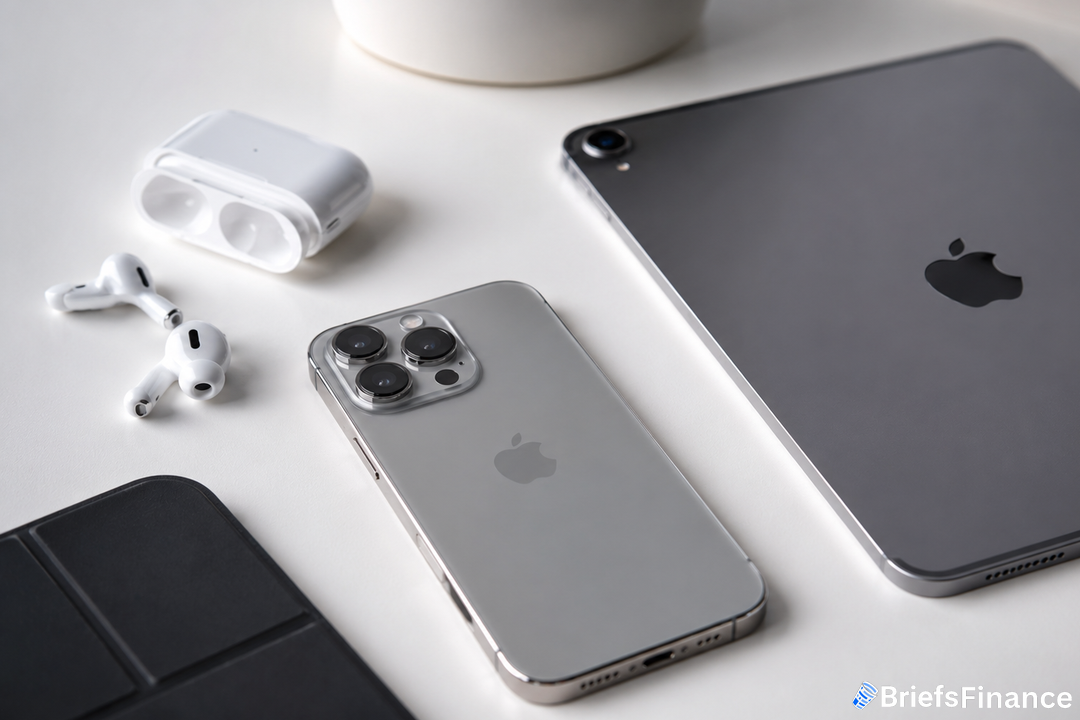
What the Apple Upgrade Program Does
Apple is collaborating with Klarna, a company that specializes in deferred payments, to introduce a fresh lease-to-own offering for its products. According to Bloomberg, the initiative, called Apple Upgrade, will begin on Tuesday, July 28. Customers will be able to spread payments across several years for items like iPhones, iPads, Macs, and Apple Watches.
For iPhones and Apple Watches, the lease duration reaches a maximum of 24 months; for Macs and iPads, it goes up to 36 months. At the conclusion of the lease, customers have the option to keep or return the devices, and they can also upgrade to newer models, which explains the program's name. The Bloomberg report notes that "transactions will incur an additional fee."
Apple currently runs a similar plan called iPhone Upgrade, but it plans to stop accepting new enrollments in that offering to concentrate resources on broadening the more extensive Apple Upgrade product.
Get the market news that matters in a five-minute read with Market Briefs, our free daily newsletter
By expanding beyond just iPhones, Apple's new Upgrade program represents a significant shift from its earlier, more limited approach. The partnership with Klarna, a prominent player in the deferred‑payment and buy‑now‑pay‑later space, enables Apple to offer these leasing options without taking on direct credit exposure.
Industry observers note that the program's timing - just after Apple's price hikes due to the memory chip shortage - suggests a deliberate effort to maintain sales volumes despite higher device costs. With CEO John Ternus at the helm and a legal battle with OpenAI unfolding, Apple faces multiple challenges, making the Upgrade program a key component of its near‑term strategy.
Why Apple Is Doing This Now
Apple has faced supply chain challenges due to "RAMageddon," an industry‑wide scarcity of memory chips that is pushing hardware costs higher. The AI sector is the primary driver of these shortages, consuming such vast amounts of memory that little remains for other uses. In response, Apple recently revealed plans to increase prices, and the Upgrade program appears intended to ease the impact on customers facing higher costs.
The decision to partner with Klarna also reflects Apple's desire to offload credit risk while still offering flexible payment terms.
Klarna's established infrastructure for buy-now-pay-later transactions allows Apple to scale the program quickly without building its own lending capacity. This arrangement frees Apple to focus on hardware and software while Klarna manages the financial side, a logical division given Apple's recent legal distractions.
The prior iPhone Upgrade program, which only covered iPhones, is being phased out to make room for this more inclusive offering. Customers currently enrolled in the old program can continue until their lease ends, but new sign-ups are being redirected to the Apple Upgrade plan. This transition underscores Apple's ambition to capture a wider audience by spreading costs across multiple device categories, especially as price sensitivity grows among consumers.
Join Market Briefs, our free daily newsletter, for a quick daily rundown of the markets