Sherritt International Corp. reported that its capacity to repay or renegotiate its debt is now in question, with the company describing the outlook as "remains uncertain." Under the credit agreement, lenders are permitted to call a default and force immediate repayment due to the U.S. president's directive aimed at foreign firms doing business in Cuba, Sherritt stated in its interim results released Thursday. The company acknowledged it lacks sufficient cash to satisfy that demand if lenders choose that route, and would have to obtain other financing. Moreover, bondholders could similarly demand early repayment.
In May, following Trump's executive order, it postponed its first-quarter earnings release, and both its CFO and auditor resigned. Sherritt had first intended to dissolve its partnership with a Cuban government-run company and exit the nation, but later disclosed it had secured a tentative deal to transfer a majority stake to Gillon Capital LLC, a Texas-based family office helmed by a former Trump adviser.
Get your free investing masterclass bonus when you join Market Briefs, our free daily newsletter
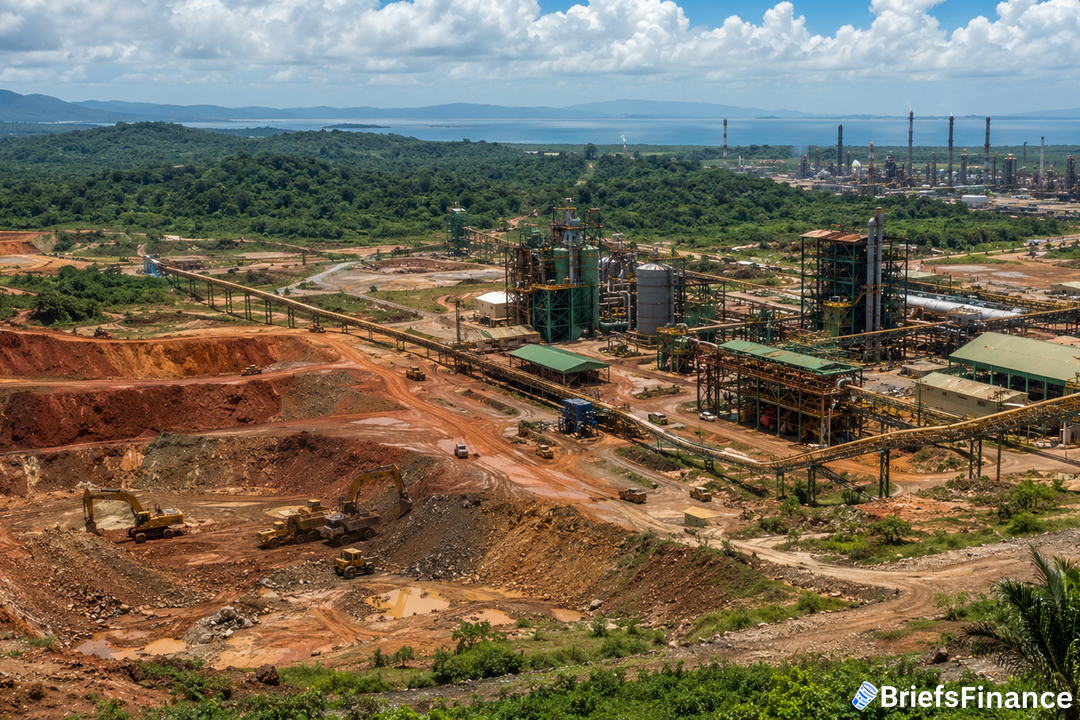
Though the Canadian company began exclusive negotiations with Gillon earlier this month, its Cuban operations remain idle. This week, Sherritt said it was shutting down its Alberta refinery - only one of three North American facilities that process nickel, and the sole one that refines cobalt - because its Cuban raw material supply had stopped.
Sherritt has been a major player in Cuba's mining sector for over two decades, and the deterioration of its position underscores how renewed U.S. sanctions under Trump have disrupted not only the island's economy but also critical North American supply chains for battery metals. The Alberta refinery, which depends on Cuban ore, plays a vital role in producing nickel and cobalt used in electric vehicle batteries and aerospace alloys. Sherritt's struggles also highlight the fragility of sourcing strategic minerals from politically volatile regions, a concern that has grown amid global efforts to secure domestic supply chains.
The company's long presence in Cuba has made it a target of U.S. foreign policy shifts, and the current crisis threatens to sever a key link in North America's battery metals supply chain. Without Cuban ore, the Alberta refinery cannot operate, leaving automakers and aerospace manufacturers with fewer domestic processing options. This disruption comes as governments push to onshore critical mineral production, exposing the gap between policy ambitions and the reality of existing infrastructure.
The company "has and will undertake numerous initiatives available to it to continue to strengthen its financial position and enhance liquidity," Sherritt said. Among the measures listed were reducing costs and staffing levels, cutting capital spending, deferring payments, and securing a recent equity injection.
Subscribe to Market Briefs, our free daily newsletter, and claim your bonus investing masterclass