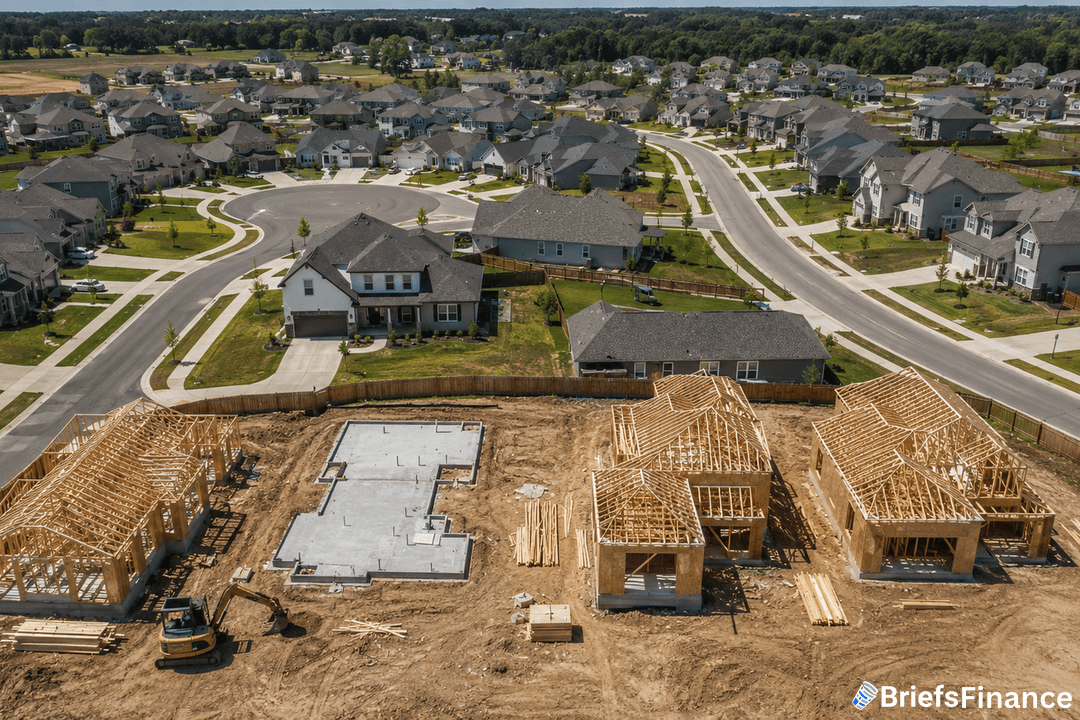
For years, Wall Street firms have been buying up single-family homes. Then they rent them back to the people who used to buy them.
On Monday, the Senate moved to slow that down. It passed the bill 85-5, a rare show of agreement in a split Congress.
What The Bill Does
The headline piece is a cap. Big investors won't be able to buy more than 350 single-family homes.
Private equity firms pool investor money to buy up assets. They've become a growing force in housing.
Senator Tim Scott called the housing crunch real and growing. He said starter homes have gotten too hard to find.
But the real muscle of the bill is on supply. It eases building rules and rewards towns that add homes.
It also ties federal grant money to new supply. And it funds turning empty units into housing.
The grant money flows to places that approve more homes. The goal is to reward building, not block it.
That matters because the core problem isn't who owns the homes. It's that there aren't enough of them.
Capping investors without building more is like adding one lane to a jammed highway. It helps a little, but it doesn't clear the traffic.
We track what moves housing, rates, and your money every morning in Market Briefs, and joining comes with a free investing masterclass.
The Part That Got Watered Down
An earlier version had sharper teeth. It would have forced big investors to sell new units above the cap within seven years.
Lawmakers worried that rule would scare off the building the country needs. So they cut it.
What's left keeps the cap but drops the forced-sale clause. It's a compromise between two versions of the bill.
The House version was friendlier to Wall Street. The Senate version was stricter on big investors.
Lawmakers fought over those limits for months. They worried tight rules might choke off new building.
Senator Elizabeth Warren led the package with Senator Tim Scott. She called it the biggest housing bill since 1990.
What To Watch
Back in 1990, the average US home sold for about $150,000. Today it's over $500,000.
The House votes later this week, and the President has signaled support. So the odds of it becoming law look strong.
Both parties also want a cost-of-living win before the midterms. That gives the bill extra momentum.
The cap targets the biggest buyers, those holding 350 single-family homes or more. Most landlords own far fewer than that.
For investors, the takeaway is the supply push, not the cap. Building 4.7 million homes is the fix everyone agrees on.
For renters, more homes could slowly ease rents. For investors, homebuilders may gain more than big landlords.
Renters have waited years for relief. This bill is a first step, not a cure.
The cap grabbed the headlines. The building is what moves the market.
Join Market Briefs for the daily five-minute market read, and grab a 45-minute investing course free on your way in.