In January, Trump moved to cut off Cuba's fuel.
By mid-May, US exports to the island were almost triple all of last year. Both things are true at once.
It is a rare case of trade booming and getting blocked at the same time.
A Blockade With A Side Door
On January 29, the White House called Cuba a national threat. It then set up a fuel blockade.
That move cut Cuba's fuel supply by about 90%.
Fuel is life support for Cuba. It runs the power plants, the buses, and the trucks.
The island normally needs about 100,000 barrels a day. The blockade pushed that supply off a cliff.
The squeeze traces back to Venezuela. The US blocked its oil to Cuba earlier this year.
Cuba has lived through long blackouts this year. The fuel crunch only made them worse.
But the policy left a side door open. US suppliers can still sell to private firms and to people there.
The one rule is clear. The fuel cannot go to the government or the army.
Secretary of State Marco Rubio laid out the goal. He said the plan puts the private sector and everyday Cubans first.
In plain terms: squeeze the regime, not the corner bakery.
We make sense of stories like this and what they mean for markets every morning in Market Briefs, five minutes a day, plus a free investing masterclass when you join.
What's Actually Getting Through
Fuel leads the way, but it is not alone. Fridges, furniture, food, and cars are crossing over too.
Early in the year, US suppliers shipped about 30,000 barrels of fuel to private buyers. That is roughly 1.27 million gallons.
The flow is still small next to Cuba's needs. But it is growing fast, week by week.
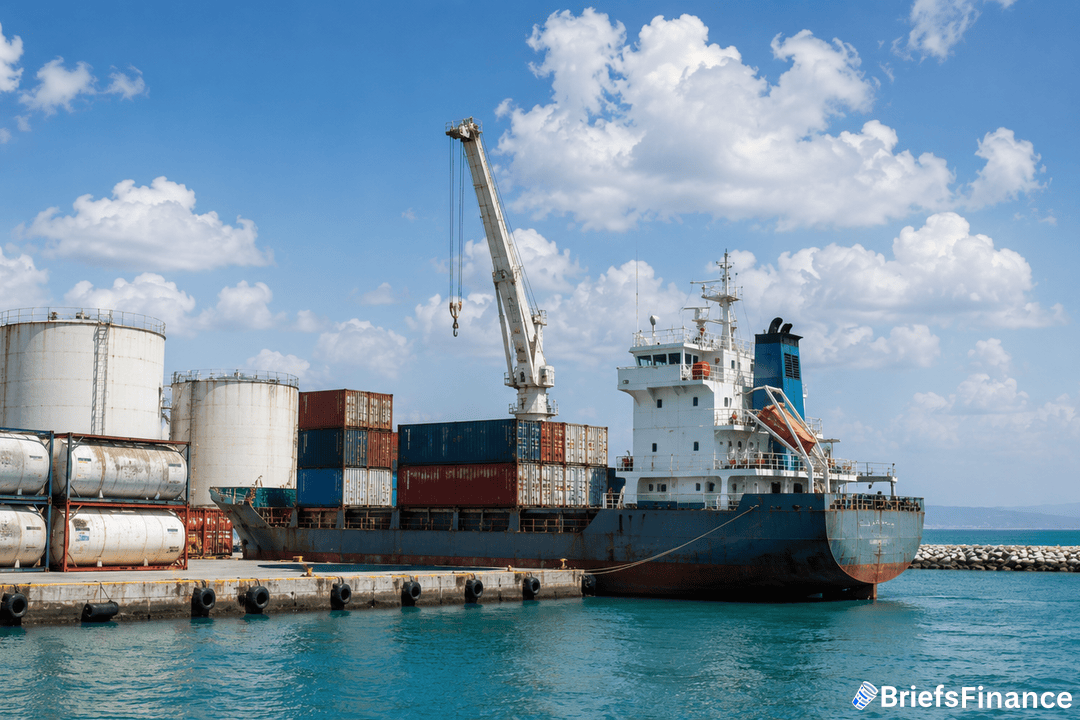
About 61 container ships have reached Cuba this year. That is down from 75 a year ago.
Most dock at the port of Mariel, west of Havana. The fuel arrives in large steel tanks.
Around 200 of those tanks have been unloaded so far. Almost all hold diesel.
Why diesel? Gas catches fire more easily and is harder to store safely on the island.
The buyers are small firms. They include bakers, wholesalers, and the online grocer Supermarket23.
That grocer had paused orders during the crunch. It started taking them again once fuel began to flow. Reuters first reported those private shipments.
One Florida company even cut a deal to rent storage space on the island. That single load could be the biggest US fuel shipment to Cuba since the 1960 embargo.
Worth Noting
Rubio gave a warning, too. Any firm caught sending fuel to the government or army loses its license to sell.
It is the latest twist in a year of shifting trade deals and sanctions.
The shift also comes as oil prices climb worldwide. That makes every barrel that gets through worth more.
For now, trade keeps finding the gap, one ship at a time.
If you like seeing how trade and policy move markets, join 350,000+ investors reading Market Briefs. You also get a 45-minute investing course as a bonus.