SpaceX just went public in the biggest IPO ever. It's already worth more than $2 trillion.
That's for a business that lost almost $5 billion last year. Both things are true, and Wall Street can't agree what to make of them.
The Debut
An IPO is when a private company sells its stock to the public for the first time. SpaceX priced its shares at $135.
By Friday's close they sat near $161, a 19% pop. Monday added about 10% more.
The trading was huge. More than 500 million shares changed hands Friday, close to Facebook's record debut back in 2012.
The buying kept going on Monday. About 120 million shares traded by midday, and the stock still pushed higher.
We unpack the IPOs everyone's talking about in Market Briefs, five minutes a day, plus a free investing masterclass when you sign up.
Wall Street Can't Agree What It's Worth
Here's where it gets strange. Analysts looking at the same company landed miles apart.
NewStreet Research started at a $165 target. It said you have to judge SpaceX over 20 to 25 years, not the usual few.
CFRA went the other way with a "sell" rating and a $115 target. Morningstar was harsher still, valuing the stock at just $63.
The bull case rests on the future. Elon Musk posted that SpaceX could reach $1 trillion in yearly sales by 2030 or 2031.
It made $18.7 billion last year.
The Catch
SpaceX is now one of the most valuable public companies in the country. It runs Starlink, the satellite internet service, plus a fleet of reusable rockets.
In February, Musk merged it with his AI startup, xAI. That helps explain where the money is going.
SpaceX spends like few companies on earth. It dropped $10.1 billion in just three months this year, most of it on AI.
Put another way, investors are paying today for promises that pay off 20 years out. One finance lecturer was blunt, saying the company is selling "promises" and "poetry" and owes investors more detail.
What To Watch
SpaceX does have a real lead. One analyst thinks it will control 90% or more of the world's launch capacity for years.
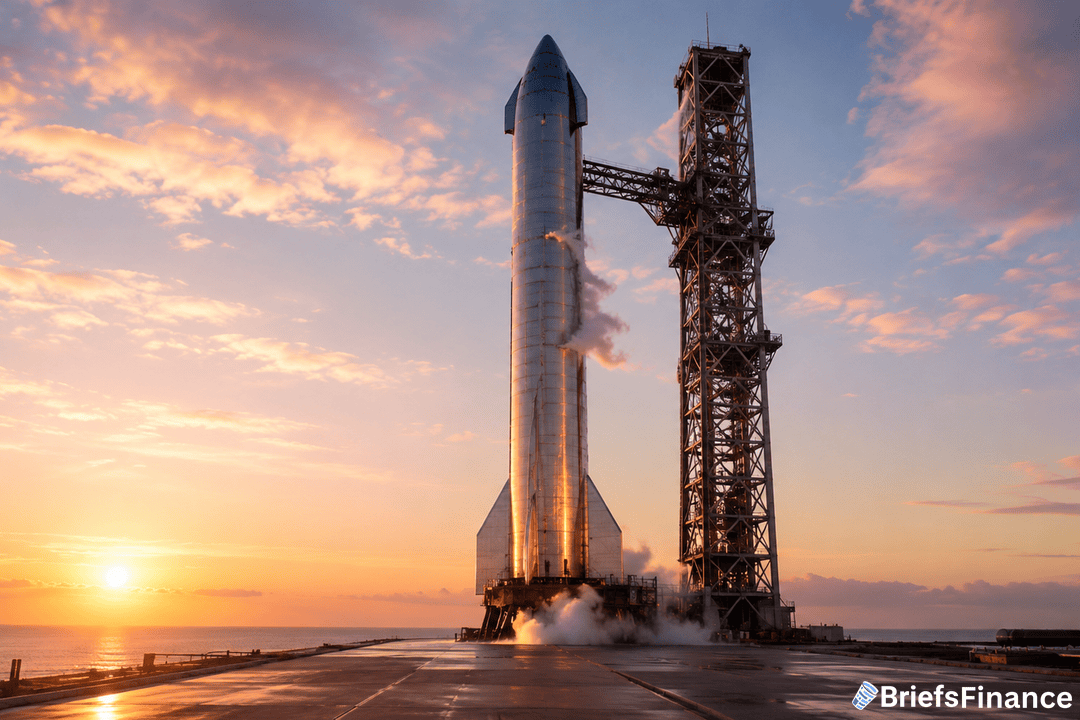
Its bigger plans include Starship, its newest rocket, and data centers built in orbit for AI. Those are the bets behind the price.
The argument isn't whether the rockets work. It's whether $2 trillion is the right price for a company whose biggest promises are a decade or two away.
If you like watching these debates play out before the crowd catches on, read Market Briefs each morning and grab the free 45-minute investing course that comes with it.