The Crossing, Then the Pause
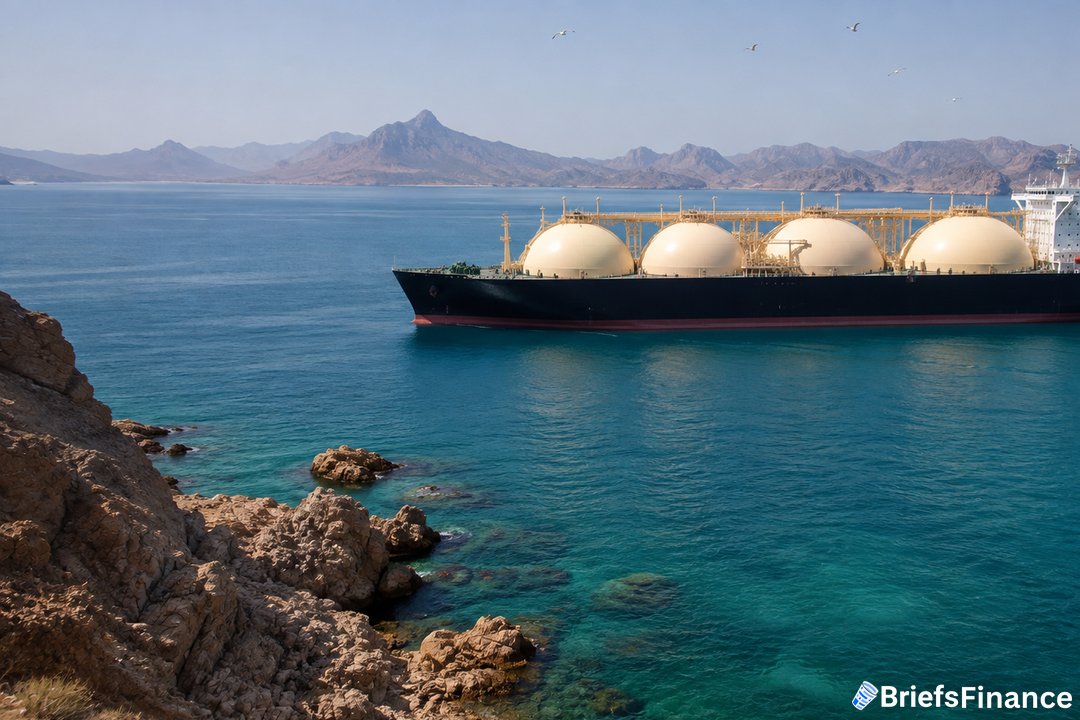
The Al Areesh crossed the Strait of Hormuz early Thursday, marking the first Qatari LNG shipment through the waterway in more than three weeks. Washington said it had no role in steering the vessel.
Before Thursday, the Al Areesh had waited in the Persian Gulf after loading at the Ras Laffan terminal in Qatar in early July. It moved through Hormuz in the early hours of Thursday with its transponders active and Pakistan listed as its destination.
Tracking data show the Al Areesh halted once it cleared Hormuz. One person with knowledge of the situation said Iran had ordered the tanker to hold and not move toward Pakistan.
On Friday, U.S. Central Command spokesman Captain Tim Hawkins said, "American forces had no part in the ship's diversion." QatarEnergy did not reply right away to a request for comment.
Why Pakistan Is Watching This Ship So Closely
Pakistan relies on Qatari LNG for nearly all of the gas it purchases to run its power plants. An additional delay would therefore intensify the country's energy shortages.
Get the market news that matters in a five-minute read with Market Briefs, our free daily newsletter
Pakistan's spending on LNG purchased at short-notice prices has exceeded $400 million since deliveries scheduled for late February were canceled. That spending shows how costly it is for Pakistan to replace delayed Qatari gas with cargoes bought at short notice.
Pakistani officials reached out to Iranian counterparts to try to guarantee that one Qatari cargo could get through, according to people familiar with the talks. The fact that they made such an appeal underscores how closely Pakistan's power supply is tied to the swift movement of a single tanker.
QatarEnergy, one of the world's largest LNG producers, invoked force majeure earlier this week on shipments meant for European and Asian customers. The announcement raised new doubts about fuel availability in both regions just as they were trying to stock up before winter. Force majeure is a legal clause that lets a supplier stop deliveries because of circumstances beyond its control, and the move itself signaled that Qatar saw a real risk to its export schedule.
Natural gas futures were listed at $2.76, up 0.04% on the day in late trading.
Market Context
The Ras Laffan terminal, where the Al Areesh loaded, is the export point for the cargo Pakistan is waiting to receive. Since Pakistan buys most of its LNG from Qatar, a prolonged hold on one tanker can affect its power supply.
With the Al Areesh still holding near Oman, attention remains on how quickly the cargo reaches Pakistan and whether other Qatari shipments can move through the strait without further disruption.
The Strait of Hormuz is a vital passage for Qatari LNG exports. When tankers are stopped or rerouted, buyers in Asia and Europe have less time to fill storage before winter. The Al Areesh's Iran-ordered pause adds another reason to watch the strait.
If the tanker is allowed to proceed in the next few days, Pakistan may avoid the worst of the disruption. Any longer delay, however, would force Pakistan to seek more expensive spot cargoes or reduce power generation. The next milestone will be whether the Al Areesh leaves Omani waters and resumes its voyage toward Pakistan.
Join Market Briefs, our free daily newsletter, for a quick daily rundown of the markets