Stock under pressure ahead of earnings
Alibaba's Hong Kong listing is on track for a 10th consecutive decline ahead of results due later Thursday. Its market value is about $204 billion, which is now under half the level from a little more than a year ago, a time when investors were wagering it would spearhead China's AI push.
The concern is twofold: new chip constraints and the company's ability to execute on AI. "For Alibaba, they depend heavily on access to computing power, so this will be an important setback," said Matt Maley, who is chief market strategist at Miller Tabak. "It's likely going to create a situation where it will take longer for them to build an ecosystem that can compete with the most advanced American technology."
The chip squeeze and who gets hit
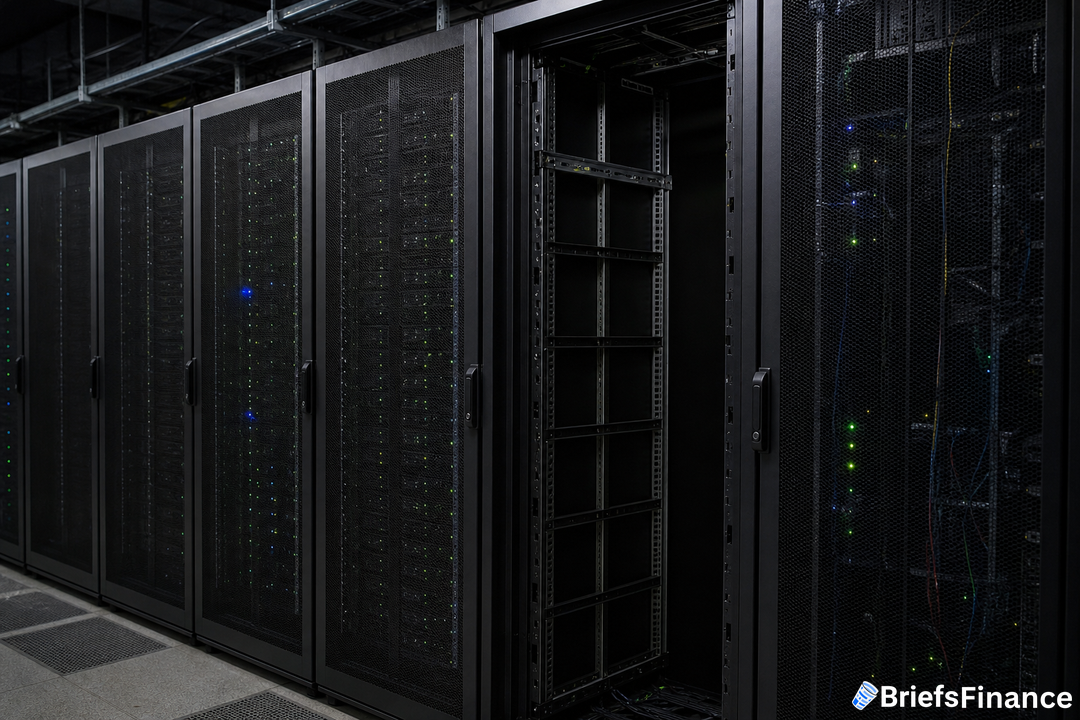
Draft U.S. rules announced Monday aim to stop Chinese companies from renting cutting-edge chips at overseas data centers. Chinese companies such as Alibaba are already barred from purchasing the highest-end processors outright, and Nvidia announced this week it has stopped sending lower-end Hopper data-center chips to China.
Alibaba's plan to reach 20 gigawatts of data-center capacity before 2032 partly depends on expansion in markets like Southeast Asia. In-house chips from its T-Head unit can help, but they still lag Nvidia's top-tier products.
When technology and finance intersect, staying informed matters, so sign up for the free Market Briefs newsletter today
Nomura analysts including Jialong Shi wrote that "Independent AI labs, perhaps with the exception of DeepSeek, could face greater challenges in securing advanced Nvidia GPU capacity to train their next-generation models." They also noted that, thanks to existing GPU pools and healthier balance sheets, Alibaba and ByteDance could be comparatively resilient, and they expect the top hyperscalers to weather conditions more effectively overall.
What the sell side is watching
Analysts at JPMorgan Chase & Co., led by Alex Yao, believe the rule targets China-based cloud operators with overseas businesses, and they put AliCloud's overseas AI revenue at under 10% of its cloud revenue, suggesting only a modest direct impact on sales. They maintain an overweight rating on Alibaba. The shares trade around 10 times forward earnings estimates, down from a three-year average near 13 and in line with valuations at Tencent and Baidu.
Investors will also assess if Alibaba's fast-growing cloud division, responsible for 18% of total revenue during the June quarter, can offset ongoing e-commerce pressures stemming from subdued Chinese spending and intense rivalry. Among peers, Tencent's results after Wednesday's close indicated profits were dragged lower by hefty AI spending, and it warned that Washington's restrictions on Chinese firms reaching overseas data centers are set to slow development of its next AI model.
The bottom line for investors
The proposed U.S. rules and Nvidia's shipment halt narrow Alibaba's access to compute just as it pushes deeper into AI, and that pressure is showing up in the share price. Watch tonight's results for clues on cloud momentum versus e-commerce drag and any updates on how management plans to navigate chip constraints.
Markets evolve constantly, so get a clear daily snapshot by subscribing to the free Market Briefs email newsletter