What happened
Intel struck a deal to acquire Classiq Technologies to accelerate its bet on quantum computing, a young field still searching for commercial use cases. The chipmaker did not reveal the purchase price and said the update arrived shortly before its third-quarter earnings report on Thursday. The companies expect the deal to wrap up in the first half of 2027.
Classiq's software lets customers generate executable, testable programs that run on any quantum hardware, giving enterprises a way to probe where quantum might help their operations. Among its customers are BMW AG and AT&T Inc.
Why Intel is making the move
Intel says the purchase strengthens its quantum hardware efforts and should make its technology easier to deploy inside quantum computers. "Joining forces with Classiq transforms Intel's Quantum Computing Group into a full-stack quantum computing business," Chief Executive Officer Lip-Bu Tan said. Under Tan, Intel has steadied its strained finances and is now trying to claw back ground in artificial intelligence computing.
Classiq provides access to purpose-built AI tools for vetting quantum's usefulness and will keep helping customers build code for multiple quantum platforms, even when the hardware comes from Intel's competitors. "This revolution is about the shift from science to engineering," said Classiq CEO Nir Minerbi, who co-founded the company in 2020. "When you think engineering, you think Intel."
When technology shifts reshape industries, sign up for the free daily Market Briefs to get clear market context quickly
Where quantum fits now
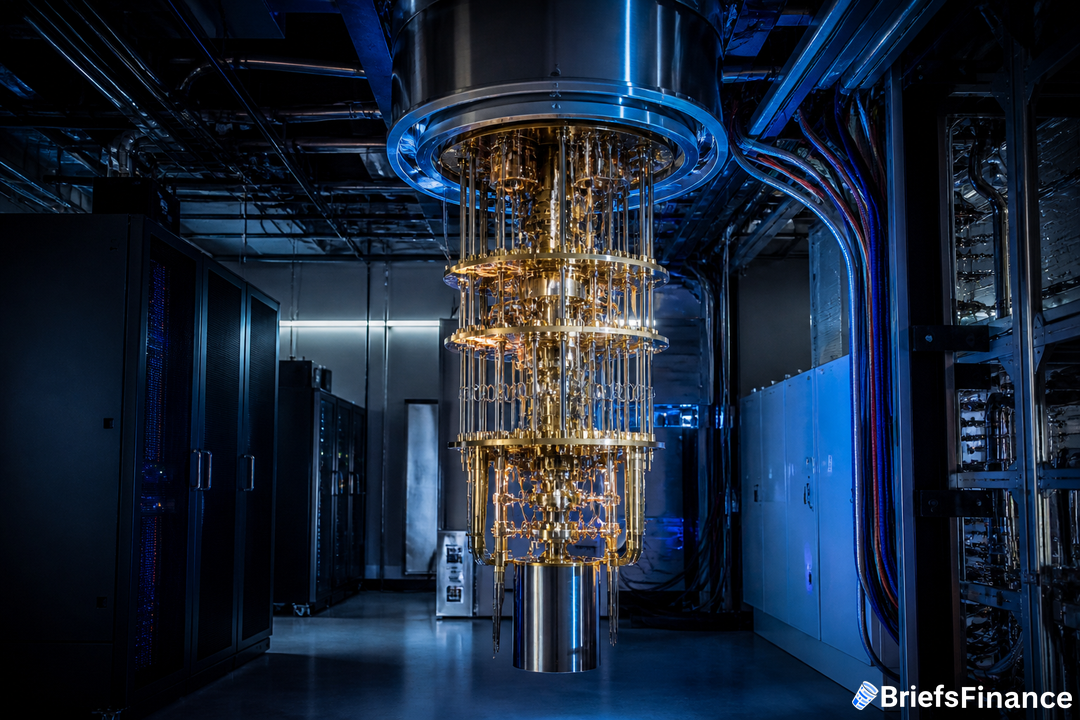
Quantum computing uses subatomic particle effects to accelerate data crunching, but the machines are complex, hard to scale, and the industry remains early. Big tech is still exploring where the technology provides an edge over traditional processors.
Intel has spent more than a decade trying to turn its silicon manufacturing strengths into a role in quantum, focusing on a technique called spin qubits. The company expects quantum parts to work alongside classical computers rather than replace them.
Staying on top of fast innovation takes time, so subscribe to the free Market Briefs newsletter for quick daily context