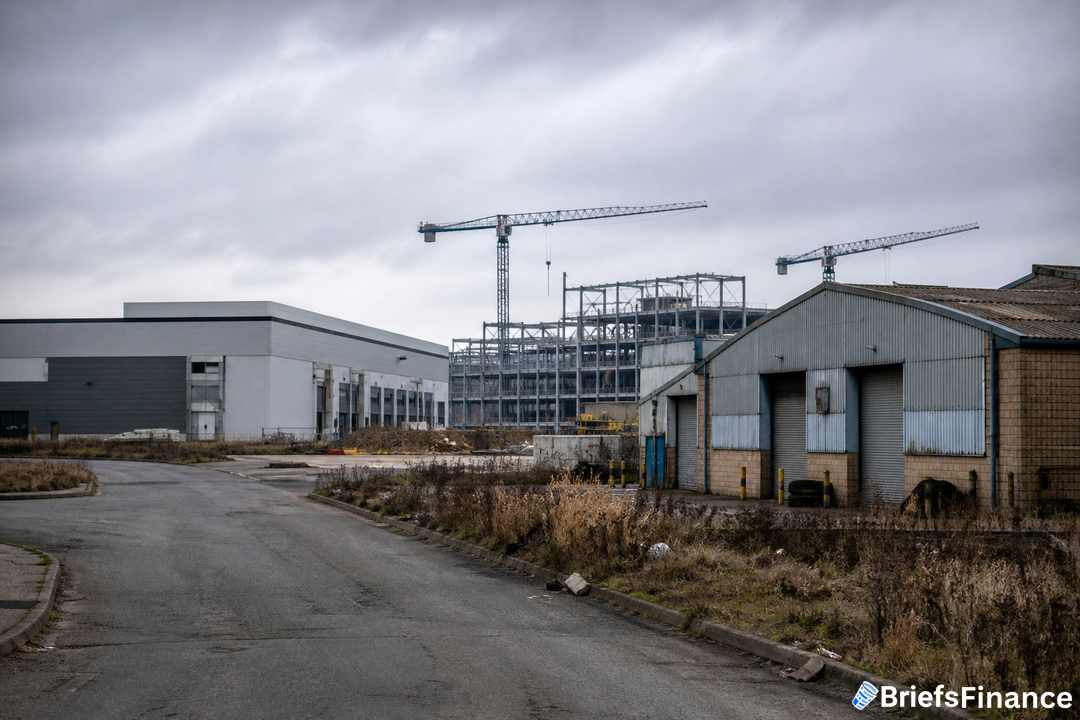
A big promise, and a credibility test
He repeated that at Labour's annual conference last month and has said a 10 year plan for the UK is due within weeks.
But days before John Healey's debut budget, Labour MPs said the effort lacks pace and bite, and that ministers are not yet aligned on investing beyond city based services. Their worry: the rhetoric runs ahead of the machinery to shift the economy toward making things again.
What MPs want built, not just said
Andy MacNae, a Labour MP who leads the party's Reindustrialisation Research Group, said there is "a long term economic orthodoxy in the country wedded to the idea of a service economy and buying stuff cheaply." He added that government attention "on GDP growth, which is primarily created in cities" leaves out the places that need jobs the most. He warned against simply reworking a recent industrial strategy - saying it "doesn't deliver jobs in places that have been left behind" - and argued that the UK should guarantee homegrown sources of fuel, critical raw minerals, energy, food and fertilizer.
MacNae's group sent a letter to Healey asking for an expanded British Industrial Competitiveness Scheme, which cuts electricity bills for around 10,000 manufacturers. They want it expanded to all areas of manufacturing and to include mining and quarrying, and they pressed Burnham to set a goal of one million production jobs over the next decade.
Lorraine Beavers, the MP for Blackpool North and Fleetwood, said she would support plans to invest in infrastructure, arguing the lack of it has hurt industry locally.
When policy promises meet scrutiny, staying informed matters, so subscribe to the free Market Briefs newsletter for concise daily market and policy updates
Steve Yemm, MP for Mansfield, urged the government to "turn ambition into practical action," building capacity in new sectors while supporting traditional ones. He said "energy costs are one of the biggest barriers to investment and growth," and called for more help. "Affordable energy and a fair approach to carbon costs matter across the board," he said.
Henry Tufnell said energy production underpins both his southwest Wales constituency and national energy security. He warned a refinery in South Pembrokeshire "has been hit really hard by carbon taxes," risking "offshoring of emissions to a third country where there is lower environmental regulation and we just lose jobs." While he criticized a lack of urgency from officials and some ministers, he called the go-ahead for the Jackdaw gas project in the North Sea a positive sign and noted emerging policy signals of a more pragmatic stance.
What the government says it is doing
"This is supporting both manufacturing and services to drive economic growth in every postcode," the government said, adding, "We are backing manufacturers by cutting electricity costs and investing in industries from automotive and defense to space and critical minerals."
Allies of Business Secretary Jonathan Reynolds said he is fully behind the prime minister's aims, pointing to moves on steel nationalization and recent auto investment wins involving McLaren, Bentley and Nissan. People familiar with the plans said Reynolds is expected to lay out more on the industrialisation approach in the coming months.
The investor angle
For portfolios tied to UK manufacturing, energy, or infrastructure, the budget and the coming 10 year plan will set the tone for subsidies, power costs and where capital lands. MPs are pushing to widen electricity relief to all manufacturers, mining and quarrying, while the government points to a large flow of private investment since last July. The bottom line: watch how the next set of policies balances shiny new sectors with the industries that still anchor jobs outside big cities.
Across regions and industries, context helps, so sign up for Market Briefs to get bite sized daily explanations of markets and policy