What changed and why
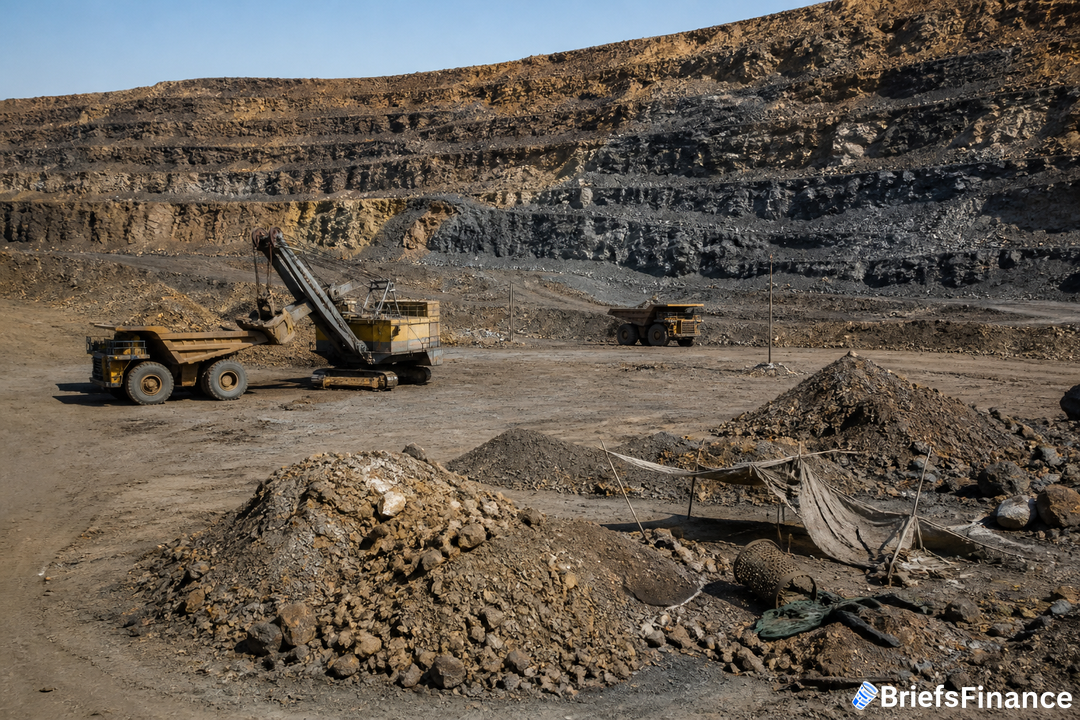
The Democratic Republic of Congo suspended the official overseeing artisanal mining as it tightens control over copper and cobalt concessions. A decree seen by Bloomberg shows Mines Minister Louis Watum removed Jean-Paul Kapongo Kadiobo from SAEMAPE on Oct. 21, faulting him for not stopping "illicit artisanal mining" inside permits held by other firms and for having "irregularly installed" SAEMAPE tax collectors in those areas.
SAEMAPE is the state body tasked with supervising and formalizing small-scale mining in the world's second biggest copper supplier and the top source of cobalt used in batteries. Local media also reported the suspension of the agency's provincial head in Lualaba, whose capital is Kolwezi. Kapongo Kadiobo did not immediately respond to calls and emails seeking comment.
The enforcement sweep
Authorities detained roughly 300 Chinese nationals in actions largely centered on Kolwezi, Bloomberg reported on Oct. 16, part of a broader crackdown on illegal mining. Chinese companies involved in mining and processing account for most of Congo's copper and cobalt output, metals that frequently occur together.
Tensions rose around Kolwezi last week, with local media describing barricades, tire burning and clashes with police. The artisanal trade supports hundreds of thousands of Congolese and often takes place inside industrial licenses, sometimes with protection from members of the armed forces, which complicates enforcement.
When global commodities and local developments feel complicated, stay informed with our free Market Briefs newsletter that explains it simply
The cleanup plan
Lualaba governor Fifi Masuka said on Oct. 21 that a commission sent from Kinshasa is in Kolwezi to "clean up our mining environment." The team's mandate is to pull security forces out of mining areas, scrutinize processing facilities, and relocate artisanal workers into designated zones.
On Oct. 23, the government finalized an agreement to move more than 20,000 miners out of Kamilombe, a prominent site on a Gecamines permit, and into a newly designated artisanal zone. The artisanal side has also shifted toward heavier equipment in recent years, with more crushers and excavators, a trend the International Peace Information Service said in a report published last month is largely financed by foreign investors.
What it means for investors
Congo's copper and cobalt fields are dominated by foreign operators including CMOC Group, Glencore and Zijin Mining. Moves to relocate large artisanal workforces, demilitarize sites or audit plants can change on-the-ground risk and, by extension, production rhythms on licensed assets. The bottom line: watch company disclosures and provincial updates from Kolwezi for signs of access changes, plant inspections or labor shifts that could affect output and deliveries.
Even when headlines focus on regional shifts, get concise context from the free Market Briefs newsletter delivered in minutes a day