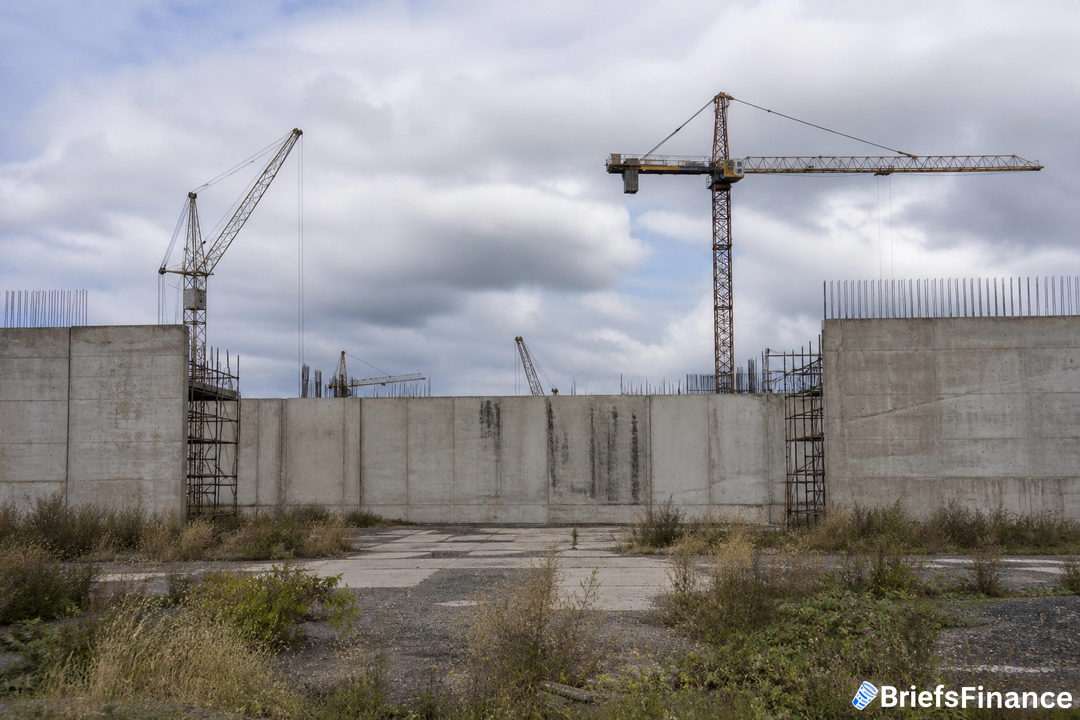
From sound stages to servers
The Atlanta studio behind Loki and Cocaine Bear, backed by Silver Lake and Commonwealth Asset Management, wants to swap a planned sound stage expansion for a data center in DeKalb County. The concept is a 1.1 million square foot facility with power needs up to 651 megawatts. Shadowbox contends the highest-and-best use for the parcel is a data center, estimating 275 permanent jobs and over $130 million in tax revenue for the community.
There is no tenant yet, so whether the site leans into AI workloads or traditional cloud remains unclear. The company says the expected electricity demand lines up with the country's largest AI facilities. The pivot comes as the entertainment business cools.
In 2026, Georgia's outlay on film and TV productions fell to a 10-year low, and a tax incentive era that nearly doubled Atlanta's sound stage inventory between 2020 and 2026 has faded. "There would be two or three different movies being made at the same time," said Tom Harrold, a film industry lobbyist who helped shape the state's film tax credit. "But those days are over."
New rules, a frozen timeline and a courtroom fight
DeKalb County has spent more than a year wrestling with how to regulate data centers. A fresh proposal would define what counts as a facility and, in practice, block the largest cloud computing providers. According to Decaturish, CEO Peter Rumbold supported having rules in place but objected to size limits that would bar Shadowbox's 1.1 million square foot plan. After this week's meeting, the commission delayed a vote until November.
A countywide moratorium is still in effect. Shadowbox filed suit, asserting it had been informed the project could move ahead prior to the freeze. Its attorneys are likewise contesting a September denial of a bid to amend its 2022 land disturbance permit.
When local development choices affect broader economic debates, stay in the loop with our free Market Briefs newsletter and sign up today
To lift the moratorium, the county says it must establish zoning rules and carry out an environmental impact study. First up is agreeing on what even constitutes a data center. Some residents want an even tighter definition before the measure goes to the community board in November.
With the dispute now before Superior Court, Emory University real estate scholar Dave Fagundes said the key issue is whether prior assurances establish vested rights under Georgia law. "It's a real close argument," he said. "But I don't think it's a slam dunk."
Community pushback and what residents want instead
"This issue of data centers is the issue of the century," said Ted Terry, who serves as commissioner for Super District 6, which includes the South DeKalb area that is the proposed site. "I've only been in elected office for 13 years and I've never seen so much public engagement, public concern." Residents point to a majority Black community that "has unfortunately been dumped on for industrial development," citing fights over a biomass plant, an asphalt factory, a landfill and an AI enabled police training complex. "We're tired of that kind of development coming to our communities," said South DeKalb resident Gina Mangham, who wants new facilities capped around 100,000 square feet and would prefer basics like grocery stores and restaurants.
Shadowbox says it is open to a community benefits agreement and is proposing a closed-loop cooling setup designed to leave municipal water supplies materially unaffected. Some residents counter that a data center does not deliver the same lift as the now shelved studio expansion, which they recall as promising more than 2,000 permanent jobs.
The AI buildout meets Georgia politics
Studios are finding workarounds - refitting sound stages as pickleball courts and as spaces for bat mitzvahs and concerts - as the AI surge drives worldwide competition to construct data centers that run tools like ChatGPT and house everything from email to streaming video. Shadowbox backer Silver Lake is closely connected to that expansion, investing in a studio focused on generative AI for film and animation and holding stakes in Vantage Data Centers, Dell Technologies Inc. and chipmaker Altera. Silver Lake did not immediately provide a comment when asked.
In Georgia, this fight is bigger than one project. Statewide, there are over 40 local moratoria and similar restrictions currently on the books, and a recent nonprofit survey reported that 83% of residents back a short-term statewide halt. For anyone living near the proposed site, the question is straightforward: what kind of development they want in their backyard, and what trade offs they are ready to live with as AI era infrastructure looks for a home.
Because planning decisions can touch jobs and taxes, get a clear daily snapshot by subscribing to the free Market Briefs