The 2027 setup in one glance
A Bloomberg News survey of seven analysts signals a roughly 3% pullback in combined palm oil output from Indonesia and Malaysia next year. The breakdown: Indonesia is seen at 49 million tons and Malaysia at 19.5 million tons in 2027. The expected dip ties back to yields that typically weaken with a lag after hot, dry spells, and this year's conditions have been unusually harsh.
For now, the market is cushioned. Palm oil futures in Kuala Lumpur slipped as much as 2.3% on Friday, touching a two-month low. In Malaysia, stockpiles are already at their highest in 2026, and inventories could top 3 million tons by year end as production crests and demand stays soft.
Why weather and policy matter here
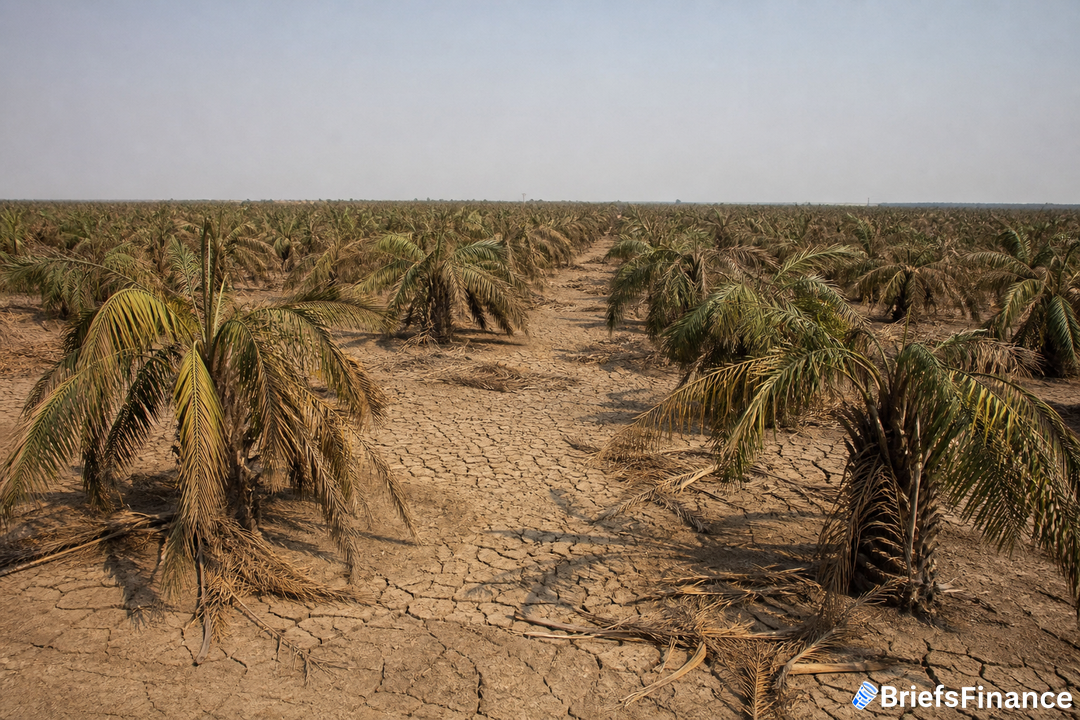
Analysts cite a potent mix: Indonesia's widening palm-based biodiesel mandate, older trees delivering smaller bunches, and persistent dryness tied to a strong El Niño. Hot and dry conditions in Indonesia are expected to linger beyond the usual April to September window, with yield effects showing up later. Fastmarkets Palm Oil Analytics senior analyst Sathia Varqa said, "The El Niño weather happening right now is widely predicted to have an impact on output in 2027, but the extent depends on its severity and the length."
Indonesia's weather agency says the rainy season that typically kicks off in October may not arrive until November or December, and it could be shorter than normal. Fires have already intensified in Kalimantan, a key palm region, with hotspot numbers hitting a decade high and disrupting fertilizer work, harvesting and logistics. "Kalimantan has been severely affected by haze," said Warren Tay, a trader at Eco Palm International Sdn. "We expect the region to account for the largest share of next year's production decline."
Weather and policy shifts remind investors that protecting and growing savings requires steady planning. Join Briefs Finance CEO Jaspreet Singh on September 29th for a FREE live investor workshop, How to Profit From A Dollar That's Losing its Value, where he shows how we're spotting investment opportunities as the dollar falls. Save your spot.
What could move prices next
Throw in Indonesia's biodiesel push and aging estates, and three analysts say benchmark prices could make a run toward 5,000 ringgit per ton next year, around $1,226. Even so, the near term may look more range bound. A note from Alvin Tai and Jason F. Miner of Bloomberg Intelligence's agriculture team stated, "Rising palm oil inventory levels, which could hit a record high in the next 1-3 months, are set to limit price upside this year."
The production hit might also be milder than first feared. The Indonesian Palm Oil Association now projects a 3% decline in 2027 output, versus an earlier 5% estimate.
Why it matters for your money
Short term, ample stocks and weak demand are leaning against a price spike. Looking into 2027, lower yields and policy-driven consumption could flip the script.
When supplies change, keeping a diversified approach helps preserve and expand your wealth. Our CEO Jaspreet Singh is hosting a FREE live investor workshop, How to Profit From A Dollar That's Losing its Value, on September 29th. Sign up free to join him live.