What changed and why now
Beef has turned into a political migraine, with sticker shock at the meat case feeding broader food inflation before the midterms. In August, to ease costs, Trump rolled out a 90-day stretch of reduced tariffs that would permit as much as 300,000 tons of ground beef to come in. The administration had been signaling for weeks it was searching for ways to tame costs and help ranchers. Government data on Friday showed US retail ground beef climbing to another record in August as a smaller US cattle herd keeps supplies tight.
Why Brazil is set to capture the gains
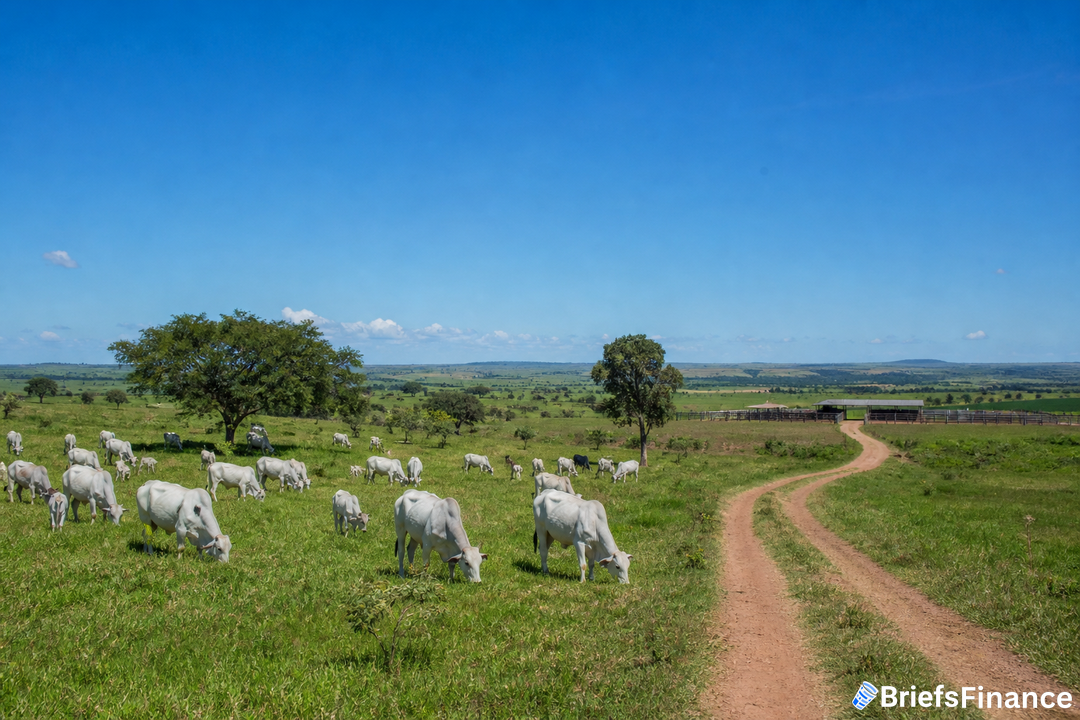
Most of that tariff room is likely to be filled by Brazil. In August, the US became Brazil's top beef buyer, with American purchases accounting for 16% of Brazil's shipments, according to Brazil's Ministry of Development, Industry, Trade and Services. While the lower-tariff allowance is open to multiple suppliers, analysts at XP Inc. estimate Brazil could deliver around two thirds of the total.
The country also provides lean trimmings that are scarce in the US right now, said Rabobank analyst Wagner Yanaguizawa. "This change will be helpful for Brazil - very helpful," said Fernando Iglesias of consultancy Safras & Mercado. And with China imposing quotas and the European Union tightening antimicrobial rules in livestock, Felipe Fabbri at Scot Consultoria said the move "comes at a very opportune time, helping ease the pressure on Brazilian exporters from declining sales to other major markets." Given those pressures and added US demand, Brazil's exporters see an opening, and the US's new role as Brazil's top customer looks likely to hold in the months ahead.
Global trade shifts remind investors to review how they protect and grow savings. Join Briefs Finance CEO Jaspreet Singh on September 29th for a FREE live investor workshop, How to Profit From A Dollar That's Losing its Value, where he shows how we're spotting investment opportunities as the dollar falls. Save your spot.
The industry backdrop and a quiet meeting
The price spike has revived antitrust scrutiny of a concentrated US meatpacking industry with deep Brazilian ties. From the White House, Trump recently blasted a "monopoly" among packers and spotlighted Brazil's role. The biggest US packers include Tyson Foods Inc. and Cargill Inc., alongside Brazilian-owned JBS NV and National Beef.
Behind the scenes, Trump met Brazilian billionaire Joesley Batista on Aug. 20, one day before announcing the tariff relief, said a person with direct knowledge of the meeting who asked not to be named. The Wall Street Journal first reported it. The White House offered no comment.
J&F SA, which serves as the Batistas' parent company, also declined to comment. The Batista brothers hold a stake in Pilgrim's Pride Corp., the entity that made the largest individual contribution to Trump's 2025 inaugural committee.
What it means for your wallet
More imported lean beef could take some heat off US ground beef prices if it lands quickly and in size. At the same time, the political focus on packer concentration, Brazil's growing role, and shifting trade rules adds uncertainty that can show up in the grocery bill. Keep an eye on what you pay at checkout and how food makers respond, not just the daily headlines.
Supply chain changes underscore the value of a steady plan for your money. Our CEO Jaspreet Singh is hosting a FREE live investor workshop, How to Profit From A Dollar That's Losing its Value, on September 29th. Sign up free to join him live.