What just happened
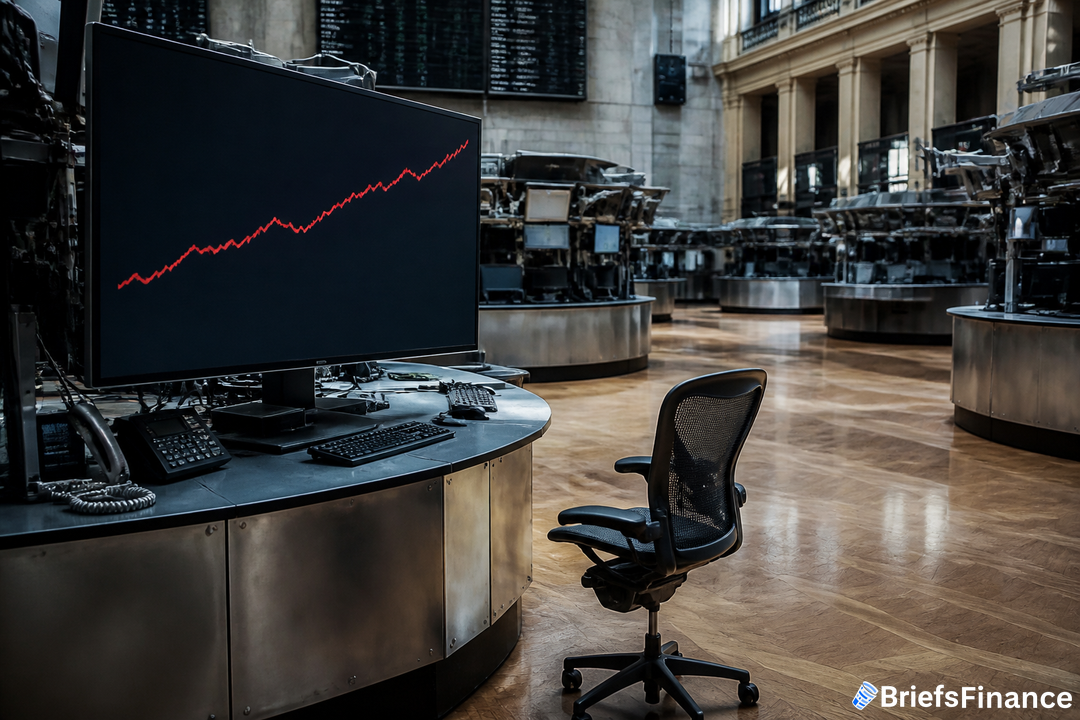
The latest bond slide pushed the 10-year yield to 4.97% by week's end, putting it within striking distance of 5%. That neighborhood was last visited in October 2023, when the 10-year briefly topped 5% in one session before buyers pulled it back, and it still has not ended a day above 5% since 2007. The move has sharpened nerves all the way to Washington because Treasury yields filter into everything from mortgages to business loans.
Shorter maturities are flashing stress too. Two-year yields notched their biggest one-day jump in a week defined by volatility since Trump's April 2025 tariffs shook markets, and early Monday in Asia the 2-year hovered near 4.62% while the 10-year was around 4.96%. Ian Lyngen, head of BMO Capital Markets' U.S. rates strategy, says the 10-year will break above 5% "in very short order."
Why yields are climbing
Multiple forces are squeezing the bond market at once. After President Donald Trump launched a war on Iran in late February, disruptions to Middle Eastern oil and gas flows helped send energy prices higher, threatening a fresh inflation shock and recently pushing oil to a four-month high. In parallel, the AI investment wave is adding new debt supply while juicing economic activity, and mounting anxiety over the federal government's swelling deficit is intensifying the pressure.
Politics have added fuel rather than relief. Earlier this month, Trump cautioned that, absent Fed rate cuts, he might halt all US trade with certain nations - a threat that would likely exacerbate the bond slide by fanning concerns about inflation. In response, Treasury Secretary Scott Bessent sought to counter the climb in yields by increasing buybacks of government debt; the debut effort disappointed, and yields rose afterward. The deficit picture also weighs: during the initial 11 months of the fiscal year, the gap widened to $2 trillion. And last week, Trump proposed outlays topping $1 trillion by sending $5,000 checks to every American adult, a plan he linked to Republicans retaining control of Congress if they prevail in the upcoming elections - an idea the White House's economic adviser labeled a "serious proposal."
The Fed's dilemma and what pros are watching
All of that sets a high-stakes scene for Federal Reserve Chairman Kevin Warsh heading into Wednesday's meeting. The market only found its footing Friday after data showed consumer prices rose more than expected last month, reinforcing the idea that officials may need to start lifting rates to confront inflation that has run above target for half a decade. Traders are now betting about a 90% chance the Fed will lift the overnight policy rate by a quarter point after this meeting.
The path to here has been bumpy. In June, Warsh underscored that getting inflation back to 2% is the priority. But after the Fed held rates steady again in July, traders dumped longer-dated Treasuries on doubts he would follow through.
When interest and economic news shifts, keeping a steady plan protects your savings. Join Briefs Finance CEO Jaspreet Singh on September 29th for a FREE live investor workshop, How to Profit From A Dollar That's Losing its Value, where he shows how we're spotting investment opportunities as the dollar falls. Save your spot.
A team at JPMorgan Chase & Co. led by Jay Barry sees a hike as the likeliest outcome this week, while leaning cautious on long-dated Treasuries given how investors might react to the statement and Warsh's press conference. Others warn that if the Fed surprises by not hiking, weakness at the long end could turn "much more disorderly," as Columbia Threadneedle's Ed Al-Hussainy put it.
Voices across markets are bracing for more pressure. "The Fed is behind the curve, definitely," said Tracy Chen of Brandywine Global Asset Management. She expects yields to keep trending higher and could see them surpass 5%, noting some drivers - like inflationary fallout from the Iran war - sit outside policymakers' reach.
PGIM Credit's chief global economist, Daleep Singh, said the stronger the Fed demonstrates its anti-inflation credibility, the more it can reduce the risk premium at the long end of the Treasury curve over time. And Bloomberg's Brendan Fagan points to an uncomfortable mix of above-target inflation, heavy deficit financing, and resilient nominal activity as reasons long rates "simply must go higher" if the Fed is effectively tolerating 3% inflation.
What it means for your money
Round numbers should not matter, but they do. A 5% 10-year is a psychological line that can nudge decisions across markets. Treasury yields anchor borrowing costs and serve as the discount rate for stock valuations, so higher yields tend to shrink the present value of future profits and make bond income more competitive with equities. That helps explain why stocks near records could wobble if yields keep rising. 5% psychologically has an impact."
With scant movement toward resolving the Middle East war and policy uncertainty still in the air before the mid-term elections in November, volatility may persist. If the Fed delivers as expected, it could calm the long end by reinforcing its inflation-fighting stance. If not, the next leg of the bond selloff could reopen quickly. For everyday investors, that cocktail - higher borrowing costs, persistent inflation readings, deficit and spending headlines, and a touchy Treasury market - raises the odds of bigger price swings across both bonds and stocks.
Thoughtful choices and ongoing learning help your money weather whatever comes next. Our CEO Jaspreet Singh is hosting a FREE live investor workshop, How to Profit From A Dollar That's Losing its Value, on September 29th. Sign up free to join him live.