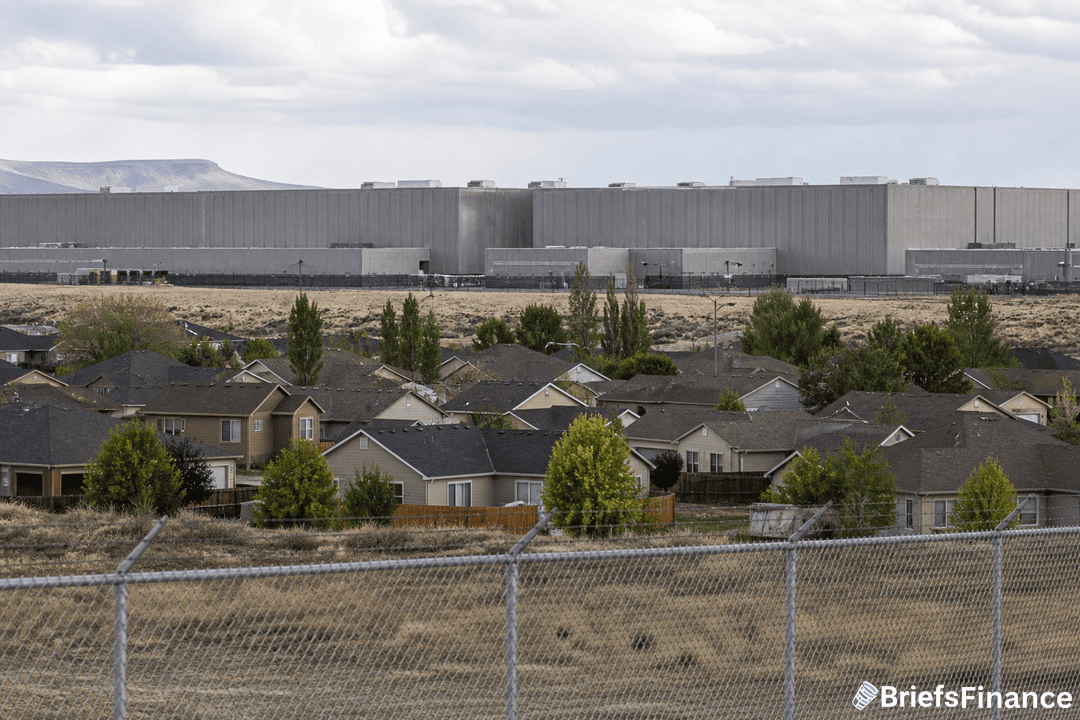
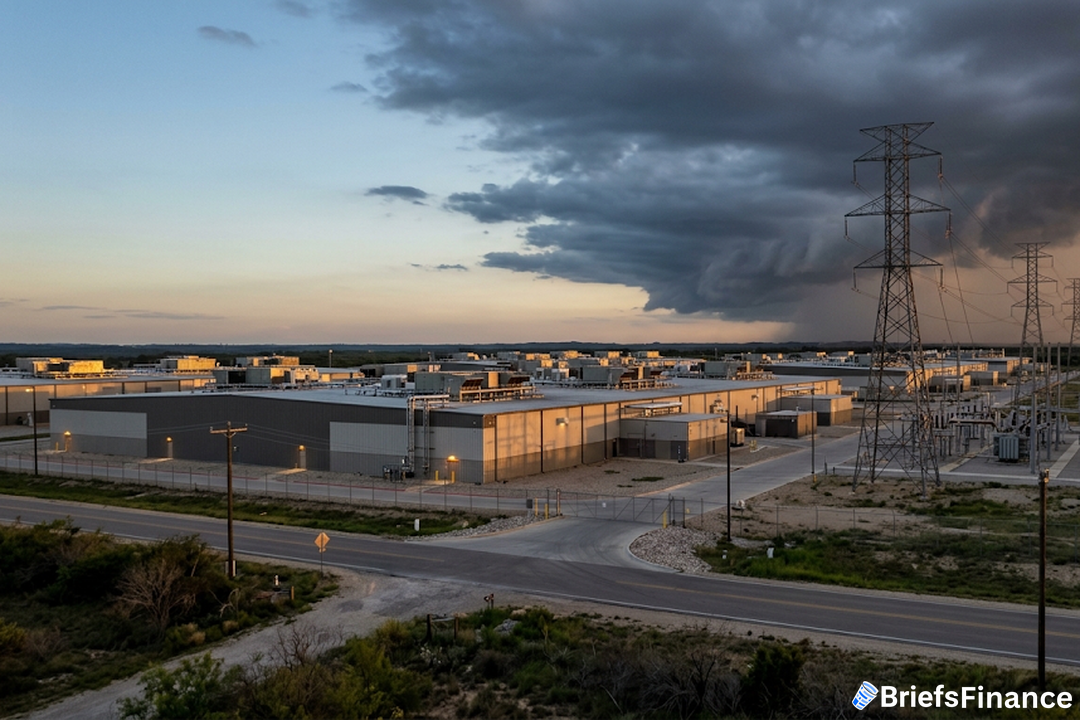
Public concern about AI and data centers took center stage
At the Goldman Sachs Communcacopia + Technology Conference, leaders from top tech and media firms zeroed in on AI rollouts and the growing local pushback to the data centers that power them - a mix of big opportunity and real risk for a lot of businesses. CoreWeave CEO Mike Intrator told CNBC's David Faber, "I don't think we have done a particularly good job of talking about the benefits of what the data centers allow the AI companies to be able to deliver to people, to governments, to decision making." His remarks aired Wednesday.
Intrator argued the anxiety is less about the buildings themselves and more about the breakneck speed of change. "It is really about: Hey, you know the world is changing, and it's changing very quickly, and that's going to have impacts on myself. It's going to have impacts on my children, and what is that going to look like? And that is frightening," he said.
A high-profile AI researcher resigned and issued a stark warning
As the conference kicked off, a separate AI storyline drew fresh attention. Jacob Coxon left his role at Anthropic on Tuesday, saying the fast-advancing technology "could kill us all by the end of the decade." Coxon, who has worked at both Anthropic and OpenAI, accused the companies of "gambling with our lives" in a race toward AI systems with superhuman capabilities.
In his post on X announcing the move, he wrote: "Do not underestimate the power of this technology. These will soon be superhuman systems that can hack anything, revolutionize any field overnight, and acquire real power and resources. We have all witnessed the progress in each of these domains, and progress is not slowing."
Cable industry disruption and broadband competition
Another theme Wednesday: the squeeze on cable broadband. Comcast and Charter Communications have been reporting quarterly losses of broadband subscribers in recent years as fixed wireless, including 5G offerings, has taken share.
Comcast CFO Jason Armstrong said the pressure from fixed wireless is still very much present. He also flagged satellite as a possible next competitive threat, citing Starlink as an example, while noting it is not necessarily showing up in a big way yet. "There's no complacency around it," he said, adding he expects satellite to matter over time, especially in rural and deeper suburban areas.
Responsible investors focus on steady plans that protect and grow savings over time. Join Briefs Finance CEO Jaspreet Singh on September 29th for a FREE live investor workshop, How to Profit From A Dollar That's Losing its Value, where he shows how we're spotting investment opportunities as the dollar falls. Save your spot.
Echoing what Comcast noted on its second quarter earnings call, Armstrong said the company is seeing "irrational competition" on fiber broadband pricing, a pattern that is carrying into the third quarter. In results through June 30, Comcast said it again shed broadband customers, and revenue in that segment declined as lower-priced plans and promotions took hold.
Charter CEO Chris Winfrey told CNBC's David Faber that near term, competition is weighing on the cable broadband business, but he is optimistic about longer term improvement. Shares of both Comcast and Charter were off more than 5% by midday. The companies have adjusted pricing and leaned into expanding mobile lines to retain, and potentially add, broadband users.
What this means for your money
Two threads to watch from here: how public sentiment shapes the rollout of AI infrastructure, and how alternative internet options keep chipping away at cable subscribers and pricing power. If you hold tech or telecom names, these are the pressure points likely to show up in subscriber trends, pricing, and the tone on future earnings calls.
Thoughtful strategies help your money weather change while seeking long term progress. Our CEO Jaspreet Singh is hosting a FREE live investor workshop, How to Profit From A Dollar That's Losing its Value, on September 29th. Sign up free to join him live.