What happened overnight
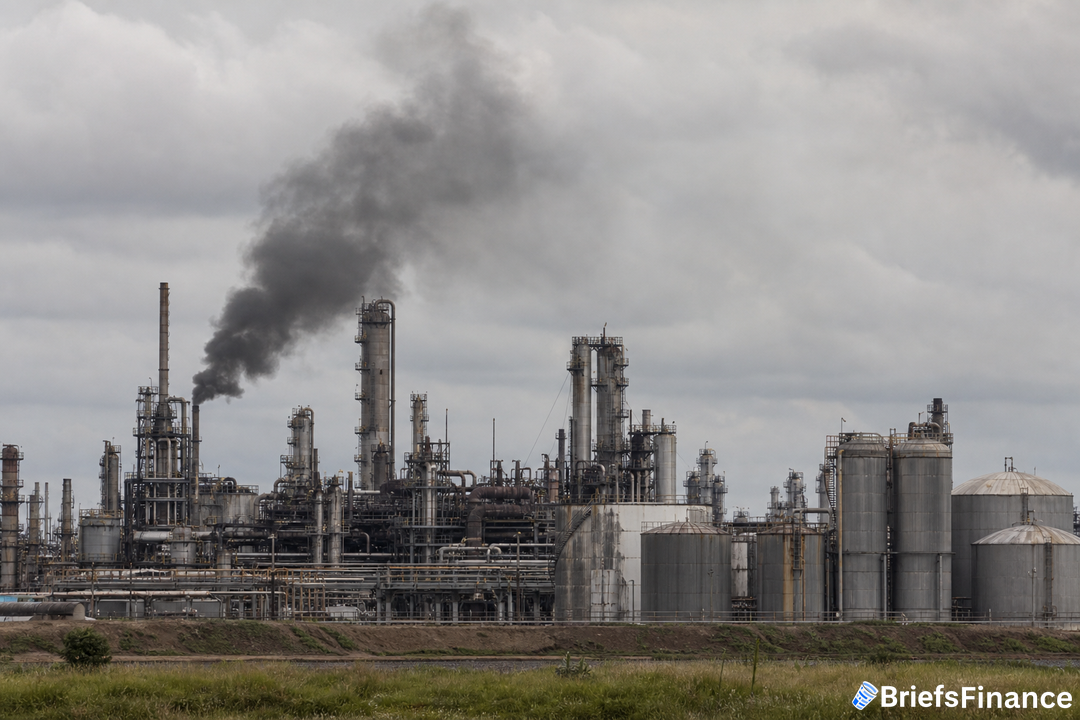
Ukraine restarted its campaign against Russian oil infrastructure, with President Volodymyr Zelenskyy posting that "Our long-range forces have been used against oil refineries in the Perm region and Tatarstan," and offering no further detail. After a four-day pause, a Sunday strike hit the major Ryazan refinery, setting the stage for this renewed wave.
Regional officials described a busy night in the skies. Perm governor Dmitry Makhonin said 27 drones were brought down over the region and that one residential building sustained damage. Russia's Defense Ministry separately reported drone interceptions over Tatarstan.
Where the strikes landed and why these sites matter
Perm hosts a Lukoil PJSC refinery capable of processing 260,000 barrels a day, sitting roughly 930 miles (about 1,500 kilometers) east of Moscow. Tatarstan is home to a significant refining and petrochemical hub, including Tatneft PJSC's 300,000-barrel-a-day Taneco complex and the 145,000-barrel-a-day independent TAIF-NK plant. The companies did not provide comment when approached by Bloomberg.
Ukraine's broader objective has been to sap Moscow's ability to fund and sustain its invasion by repeatedly hitting refinery capacity. As output of road fuels fell, the government responded by temporarily barring most gasoline and diesel exports.
On Sunday, Lukoil's main shareholder, billionaire Vagit Alekperov, said the company generally needs between 2 and 3 weeks to get refineries back up after drone damage.
Understanding what moved a market beats knowing that it moved. Get the free Market Briefs daily newsletter and follow the drivers.
The ripple effects in energy markets
Russia's export limits are colliding with a diesel market already pressured by the conflict across the Middle East. U.S. diesel prices at the retail level reached a record last week. According to Treasury Secretary Scott Bessent, Ukrainian drone strikes on Russian energy infrastructure were among the forces lifting global energy prices. Another major driver is America's war on Iran, which is obstructing shipments of petroleum via the Strait of Hormuz.
Russia says the current curb on diesel exports for producers will stay in place through September. Deputy Prime Minister Alexander Novak added that the diesel ban will be lifted once domestic stockpiles are rebuilt.
The wider battlefield picture
Since late August, Russia has stepped up its own air attacks on Ukraine, leaning on jet-powered drones that are tougher to intercept. That shift has compounded Kyiv's challenges by raising the risk to civilians and disrupting public services. The latest refinery strikes followed a meeting in Moscow where US envoys Jared Kushner and Steve Witkoff saw President Vladimir Putin before traveling on to Kyiv.
For your wallet, the through-line is simple: refinery disruptions and export limits tend to keep diesel and related energy costs elevated. If you're paying for shipping, driving a lot, or buying goods that depend on diesel to move, the knock-on effects can show up in day-to-day prices.