What Deutsche Bank is doing
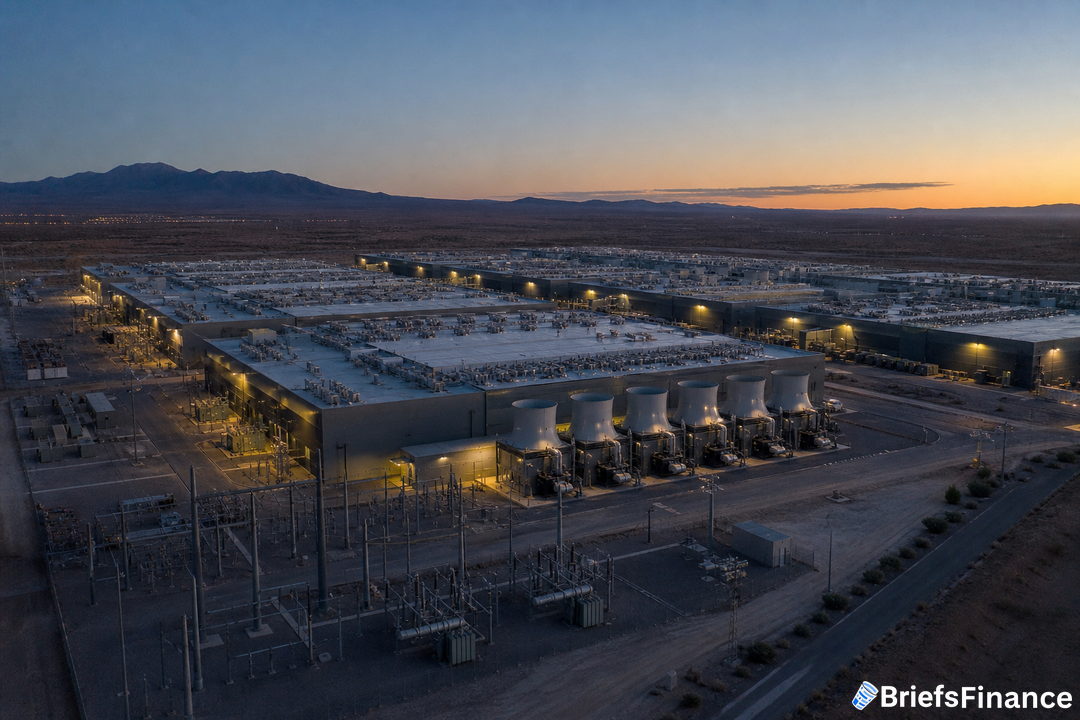
Deutsche Bank is assembling a significant risk transfer backed by roughly €2 billion, or $2.3 billion, in project finance debt, and the pool includes data center lending, said people familiar with the discussions. It would be the lender's first SRT backed by a project finance portfolio. Because the deal is private, the people said details could shift after talks with prospective investors, and they asked not to be named. A representative for the bank declined to comment.
Why data centers sit at the center of this
PricewaterhouseCoopers estimates data center investment will reach $31.6 trillion through 2050 to feed AI's soaring compute needs. Big tech names like Microsoft and Amazon are rolling out new sites, and smaller operators are adding capacity too, even as community and environmental pushback grows.
The SRT boom and who else is in
Banks are leaning into SRTs because investors will accept part of a loan book's default risk for the chance at double digit returns. Offloading that slice helps lenders cut risk weighted assets, which can open room for shareholder distributions or more lending. Crescent Capital Group thinks SRT issuance will hit a record $45 billion this year.
Deutsche Bank is also preparing a second SRT this year through its Craft program, which is used to manage credit exposure on large corporate loans. Separately, the bank has discussed a first transaction from a new platform called Start to transfer risk on a pool of loans to small and mid sized German companies. Chief Financial Officer Raja Akram told analysts in July that new SRT platforms are meant to create more avenues to secure regulatory capital relief. At the end of the second quarter, he said SRTs had reduced balance sheet intensity by an amount matching 75 to 80 basis points on the bank's core equity tier 1 ratio.
Understanding what moved a market beats knowing that it moved. Get the free Market Briefs daily newsletter and follow the drivers.
Why this matters for your money
As more banks use SRTs to share credit risk, they can recycle capital faster into fast growing pockets like data centers and other AI infrastructure. If capital keeps flowing, you could see more financing available for the companies building the pipes of AI and, by extension, the suppliers and utilities around them. If it tightens, borrowing costs and project timelines can change. Watching how widely SRTs spread, and where, is a useful tell for how easily growth sectors will be funded next.